By Alex McPherson

Savage, heartfelt, and memorable, director Nia DaCosta’s “28 Years Later: The Bone Temple” carves its own gory yet defiantly hopeful path through the apocalypse.

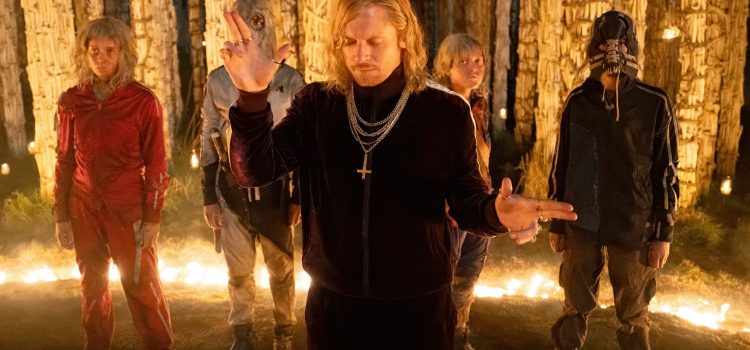
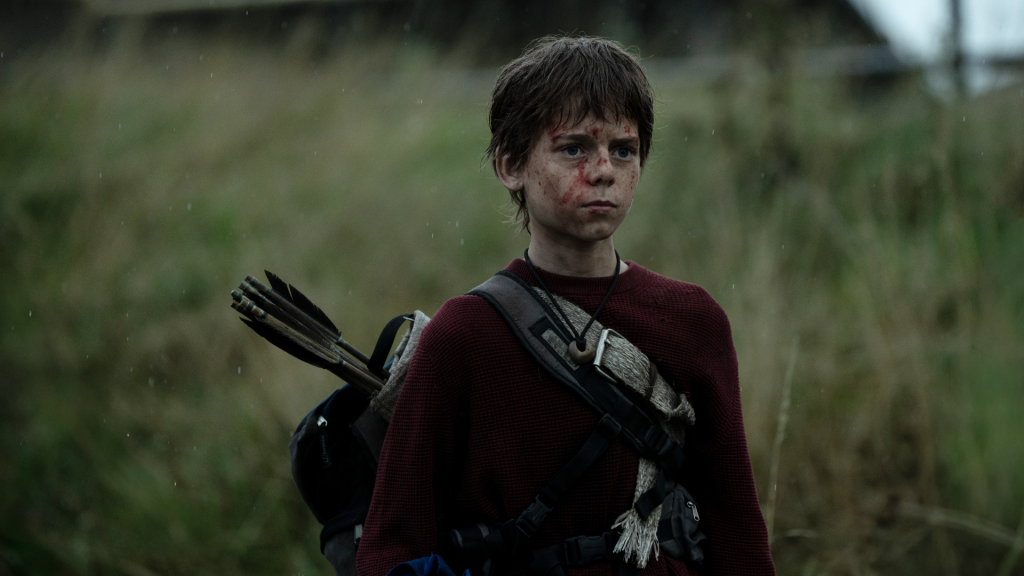
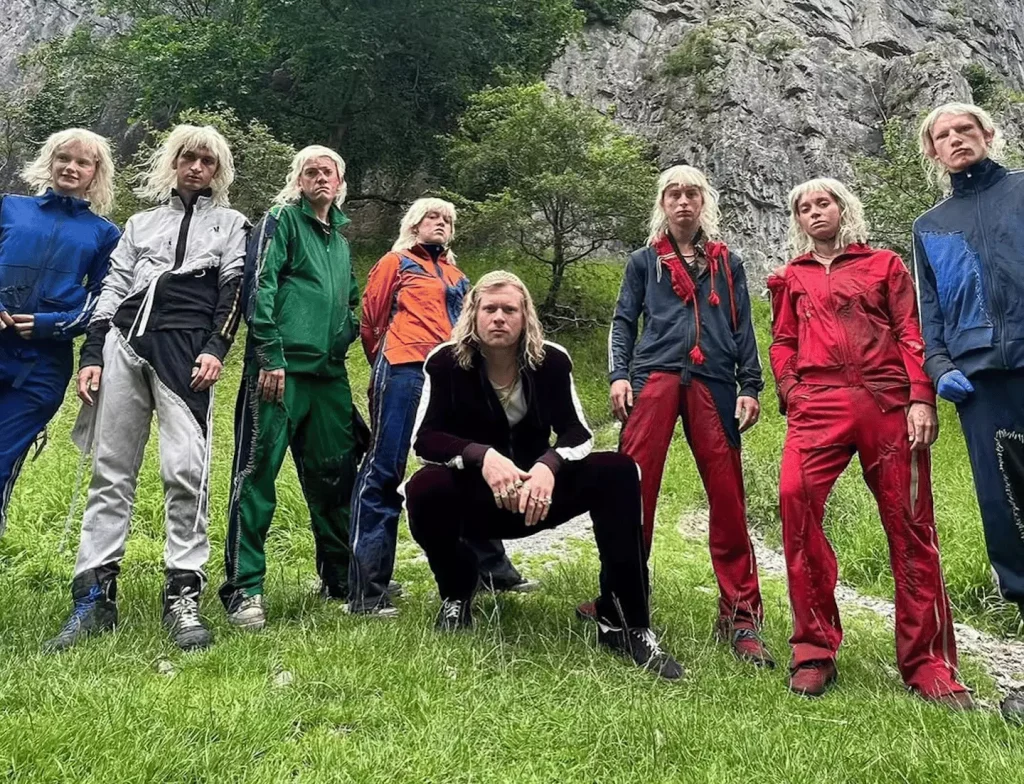
Taking place shortly after the events of Danny Boyle’s “28 Years Later,” DaCosta’s “The Bone Temple” follows young Spike (Alfie Williams) shortly after being saved from the zombielike Infected by the tracksuit-wearing and Satan-loving Sir Jimmy Crystal (Jack O’Connell) and his gang of seven “Fingers,” who are all forced to call themselves Jimmy.

Spike might have come-of-age amid the apocalypse, but instead of thriving on his own, he’s stuck in a barbaric cult of suspended development. He is forced to take part in a murderous initiation ritual and accompany the Jimmies as they cause death and destruction throughout the mainland, somewhat akin to the Droogs in “A Clockwork Orange.” Sir Jimmy is profoundly screwed up (to put it mildly), and asserts that he is Satan’s son.

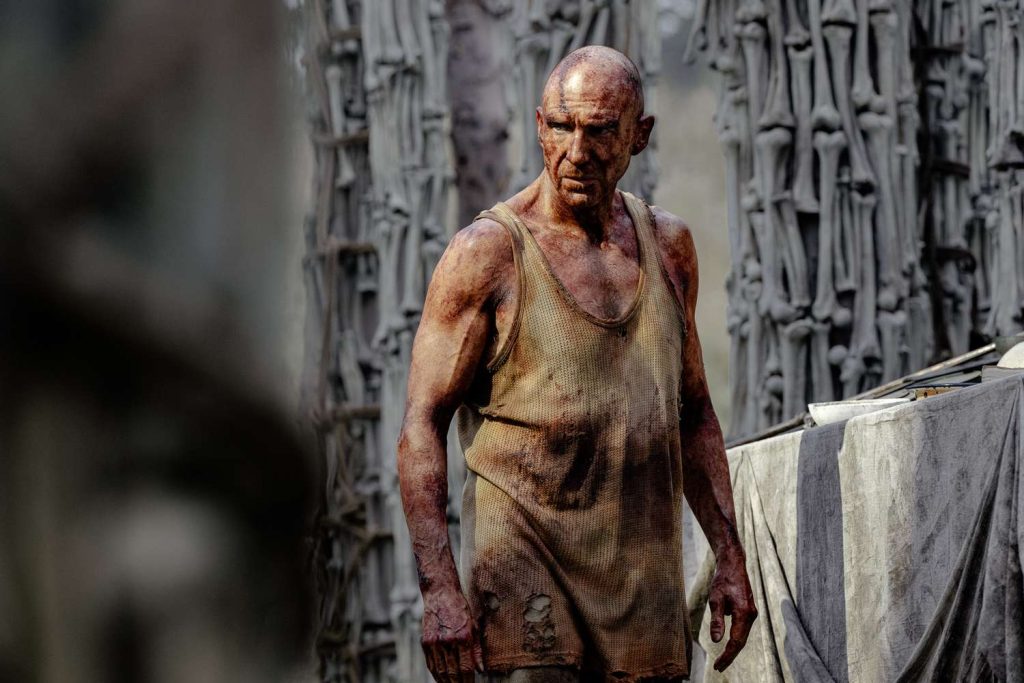
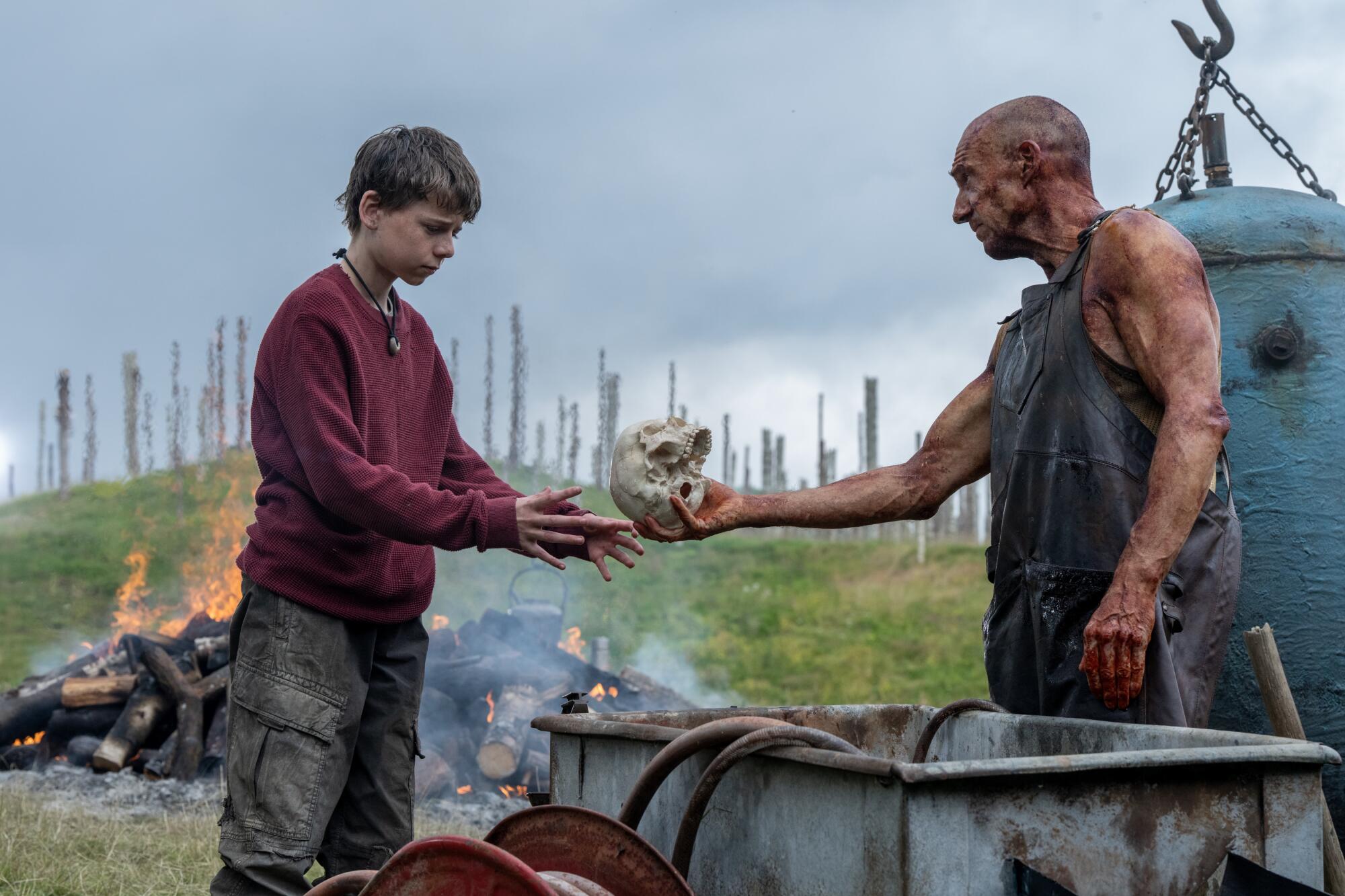
Meanwhile, the benevolent Dr. Kelson (Ralph Fiennes), who constructed the titular Bone Temple as a memorial to those lost to the virus, is maintaining some semblance of peace. Strict in his routines and rituals, there’s a sense of heaviness to how he moves through the world, with the weight of history and his own grief bubbling to the surface.
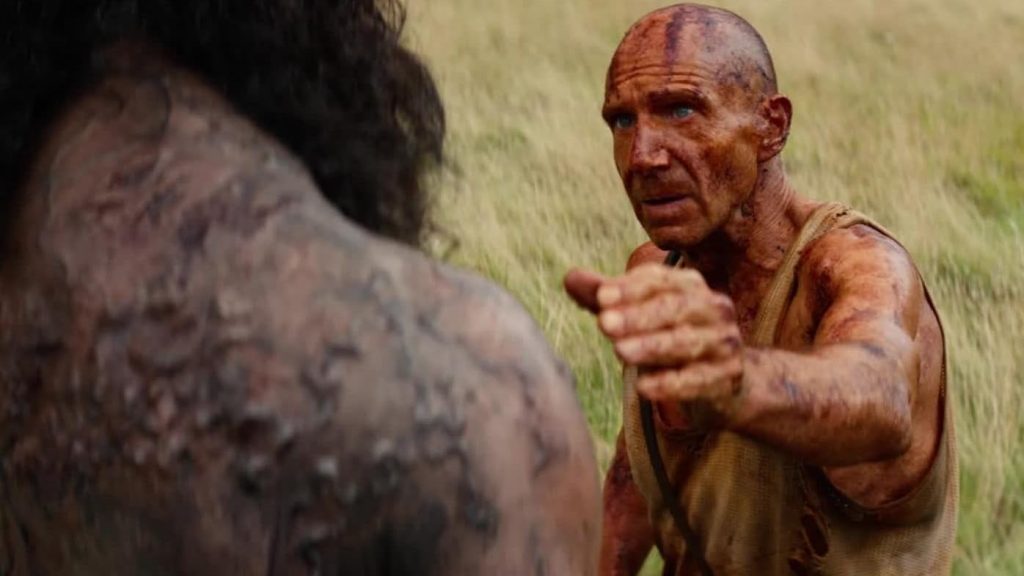
Dr. Kelson maintains a strange connection with an “Alpha” Infected he named Samson (Chi Lewis-Parry), who might retain some humanity, and possibly a key to altering the future as they know it. 

Of course, it’s only a matter of time before Sir Jimmy and Dr. Kelson encounter each other. It’s ultimately a battle between hope and cynicism, fatalism and personal agency. Dr. Kelson and Spike grapple with their identities amid fascist forces and the continuing Infected threat.

Indeed, “The Bone Temple” has much on its mind despite being a clear middle chapter in this revamped franchise. DaCosta, a highly versatile filmmaker, doesn’t try to recreate Boyle’s brilliantly kinetic style or experimental pizazz. She nevertheless brings both an unflinching brutality and surprising sentimentality to the forefront, striking a mostly successful tonal balance that thrills, disgusts, and rocks its way into the soul.

DaCosta’s film isn’t a “full meal” like “28 Years Later,” but on its own, less ambitious merits, it succeeds, and brings along a resonant message for staying true to your values while the world crumbles.
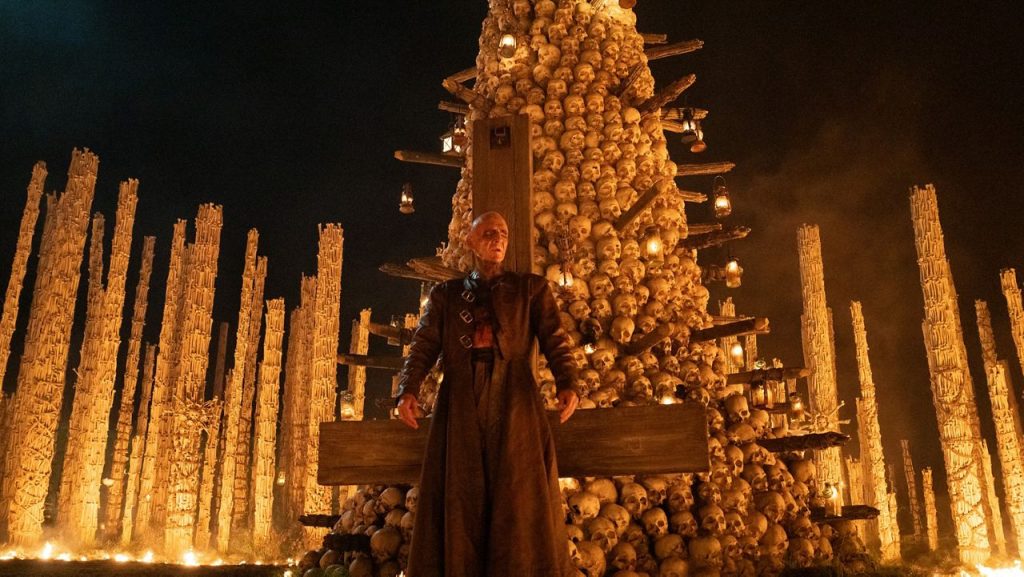
“The Bone Temple” explores familiar genre ideas, zeroing in on how, yes, humans can be even more monstrous than the Infected, and some aspects of DaCosta’s film feel rushed just for the sake of bridging to the next chapter of Spike’s arc. DaCosta and returning screenwriter Alex Garland make Spike a less central character this time around, assembling pieces for the next installment. Instead, DaCosta focuses on the Jimmies, while spending considerable time with Dr. Kelson, who essentially becomes the de facto protagonist.

Jumping back and forth between these two groups definitely causes whiplash from time to time; this film also lacks much of the kinetic momentum and messy energy of its predecessor (Anthony Dod Mantle’s cinematography and Young Fathers’ music are missed).

It’s jarring to go from squirm-inducing horror one moment to kooky-yet-earnest meditations of life and periodic dance sessions. Still, DaCosta’s grounded, unflinching approach to violence hammers home the stakes (sometimes literally), setting the stage for eventual reckoning.

“The Bone Temple” also preserves much of the weirdness that pervades this franchise (in a good way), and it isn’t afraid to veer in unexpected directions regardless of familiar setups. 
Fiennes in particular understands the assignment. Dr. Kelson is a weathered soul doing what he can to survive and honor the dead, quietly fighting back against the fear and cynicism bubbling within his own thoughts. At the same time Samson (brought to life with bittersweet pathos by the intimidating but vulnerable Chi Lewis-Parry) represents a thread that Dr. Kelson can latch onto, possibly the dawn of a new age and another reminder to not give up on the future entirely.

Fiennes is alternately hilarious and heartbreaking here, expanding  his unexpectedly profound role in “28 Years Later” in emotionally resonant ways that give him opportunities to let his freak flag fly, especially during a finale that I won’t dare spoil. 

O’Connell — coming off his villainous portrayal in Ryan Coogler’s “Sinners” — is absolutely frightening as Sir Jimmy (a character apparently modeled after Jimmy Savile, the late British DJ who was fond of wearing track suits), a man haunted by his past with a desire for control and utter disregard for human life. Like most of “The Bone Temple,” Sir Jimmy is both cutthroat and oddly funny at times, with O’Connell walking that tightrope far more elegantly than the film overall.

“The Bone Temple” isn’t up to par with “28 Years Later,” but when the two opposing forces finally come together, DaCosta synthesizes the film’s disparate tones to present a set piece that ranks among the best in the franchise. She and Garland emphasize that it’s noble to fight back against evil and not capitulate, even when all seems lost. It also ends in a place that makes the wait for Part 3 almost unbearable.
“28 Years Later: The Bone Temple” is a 2026 horror film that is directed by Nia DaCosta and stars Ralph Fiennes, Jack O’Connell, Alfie Williams and Chi Lewis-Parry. It is rated R for strong bloody violence, gore, graphic nudity, language throughout, and brief drug use, and runs 1 hour, 49 minutes. It opened in theatres Jan. 16. Alex’s grade: B+,

By Alex McPherson

Kinetic, daring, and pulsing with soulful energy, director Danny Boyle’s magnificent “28 Years Later” is a post-apocalyptic coming-of-age story staggering in its narrative and stylistic craftsmanship.

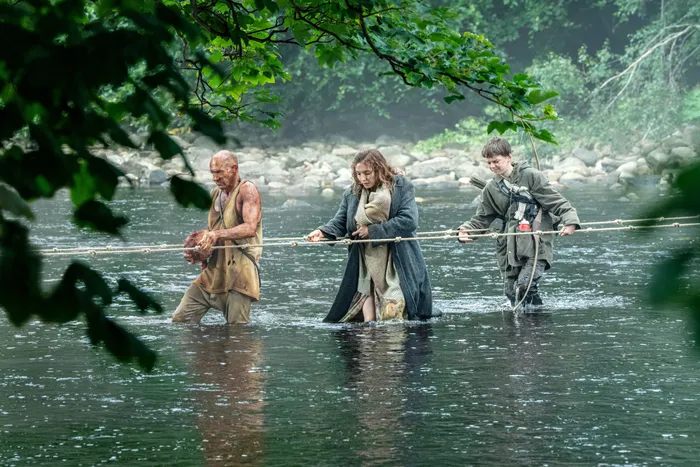
The action takes place 28 years after the second outbreak of the Rage Virus — a disease that spreads in mere seconds through bodily fluids and turns people into rabid, blood-spewing monsters. We follow Spike (Alfie Williams), a 12-year-old boy living in an uninfected colony on Holy Island off the northeast coast of England.

The Virus has been pushed back from Continental Europe, leaving the people within the quarantined British Isles to fend for themselves. Surrounded by naval patrols, they can only reach the Virus-stricken mainland by crossing a heavily-fortified tidal causeway. The colony itself, maintained with a strict set of rules, roles, and a belief system that prioritizes “killing the Infected,” lacks doctors and modern amenities. It’s  regressive in its culture and seemingly caught in a state of limbo as the inhabitants wait out the apocalypse. 

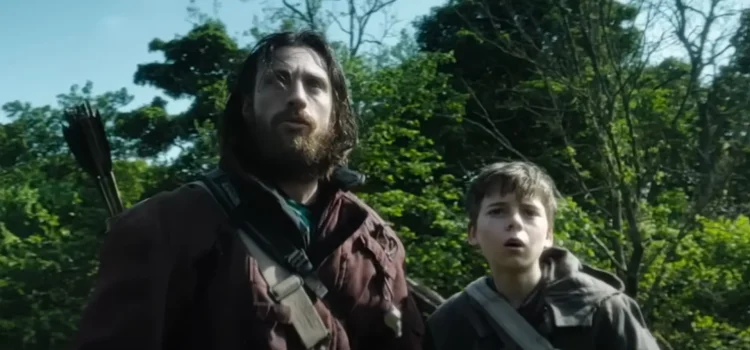
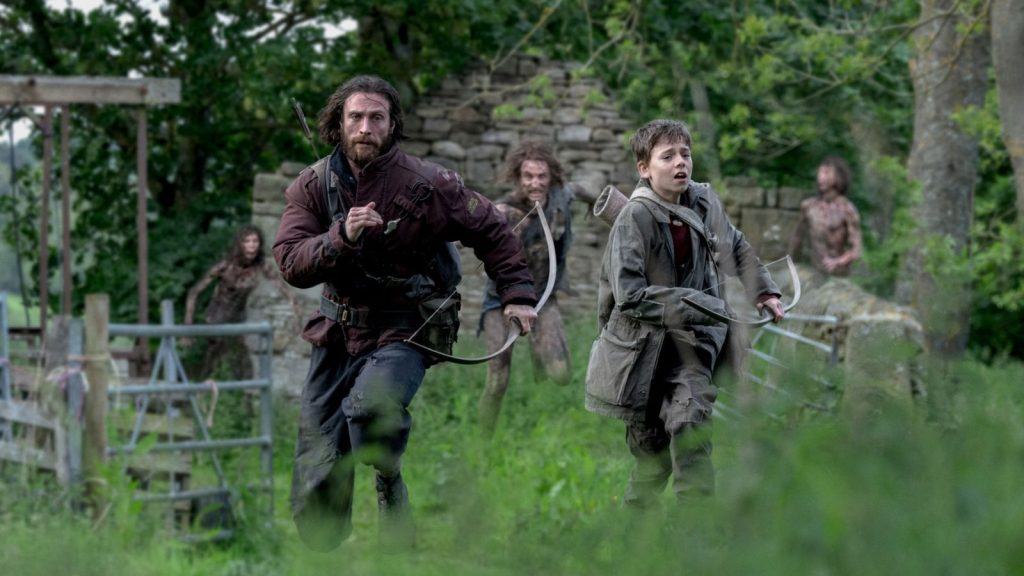
Going on a “hunting” expedition on the mainland is seen as a rite of passage for the youth of Holy Island, and now it’s Spike’s turn. His father, Jamie (Aaron Taylor-Johnson), a skilled hunter and hard-partier, plans to accompany him on the trip and wants Spike to follow in his footsteps; Spike isn’t sure if he wants to go down the same path. Jamie is desensitized to the world’s violence, taking a matter-of-fact approach to killing the Infected and serving his role in the community.

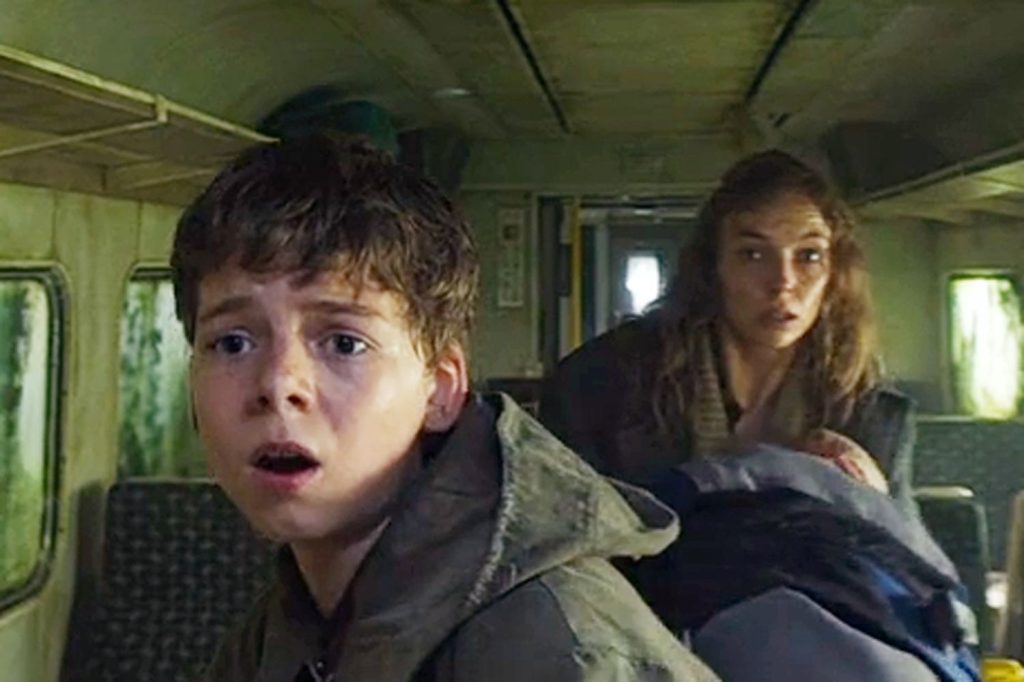
Alex Williams and Jodie Comer.

Spike’s tender-hearted mother, Isla (Jodie Comer), is bed-ridden, suffering from a mysterious illness that causes frequent bouts of disorientation and confusion, and the village has no means of diagnosing or curing her. Jamie ultimately sees Isla as a burden, so Spike takes on the role of looking after her and tries everything in his power to help her recover. Isla, alienated from her people physically and morally, is strongly against Spike going to the mainland, but there’s no real choice. It’s the expectation, so it has to be done.

Once Spike and Jamie cross the causeway, the village prepares for Spike’s Welcome Back party. All does not go exactly to plan, though. Spike and Jamie have a few hairy run-ins with the Infected, including rotund worm-eaters and an imposing, very naked “Alpha” that has increased brains and brawn.

Spike also sees a fire in the distance — signaling the whereabouts of the “crazy” Dr. Kelson (Ralph Fiennes), who Jamie almost refuses to acknowledge and seems frightened of. But Kelson might have the cure for Isla’s illness. In fact, he might be her only hope of survival.

It’s clear from the outset that Boyle, reteaming with “28 Days Later” writer Alex Garland, isn’t out to make a standard “zombie” film here. He’s more interested in upending conventions, daring viewers to get on its deranged and oddly sentimental wavelength. Boyle’s film is unabashedly singular in the bold swings it takes with nearly every element of its construction. 

Aaron Taylor-Johnson and Alfie Williams

“28 Years Later” wraps its blood-soaked yarn in social commentary on hate versus love, tradition vs. independence, isolation, and coming to terms with reality, while doing one’s part to honor the lives and memory of those we hold dear. It also encourages the act of looking beyond the stories we’re told to make our own futures. All the while “28 Years Later” remains a gory (at times shockingly so) post-apocalyptic horror film with a healthy dash of dry, British humor sprinkled throughout.

There’s a lot to chew on here, and Boyle/Garland keep the film moving at a breathless clip. On a purely visceral level, “28 Years Later” is punishing in the best way. Boyle’s signature punk rock direction maintains a propulsive momentum, and Anthony Dod Mantle’s cinematography — largely filmed with iPhones, sometimes making use of a 20-camera rig that’s perfect for pseudo-bullet-time Infected kill-cams — heightens moment-to-moment intensity through its gritty, rough-hewn quality.

It establishes an off-kilter atmosphere that underlines just how twisted the world has become, capturing the vast claustrophobia of the mainland with a sense of hard-fought promise and restless uneasiness that can turn to chaos at any moment. 

The masterful score by Young Fathers initially seems anachronistic, yet perfectly complements the film’s messy but deeply poignant core — a particular highlight during the terrifying opening sequence, which juxtaposes the Teletubbies with a rural community being torn apart and reborn by the Infected.

Ralph Fiennes as Dr. Kelson

The film’s style is eclectic and jittery, yet intentional every step of the way, as Boyle weaves in subtle and, well, not-so-subtle symbolism to establish this world of regressive norms, disease, and callous cruelty. It all effectively connects with Spike’s rushed transition into adulthood, and the frantic yet courageous steps Spike takes to become his own person.

Indeed, there’s plenty of harrowing escapes and bloody carnage in “28 Years Later”, but like “28 Days Later” before it, and unlike the Juan Carlos Fresnadillo-directed “28 Weeks Later,” Boyle and Garland remain focused on character above all else. Moments of levity and warmth are unearthed amid the desolation.

The film, at times, resembles a tug-of-war between these disparate tones, as Isla (vividly portrayed by Comer) reveals humane, even sensitive sides of Spike and the world they inhabit. 

By the time Kelson shows up — one of Fiennes’ greatest performances — Boyle and Garland prime us to embrace the unexpected, finding slivers of humanity amid his temples of skulls. Boyle and Garland encourage us to get on the film’s level; whether we can go along with the last act’s emotional trajectory is as much a test for us as it is for Spike. Luckily, with the exceptional performances across the board — especially newcomer Williams — it’s easy to become swept up in the film’s rush of emotion.

Spike and Dr. Kelson

At the end of the day this is a story of a boy and his family — Spike’s disillusionment with the traditions passed down to him, and his gradual realizations of the need to confront his fears, including the inevitable pull of Fate and the importance of love amid an environment pervaded by hatred of the Other.

Not all of the film’s big swings will land for everyone, notably its unhinged final moments that set up future sequels. But “28 Years Later” is still an unforgettable viewing experience. Boyle and Garland prove, once again, that they can find thrilling new avenues into genres we think we know inside out — crafting one of the strongest, most exhilaratingly unusual films of 2025 thus far.

“28 Years Later” is a 2025 horror movie directed by Danny Boyle and starring Aaron Taylor-Johnson, Jodie Comer, Alfie Williams, Ralph Fiennes and Jack O’Connell. The run time is 1 hour, 55 minutes and Rated R for strong bloody violence, grisly images, graphic nudity, language and brief sexuality. The movie opened in theatres June 13. Alex’s Grade: A+