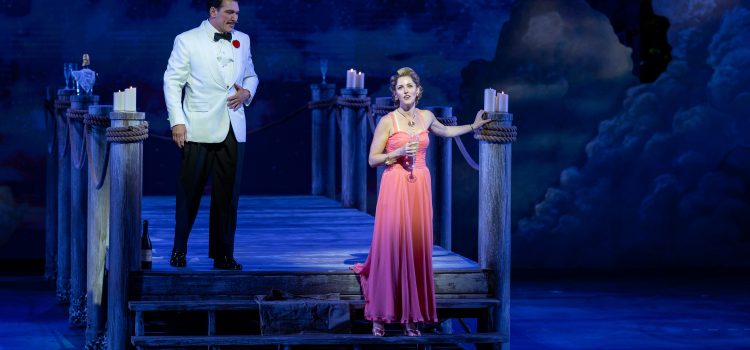
Dateline: Sept. 1
By Lynn Venhaus, Alex McPherson, C.B. Adams and Carl “The Intern” Middleman

Are we ready to cross into the spooky season? And no, I don’t mean the pumpkin-spice aisle at the grocery store. (And besides, aren’t you stockpiling Halloween candy like sensible adults?). In the pop culture universe, we’re buzzing about film festivals, new television season, live theatre coming our way, and outdoor fall activities.

Here’s Round 3 of our new endeavor — our curated weekly round-up guaranteed fresh every Monday on our website and in your inbox. (Or in case of holidays, Tuesday. We hope you not only enjoy but spread the word – we’d like to reach as many fellow Popsters as we can.

This newsletter features links to our recent online works, in other publications, and heads’ up tips on what’s ahead, is meant to serve as a guide for you navigating an extensive ‘what to watch, go, see, do” that the universe is beckoning us to check out.

Now Showing:
Our timely film reviews so you can decide what’s worth your time and money.

Caught Stealing: Austin Butler’s star charisma enlivens a scruffy, grungy, brutal chase through late 90s New York. Mayhem ensues in a bloody treasure hunt.

Zoomer and Boomer Takes:

Alex review: https://poplifestl.com/darren-aronofsky-takes-a-detour-in-hyperviolent-crime-thriller-caught-stealing/
Lynn review: https://poplifestl.com/austin-butler-drives-dark-comedy-action-thriller-caught-stealing/

Hamilton: To celebrate its 10th anniversary on Broadway, the filmed version of the musical, which premiered on Disney + during the pandemic on July 1, 2020, will be available in local theatres, and will feature a cast reunion special feature.

I consider :“Hamilton,” which I’ve now seen three times, to be the greatest live theatrical experience of my lifetime. Here is my review of the 2020 movie: https://poplifestl.com/hamilton-the-movie-meets-the-moment/

“This view has new opportunities for discovery, to marvel at Miranda’s attention to detail and his nimble storytelling. The recurring themes and repetitive nature of the score add texture to the rhythms and harmonies, and the cast’s enunciation and verbal dexterity is remarkable.” – Lynn

New to Streaming:

“The Thursday Murder Club” — charming -2-hour comedy-mystery with an all-star British cast on Netflix, including Helen Mirren, Pierce Brosnan, Ben Kingsley, Celia Imrie, Jonathan Pryce, David Tennant, Naomi Ackie and Think “Knives Out” meets “The Best Exotic Marigold Hotel.”

Here’s Lynn’s review on KTRS Aug. 29: (My segment starts at 34:30 and ends at 49:30)

The mystery may be by the book,  but the team in the retirement home solving cases is a delight to watch — Helen Mirren, Pierce Brosnan, Ben Kingsley and Celia Imrie (you know her from The Best Exotic Marigold Hotel movies and Bridget Jones).

The great Jonathan Pryce plays Helen Mirren’s husband who has dementia and Naomi Ackie plays a local police officer who is investigating a real murder.

I had fun watching them all play together on the playground (in this case, a grand old senior living center).

Also on streaming beginning Sept. 5 on Apple TV+:– “Highest 2 Lowest,” the latest collaboration between Spike Lee and Denzel Washington, filmed energetically in the streets of New York. Here’s Lynn’s review in the Webster-Kirkwood TImes.
https://www.timesnewspapers.com/webster-kirkwoodtimes/arts_and_entertainment/reel_world/highest-2-lowest/article_44478a18-0e77-4ec4-b13d-92c76833c4b5.html

On Stage:Sublime voices, staging so-so. CB Adams review of Union Avenue Opera’s “Salome.” https://poplifestl.com/union-avenue-operas-salome-delivers-power-and-uneven-spectacle/

PopLifeSTL Presents Podcast: Chas Adams joined Lynn this week as Carl the Intern Middleman is on an epic hero’s journey on the Mother Road with his family, and we had a swell time talking with promoter Greg Hagglund of Steve Litman Productions about a Napoleon Dynamite Bash at the District in Chesterfield on Sept. 3.The Napoleon Dynamite Bash is a teaser in preparation for showing the movie on Oct. 9 at The Factory, with cast members Jon Heder (title character), Jon Gries (Uncle Rico) and Efren Ramirez (Pedro) in attendance for a Q&A.

We also enjoyed talking with Eric Dundon from the St. Louis Symphony Orchestra and talk about an epic journey! Their upcoming events this month — unveiling Powell Hall’s additions, the free community concert in Forest Park Sept. 17, and release of their new album with composer in residence Kevin Puts. They have many things going on!

Here’s our jam-packed podcast! https://soundcloud.com/lynn-zipfel-venhaus/august-31st-2025-with-greg-hagglund-slsos-eric-dundon?si=beac0cb47d034e3b9f66ec74673b0eee&utm_source=clipboard&utm_medium=text&utm_campaign=social_sharin

Our Playlist:
We recommend —
Chas: My playlist has been a continuous shuffle of my 200+ song playlist called The Road — tunes with traveling, driving and getting away as the theme or vibe.

Alex: The soundtrack/score for “Inglourious Basterds.”

Carl: Part 2 of the “WKRP in Cincinnati” double feature – this time with Venus Flytrap  https://www.awphooey.com/venus

Lynn: After certifiable musical genius Jon Batiste rocked the Muny Thursday, exuding goodness and light, I’ve been listening to different cuts from several albums. I love the vast scope of his music, but I’ll share his Grammy-nominated song “Butterfly” from his 2024 “World Music” album, live from “Late Show with Stephen Colbert”: https://youtu.be/CR115pxSjWM?si=czO2tsGn51myAWjg

And if you haven’t seen the heart-tugging documentary about Jon and his wife, writer Suleika Jaouad, “American Symphony,” it’s streaming on Netflix. Here is my review: https://poplifestl.com/american-symphony-triumphs-as-tender-look-at-art-life-and-love/

Good Eats and Fun Treats: Fans of “Napoleon Dynamite” can try “Tot Dogs” at Steve’s Hot Dogs in The District at Chesterfield, plus take their photo with a llama on site, enter a look-a-like contest, play trivia and win tickets to the upcoming movie event, and more to celebrate the 2004 cult classic film on Wednesday, Sept. 3, from 5 to 7 p.m.
The Napoleon Dynamite Bash is a teaser in preparation for showing the movie on Oct. 9 at The Factory, with cast members Jon Heder (title character), Jon Gries (Uncle Rico) and Efren Ramirez (Pedro) in attendance for a Q&A.

Rear Window with Jimmy Stewart and Grace Kelly.

The Vault:
Special anniversaries this week –

Sept. 1, 1984: Tina Turner’s single “What’s Love Got to Do with It,” shot to no. 1, his first as a solo artist. Turner, who attended Sumner High School in St. Louis, launched her music career here, singing with Ike Turner’s band.

Sept. 2, 1954: Alfred Hitchcock’s classic thriller Rear Window was released in American theaters. Often imitated. A luminous Grace Kelly takes your breath away.

Sept. 3, 1972: Everybody, sing along! “It was the 3rd of September, that day I’ll always remember.” That’s the first line of The Temptations’ iconic cover “Papa Was a Rollin’ Stone,” which won a Grammy and went to no. 1 on the Billboard Top 100.

Sept. 4, 2002: Kelly Clarkson was crowned winner of the first “American Idol” singing competition show.

Sept. 5, 1976: Jim Henson’s “The Muppet Show” premiered on TV and Mia Farrow was the first guest star.

Sept. 6, 1997: The funeral of Diana, Princess of Wales, was watched by an estimated 2.5 billion people globally. She had died a week earlier, at age 36, in a car accident in Paris on Aug. 31.

Sept. 7, 2008:
Jonathan Larson’s Tony and Pulitzer Prize winning musical “Rent” closed after 12 years on Broadway, and 5,123 performances.

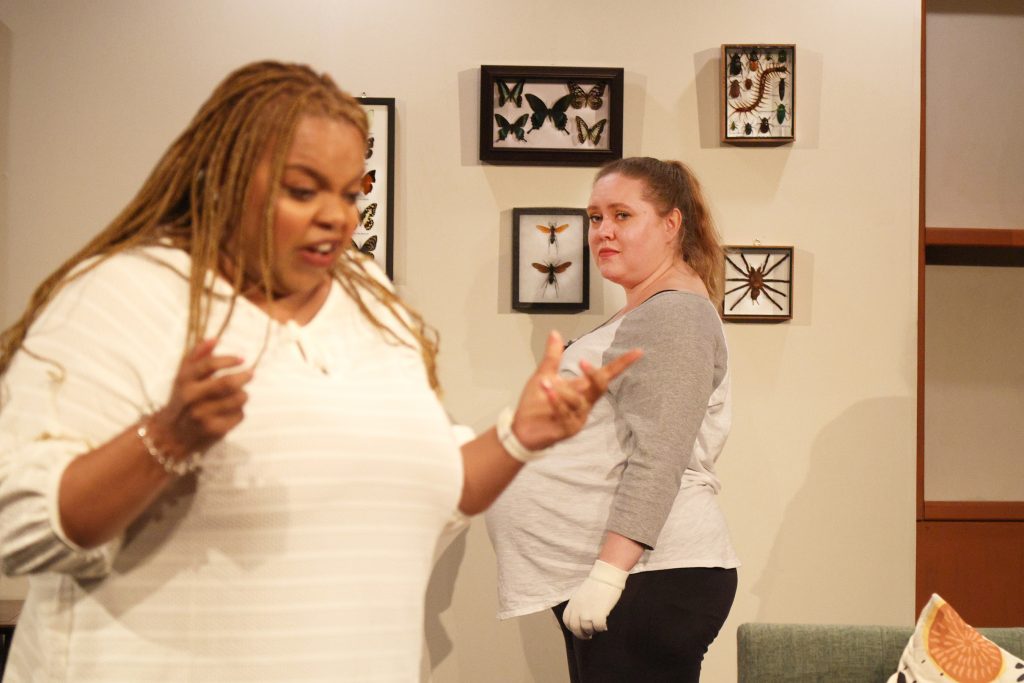
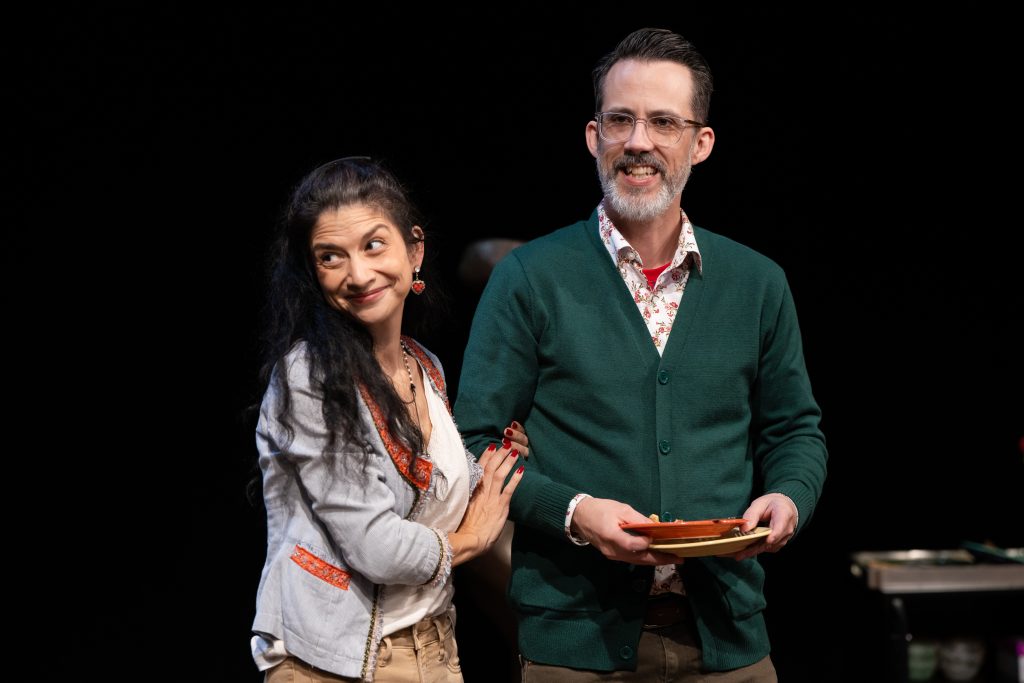
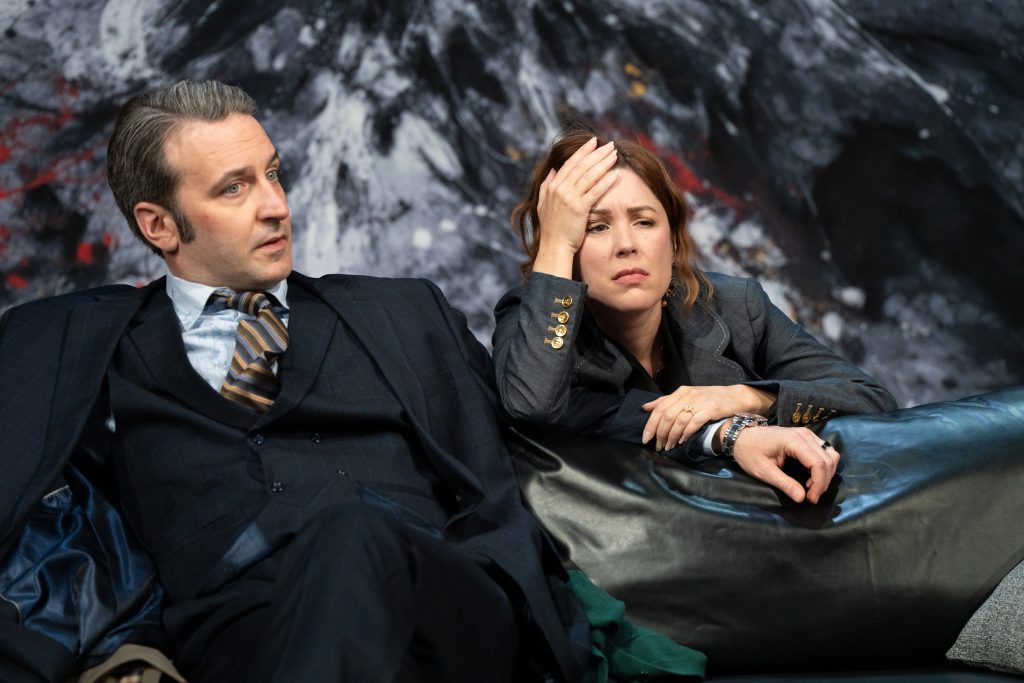
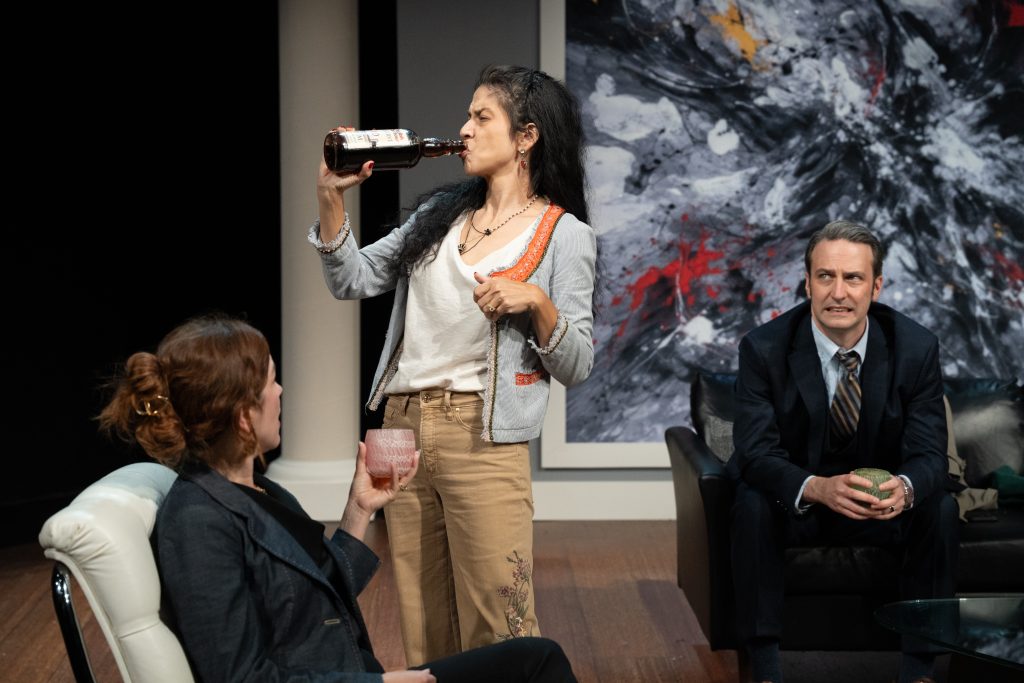
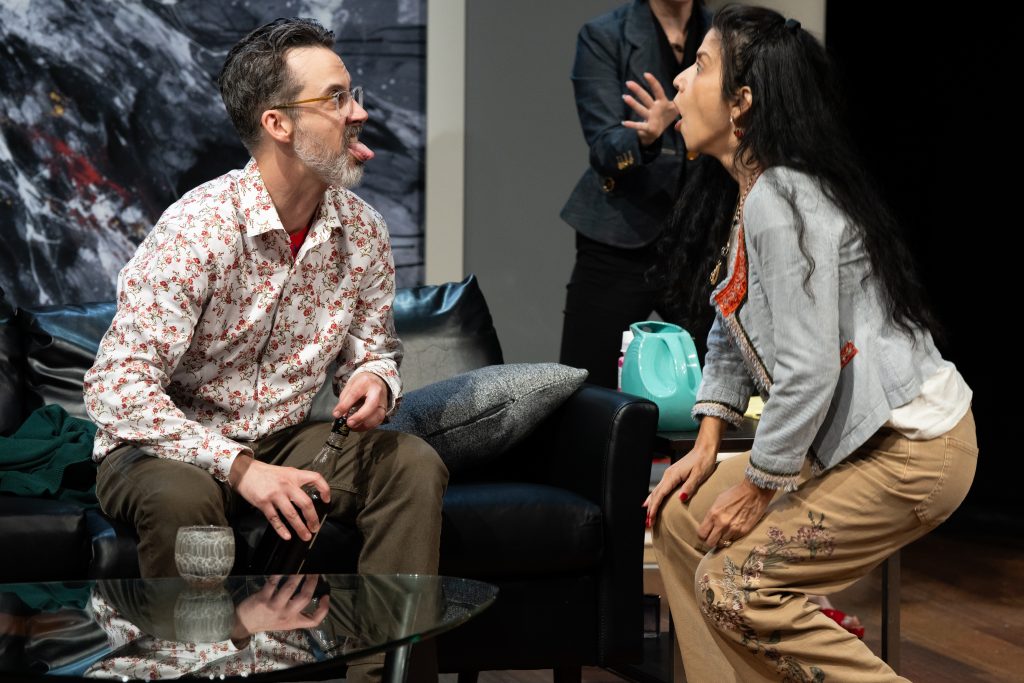
The company of ‘The Cottage.’ Photo by Jon Gitchoff.

On Our Radar: What we’re excited about this week.

Chas: I’m looking forward to this week’s return of the Two Reps – The Black Rep and St. Louis Repertory Theatre!

On my radar is the upcoming “Art Work: On the Creative Life” by Sally Mann, one of my top five photographers. Not only is she a stellar artist, but she can also write beautifully. I’ve pre-ordered a hardcover on its Sept. 9 release.

Alex: “Sanatorium Under the Sign of the Hourglass” at the Webster Film Series next weekend (Sept. 5-7).

Carl the Intern: Finishing the last 302 miles of the Route 66 trip from Santa Monica to Chicago.

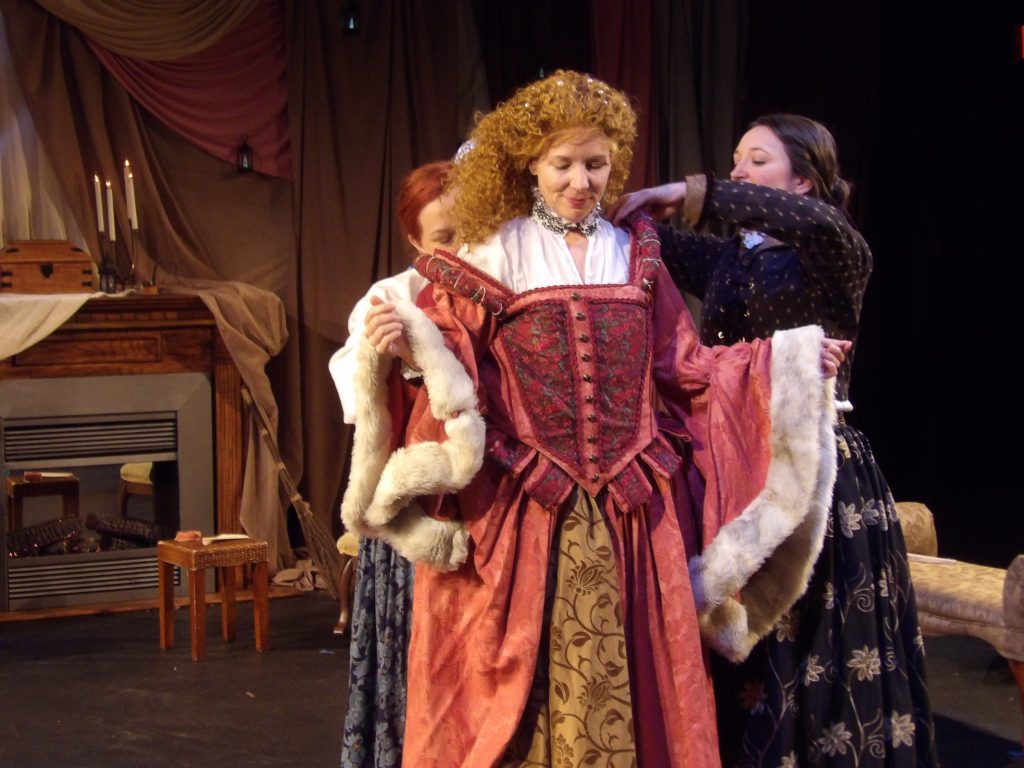
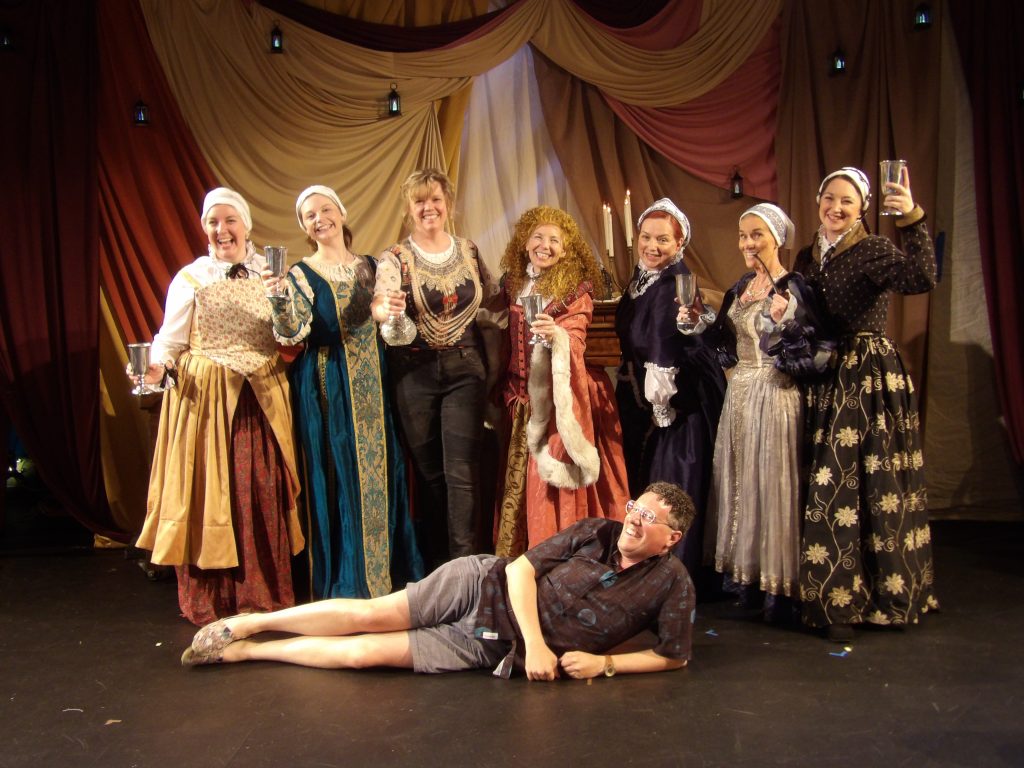
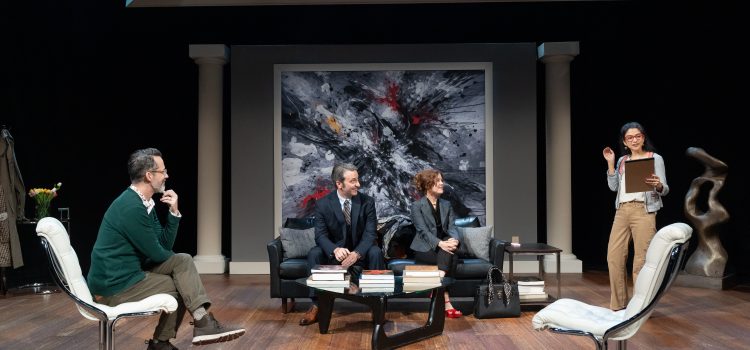
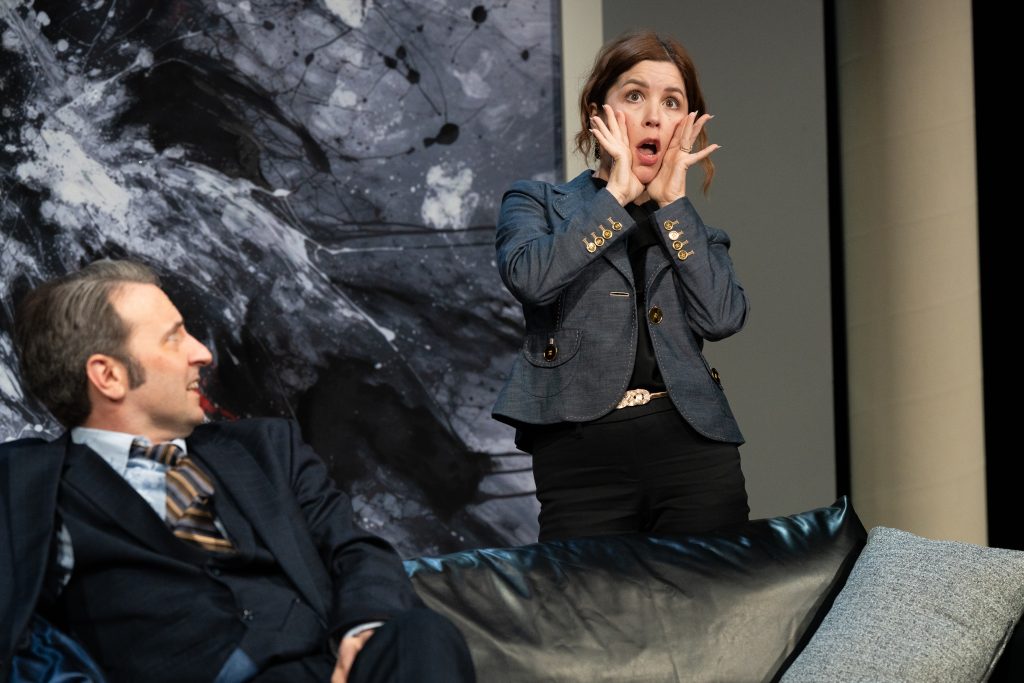
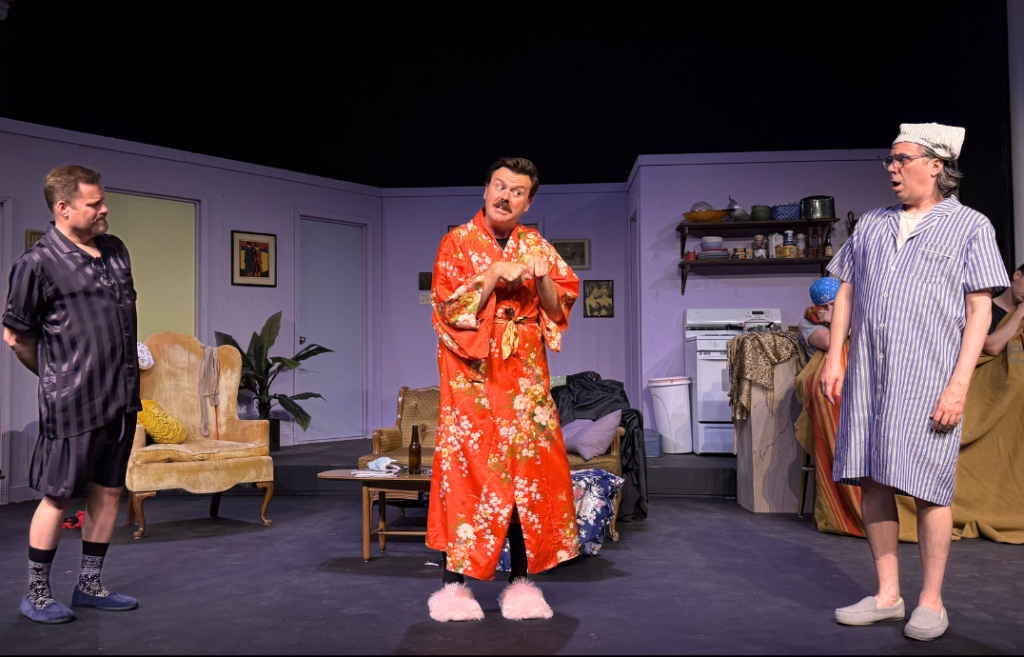
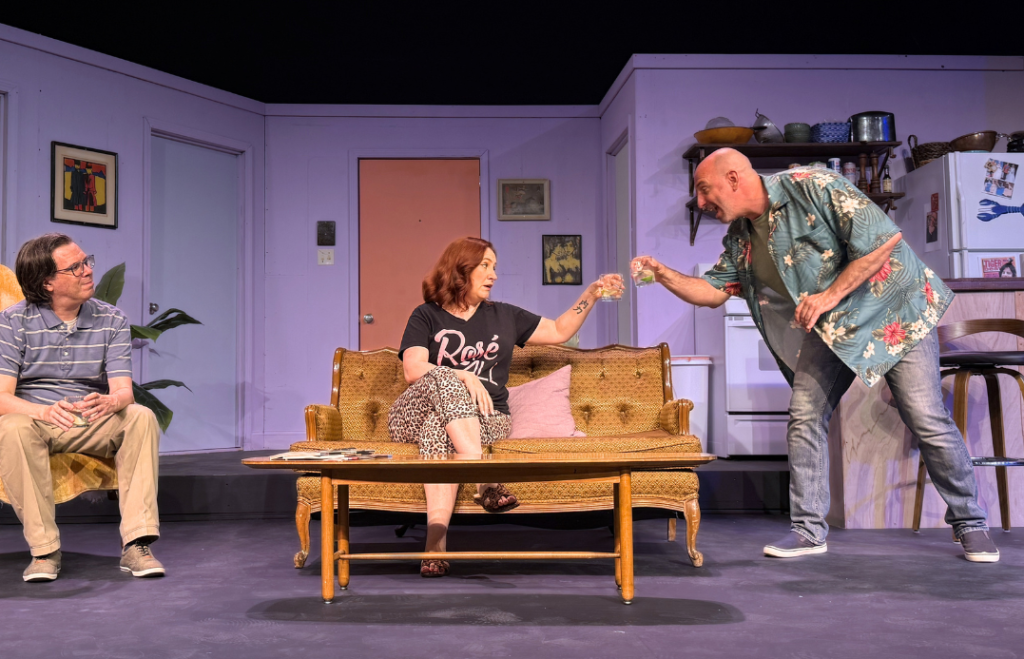
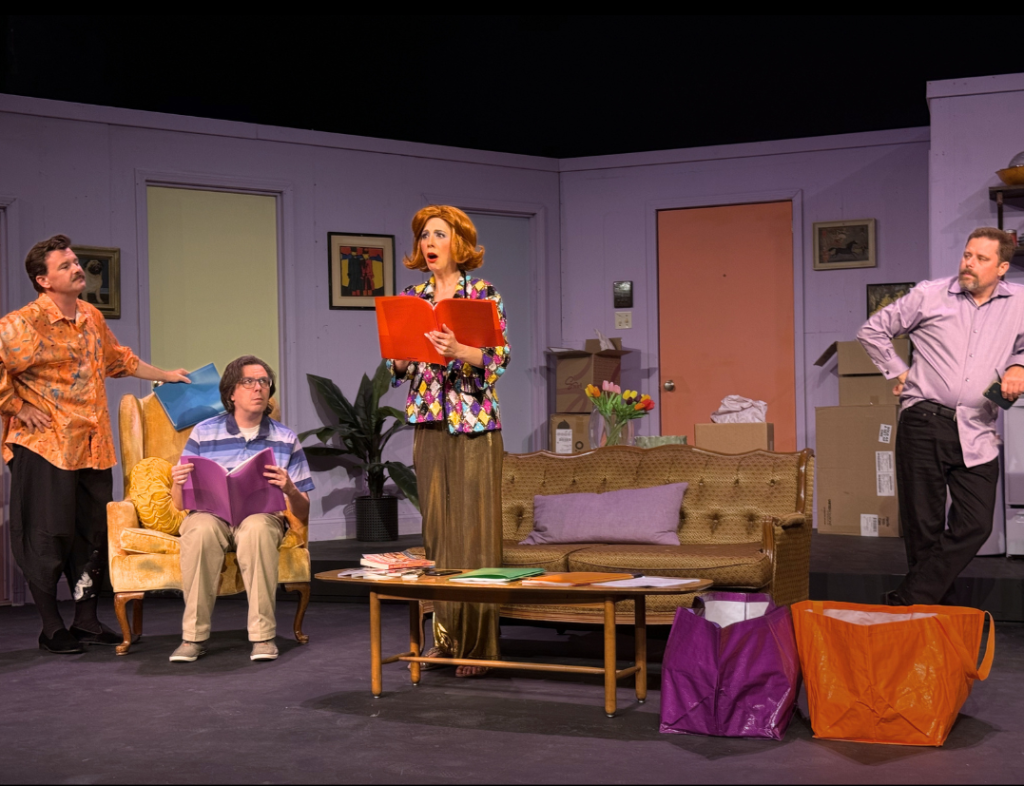
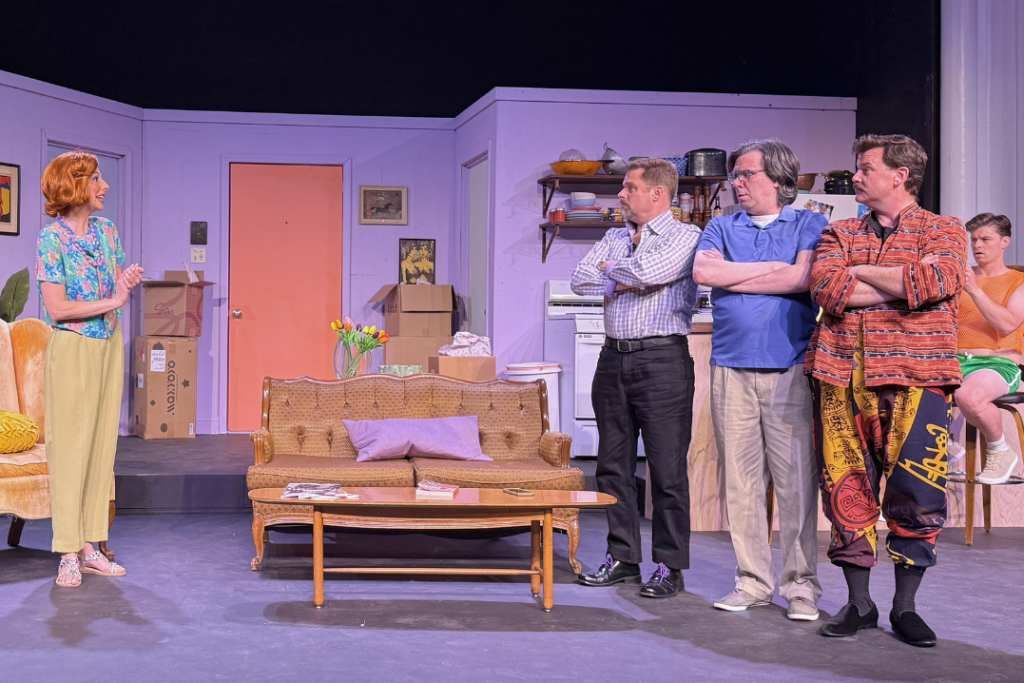
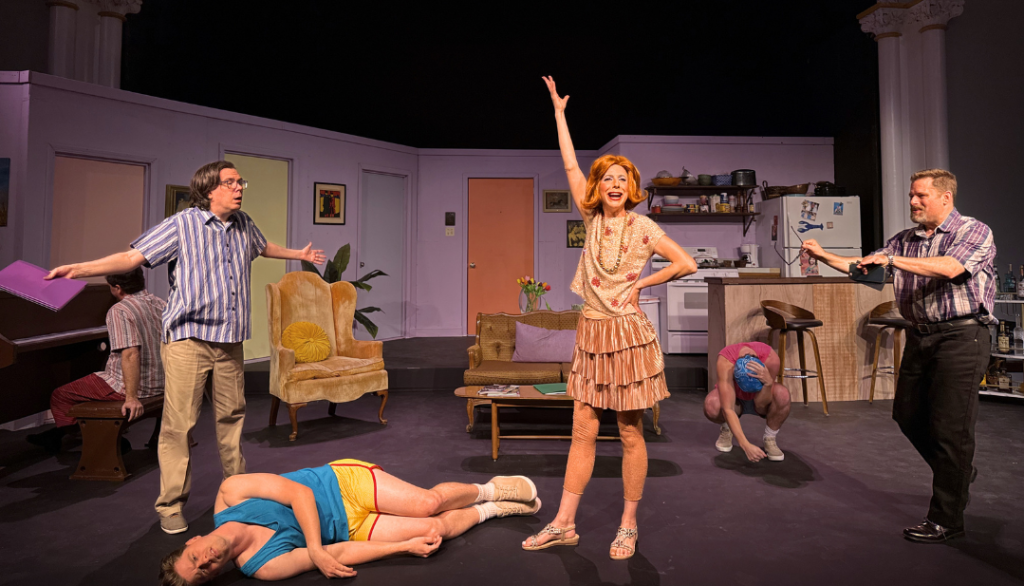
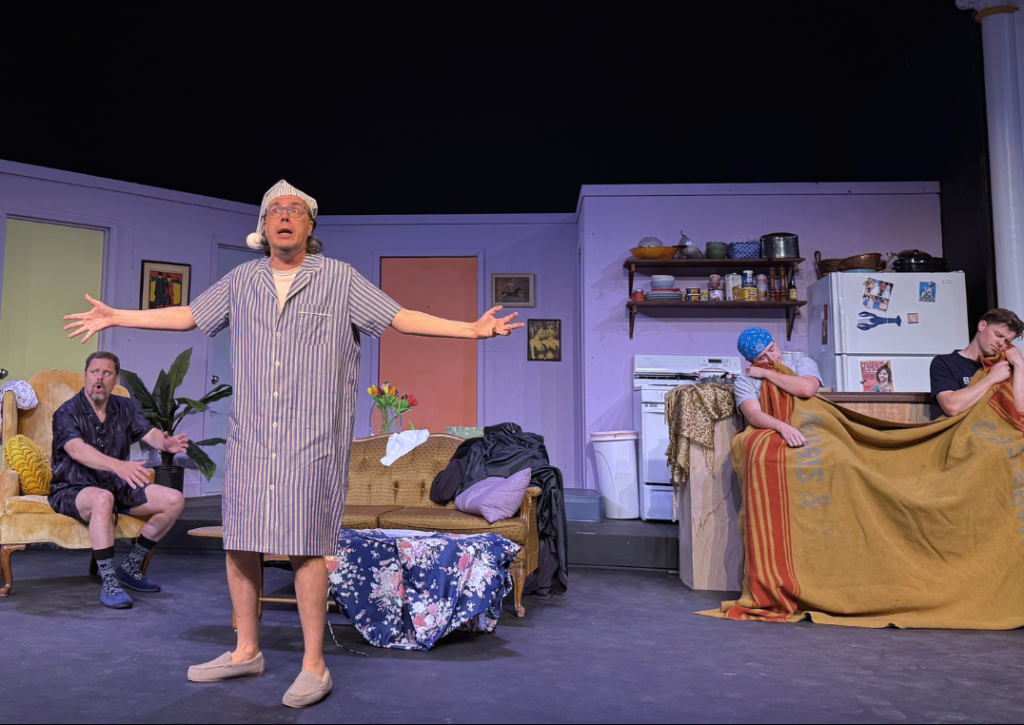
Lynn: The fall theatrical season kicks off with the farce “The Cottage” at The Rep and the musical “Raisin” at the Black Rep, and I’m excited to see both productions.

“The Paper” starts Thursday on Peacock, and it may become my new favorite show. It’s the new spin-off of “The Office,” and it’s the same documentary crew now at a struggling small-town newspaper in Ohio – the Toledo Truth-Teller. Domhnall Gleeson, plays the new editor-in-chief. After 50 years in news, I may either laugh or cry, or both.Chas:

Where Can You Find Us?

Chas: St. Louis Arts Scene, PopLifeSTL.com, STL Stage Snaps on YouTube and IG, and the socials.

Alex: https://bsky.app/profile/gdogmcp.bsky.social and https://letterboxd.com/gdogmcp/

Carl the Intern: Find me@_CarlTheIntern on IG, X & Threads and on the Big 550 KTRS M-F 5a-10a.

Lynn: KTRS, “The Frank and Jill Show,” every Friday at 11:08 a.m., PopLifeSTL.com, Webster-Kirkwood Times, Alliance of Women Film Journalists (awfj.org), plus Belleville News-Democrat for news and features, St. Louis Magazine for dining contributions, and all the socials.

By Lynn Venhaus

Two lethal Hasidic Jews, two Russian mobster goons, a Latino gangster and a tough-talking cop walk into a grungy East Village bar in 1998 New York City, and mayhem ensues in a fast-paced bloody treasure hunt “Caught Stealing.”

Henry “Hank” Thompson (Austin Butler), a former jock who could have had a shot in the major leagues, is now tending bar in New York City’s Lower East Side, drinking way too much and tormented by what might have been. His neighbor Russ (Matt Smith) asked him to take care of his cat while he heads home because his father had a stroke. Without warning, Hank becomes embroiled in the criminal underworld.

Inexplicably, unlucky Hank’s life becomes a living hell. Butler, with his movie star charisma,  drives the film’s energy as the former golden boy tarnished by a messy life.

Embroiled in a violent “Wrong Man” type scenario, he leads a strong ensemble cast as disparate as mohawked Matt Smith as the Brit punk neighbor, Regina King as the hardboiled detective, Liev Schreiber and Vincent D’Onofrio as machine gun-toting Hebrews with Carol Kane as their Bubbe, a grungy Griffin Dunne as grizzled bar owner Paul, and feisty Zoe Kravitz as his charming paramedic girlfriend Yvonne.

Zoe Kravitz, Austin Butler.

Butler and Kravitz click with tangible chemistry, and the cast digs into the quirky characters developed by author Charlie Huston, in his Hank Thompson mystery trilogy, who also wrote the screenplay.

Because Huston followed his 2004 “Caught Stealing” with 2005’s “Six Bad Things,” and 2006’s “A Dangerous Man,” can a sequel be far behind? (In case you are wondering, Huston is the grandson of legendary film actor and director John Huston and nephew of actors Anjelica Huston and Danny Huston.)

That’s the thing about a book adaptation. We don’t get the rich backstories of what’s going on in people’s heads – it’s up to the cast to convey, with nuance and depth, their inner lives.

Director Darren Aronofsky, leans more into the bullets flying and full-throttle chaos and less into character development as we’re quickly plunged into this darkly comedic-action thriller with a high body count —similar to “Bullet Train” three years ago.

Regina King, Austin Butler.

As a summer wild ride that knocks off pieces of “John Wick,” “After Hours” and any Quentin Tarantino -Guy Ritchie crime caper is light on original style but heavy on unpredictable, but it suffices as an easy-to-digest movie relying on cast appeal.

The humor is interspersed with gruesome killings, so the tonal whiplash shift doesn’t always work.

Aronofsky, who has helmed “The Whale,” “The Wrestler,” “Black Swan,” “Noah” and “Requiem for a Dream,” may seem like an odd fit, but he nails the scruffiness of late ‘90s NYC.

Of course, he benefits from cinematographer Matthew Libatique’s keen eye for detail in Pre-Millennium times, and winks by including some of his favorite spots like the long gone Kim’s Video.

Crackerjack editing by Andrew Weisblum, accompanied by a pulsating score from Rob Simonsen, also helps with the atmosphere. 

Matt Smith, Butler.

Haunted by his past, including a career-shattering drunk driving accident  15 years ago, that fuels Hank’s decisions and re-occurring nightmares. He deals with a reckoning through the film that is only touched on, but developed more in the books.

A California transplant who roots for his beloved San Francisco Giants and talks to his devoted mother (Laura Dern, in uncredited cameo) almost daily, Hank is likable but has issues he needs to address.

The pair of bald thugs who first roughed him up (Nikita Kukushkin and Yuri Kolokolnikov) are relentless, then they are joined by an enforcer (Bad Bunny) with a time-stamped ultimatum.

Trying to stay alive takes precedence for Hank as his loved ones are in danger, and he must see an endgame, but it doesn’t seem in sight. These plot threads keep unraveling, leading to tedium.

Liev Shreiber, Vincent D’Onofrio, Butler.

With all these colorful characters, one appreciates their contributions, but the chase becomes a labyrinth, and the film starts running out of gas.

Still, more surprises are in store. Yet, the cat named Bud is a reliable scene-stealer (Tonic, from “Pet Sematary” reboot).

“Caught Stealing” is a rough ride, depending on how you tolerate violence.

However, Butler proves himself as a certifiable leading man, Oscar nominated for “Elvis” and trying hard to show a range (“Dune,” “The Bikeriders,” and Eddington”). He is such a winning presence as Hank that you want to follow him on his journeys. They set up the ending for a sequel.

Wherever Hank and Bud go, you hope they go together. And you can sense they will be magnets for trouble. And there’s enough of a crime caper here to keep us turning in an imperfect summer throwaway.

“Caught Stealing” is a 2025 darkly comedic action thriller directed by Darren Aronofsky and starring Austin Butler, Regina King, Zoë Kravitz, Matt Smith, Liev Schreiber, Vincent D’Onofrio, Benito Martínez Ocasio, Griffin Dunne and Carol Kane. It’s rated R for strong violent content, pervasive language, some sexuality/nudity and brief drug use, and the run time is 1 hour, 47 minutes. It opens in theatres on Aug. 29. Lynn’s Grade: B-

By Lynn Venhaus

“Eenie Meanie” is the latest Quentin Tarantino-Guy Ritchie wannabe that is derivative of “Baby Driver,” “Drive,” “Fast and Furious” franchise and other pedal to the metal adrenaline rush movies heavy on blood-splattered action and light on logic and depth.

First-time director Shawn Simmons has assembled a recognizable cast headed by charismatic Samara Weaving, but the rest of the characters woefully lack any thoughtful development and are not interesting enough to spend an entire film with – and the main conflict is repellent.

 It’s as if this cast is plopped straight into a B-movie heist plot without any indication if they are either the good or the bad guys, mostly idiots and all caricatures. And each actor seems to be in a different movie.

Weaving is Edie, nicknamed Eenie Meanie, first shown as a glum, nervous teen with awful parents, who later endured a harsh life of foster homes and has a criminal past as a getaway driver.

Samara Weaving and Karl Glusman in “Eenie Meanie”

She’s a very good driver, nevertheless. After the opening scene, depicting how irresponsibly foolish her parents are (Steve Zahn, Chelsey Crisp), the film fasts forward to 14 years later.

Now a single bank clerk going to community college, her roommate is a longtime supportive friend Baby Girl (Kyanna Simone). Edie, spinning her wheels, has a loser boyfriend, among other tough-life dramas. Therefore, given choices, she usually goes with the wrong one.

John, the dippy bad luck-magnet boyfriend, is played by Karl Glusman. They are on-again, off-again, and she’d be much better off without him, because all indications are he’s a Bad Idea.

Gusman, part of ensemble casts in “The Bikeriders,” “Civil War,” and “Greyhound,” among others, tries to make John have some redeeming qualities, but the part is a screw-up, so…

He has screwed up a casino heist scheme by her old boss Nico (Andy Garcia wasted in tough-guy mode). Reluctantly, it’s Edie to the rescue – because she is always cleaning up everyone’s messes.

Marshawn Lynch is a getaway driver, so is Samara Weaving in “Eenie Meanie.”

She finds out she is pregnant, compounding the situation, so she helps the doofus avoid getting beaten to a pulp.  They take off on the run, squealing tires in zippy car chases where they mostly escape danger that keeps popping up.

The couple, who have some interesting exchanges, click on screen as they are pursued by an assortment of cliched quirky characters that are standard in these types of films.

Because of that, the screenplay is less thrilling because it’s a cluttered, clustered mishmash. Is she destined not to get anything she wants in life? That’s very sad.

Her new path is on hold while she deals with these peculiar, mostly unsavory, people. They are all in a never-ending toxic cycle – and why should we care? You feel for Edie because life has given her a big bag of lemons, and she can’t seem to make lemonade, no matter how hard she tries.

Randall Park is misused in a brief, persnickety role, while ex-pro running back Marshawn Lynch appears in a flashier but tiny part as another driver for Nico.  

Hopefully, Weaving will have a better choice of roles in her future. Without a fresh spin, “Eenie Meanie” can’t rise above its hackneyed plot and trite characters, unable to cross the finish line.

“Eenie Meanie” is a 2025 action-crime thriller directed by Shawn Simmons and starring Samara Weaving, Karl Glusman, Andy Garcia, Marshawn Lynch, Jermaine Fowler, Kyanna Simone, Steve Zahn, Chelsey Crisp, and Randall Park. It is rated R for violence/bloody images, pervasive language, nudity, some sexual material and brief drug use, and run time is 1 hour, 46 minutes. It started streaming on Hulu Aug. 22. Lynn’s Grade: C-.

By Lynn Venhaus

A dour, dismal retelling of a ​1​930s island utopia that goes horribly awry, “Eden” is supposed to be high-stakes drama where people build a better society, but it turns comical– not in a good way — then the inevitable blood-spilling​ happens.

Based on a factual account of a group of outsiders who settle on a remote uninhabited island only to discover their greatest threat isn’t the brutal climate or deadly wildlife, but each other. They abandon modern society in search of a new beginning.

Jude Law, Ana de Armas, Vanessa Kirby, Daniel Brühl, and Sydney Sweeney see their utopian dream unravel as tensions mount and desperation takes hold. Facing a brutal climate, deadly wildlife, and lack of resources, the colony descends into chaos when a twisted power struggle leads to betrayal, violence and deaths.

Worst of all, Ana de Armas and Vanessa Kirby, two Oscar-nominated actresses, are at their worst, with ridiculous over-the-top performances​. Jude Law is not that much better as an increasingly unhinged doctor-turned-philosopher.

It was an embarrassment for the whole cast but faring better were a nearly unrecognizable Sydney Sweeney and sturdy German actor Daniel Bruehl, who worked with director Ron Howard on “Rush,” but it’s not their task to carry the whole film.

Bruehl’s accent is authentic – the others, not so much.

Sadly, most of this ​l​ethargic film is painful to watch for 2 hours and 9 minutes. Because these people don’t want to be on the island with each other, why should we invest ourselves in their drama?

Based on a true story, director Ron Howard’s misfire unfortunately doesn’t give us a clear point of view because he took two conflicting published accounts of what happened and tried to blend them. He co-wrote the screenplay with Noah Pink, and the result is confusion as to what really occurred — and provides few answers.

Disillusioned Dr. Friedrich Ritter (Jude Law) and his equally peculiar wife, Dora Strauch (Vanessa Kirby), left civilization behind for Floreana in the Galapalos Islands, a province of Ecuador​.

Suffering from multiple sclerosis, Dora hoped the island air would help her physically while Ritter’s radical philosophies are inspiring others with his letter-writing that is being published in Europe. He believes society is doomed and becomes more ​ disturbing as he types his manifesto, obsessed with his crackpot ideas.

That leads to other ‘outsiders’ being lured there, not realizing how hostile the environment would be, and ​unaware they won’t be welcomed by the ​​disdainful duo. 

First to arrive ​a​re industrious Heinz and Margret Witmer (Bruehl, Sweeney) in 1932​. Hard-working and kind, t​h​ey are accompanied by Heinz’s ​obedient son Harry (Jonathan Tittel), who has tuberculosis.

They are good people, but the next to arrive isn’t. Self-absorbed, deceitful and haughty, the ridiculous Baroness Eloise ​Bosquet de Wagner Wehrhorn arrives with an entourage (lovers). Her goal is to build a luxury hotel ​on the beach for only millionaires.

She manipulates the men around her, flaunts her hedonistic lifestyle, and treats the Witmer’s as hired help. The detached Ritters dismiss her​ as a frivolous party girl, until she surprises them with a devious legal maneuver.

De Armas, exerting over-the-top theatricality, schemes, fumes and uses everyone for her own selfish gains. Her soap opera’s villain character becomes tiresome, and her rottenness infects everyone. As an actress, de Armas seems to rely ​more on her sexuality in films, risking becoming a caricature.

Heinz, who fought in World War I, builds a new life for his family, despite setbacks and de Armas’ sabotage attempts. Margret, a young dutiful homemaker, discovers she is pregnant. 

Sweeney has the film’s most physical and harrowing scene as she’s in labor, alone, afraid and surrounded by danger, including a pack of wild dogs. She’s also revealed to be one smart, resourceful woman.

After Law’s impressive performance last year as an FBI agent in “The Order,” he returns to being streaky again with his choices, and here he’s flamboyantly scenery chewing. Spouting Nietzsche and baring all, Law is extremely unlikable as this megalomaniac who believes in his own delusional providence.

Kirby, last seen as the kindly but fierce mother figure Sue Storm in “Fantastic Four: First Steps,” adds aloof bitter shrew to her repertoire.

Shot in Australia, the film premiered at last year’s Toronto International Film Festival and is being released now.

This disappointing effort from Howard joins his other misses, “Hillbilly Elegy” in 2020, “In the Heart of the Sea” in 2015, and “The Dilemma” in 2011.

The story gets darker and drearier, no thanks to Hans Zimmer’s dirge-like score nor Mathias Herndl’s stark cinematography. As the film disintegrates along with the characters – each seem to be in their own different movie – it hints at a “Lord of the Flies” scenario.

The pace, already sluggish, becomes interminable with the inevitable showdown and wrap-up. “Eden” is a disastrous survival story that has little optimism. I’d want to be voted off the island immediately.

“Eden” is a 2024 psychological thriller directed by Ron Howard and starring Jude Law, Vanessa Kirby, Ana de Armas, Danel Bruehl, Sydney Sweeney, Felix Kammerer, Richard Roxburgh, Jonathan Tittel, and Toby Wallace. It is rated R for some strong violence, sexual content, graphic nudity and language,.and its runtime is 2 hours, 9 minutes. It opens in theatres Aug. 22. Lynn’s Grade: D

 By Lynn Venhaus

“But the first time the four of us made that sound, our sound, when everything dropped away and all there was, was the music…that was the best,” – Frankie Valli

With its focus on the driven, determined and dynamic brotherhood who became the enduring superstar quartet The Four Seasons, their lively legacy lives on in the Muny’s crowd-pleasing rolling ball of thunder “Jersey Boys.”

A celebrated smash hit around the world, the smartly constructed Tony winner is a can’t-miss bio-jukebox musical because of its vibrant staging, captivating storytelling and unforgettable sound.

Not only featuring a substantial collection of hits, the charming combination of showbiz spectacle and personal struggles connect with generations authentically, garnering empathy, and the group’s hard-won success resonates.

 The rags-to-riches true stories of Frankie Valli (Pablo David Laucerica), Bob Gaudio (Andrew Poston), Tommy DeVito (Ryan Vasquez) and Nick Massi (Cory Jeacoma), blue-color kids from a tough Italian neighborhood in Belleville, New Jersey, are detailed in Marshall Brickman and Rick Elice’s straight-shooting documentary-style book.

Pablo David Laucerica, Andrew Poston, Jerry Vogel_Photo by Phillip Hamer

By presenting four different points of view, they also broke the Fourth Wall, where characters talk directly to the audience, and each one narrates their version. Being wise street guys, their salty dialogue is peppered throughout the two acts. They sure were entertaining, on stage and off.

The writing pair deftly integrated the group’s tough times and glorious moments in between 34 songs, their placement depending on recordings timeline or a means to emphasize real events.

With lead singer Valli’s unmistakable falsetto, songwriter/keyboard player Gaudio’s catchy melodies, De Vito’s guitar, and Massi’s bass, their signature sound sold 175 million records and was an essential cultural touchstone of the 1960s-1970s.

The quartet features three strong actors making their Muny debut. Indefatigable Pablo David Laucerica is a dynamo as legendary Valli, acting “Like that bunny on TV, I just keep going and going and going. Chasing the music. Trying to find our way home.”

Flashing a radiant smile often, Laucerica pours his heart and soul into the songs, and while he superbly delivers upbeat pop and moving ballads equally, one of his best numbers is the heartbreaking “Fallen Angel” about the tragic death of his daughter at 22. Frankie convincingly wrestles with his desire to perform and the need to spend more time with his family.

From left: Andrew Poston, Cory Jeacoma, Ryan Vasquez and Pablo David Laucerica in the 2025 Muny production of “Jersey Boys.” Photo by Phillip Hamer

Poston is appealing as boyish Gaudio, the self-assured songwriting wizard, while Jeacoma adds some fine-drawn heft to his Massi characterization, more than just a quirky figure eliciting laughs as the self-proclaimed “Ringo.” He’s an accomplished ‘Jersey Boys’ veteran (as is Laucerica).

In his second Muny appearance after his scene-stealing turn as the sadistic dentist in “Little Shop of Horrors” in 2023, Vasquez provides the braggadocio and is an imposing figure in his intense portrayal of slick sharp-tongued troublemaker DeVito. It’s a noteworthy muscular performance.

While they took a while to find their rhythm in the musical numbers, the four eventually clicked, their silky-smooth 4-part harmonies gelling along with their snappy movements. In their passionate portrayals, though, they established a fine rapport with each other for an immediate close-knit feeling.

First-time music director Paul Byssainthe Jr. cohesively conducted the 25-piece orchestra, emphasizing a sensational horn section that shines in the upbeat numbers.. The actors playing musicians exhibit some stylish moves.

Choreographer William Carlos Angulo’s larger dance numbers are appropriately peppy, but there is one puzzling dance interlude during a Valli solo, after his daughter’s passing. Nevada Riley, a young female dancer, enters alone, and dances in the dark, no illumination whatsoever – so how many people saw it? Could shadows have been more effective?

Wouldn’t lighting designer Rob Denton have enhanced that? Denton, one of the best in the business, has dramatically illuminated music scenes and intimate interactions effectively here. truly stunning work establishing the scenes..

Members of the company of the 2025 Muny production of “Jersey Boys.” Photo by Phillip Hamer

The Muny’s creative team transports us to the 1960s, from the smoky clubs to humble digs, to a fabled Brill Building recording studio, taping of “American Bandstand,” “The Ed Sullivan Show,” and other milestones in the 1970s and 1990. Set designer Krit Robinson has crafted a simple grid for all the moving pieces, some gritty, some finer quarters.

Costume designer Leon Dobkowski conjures up attractive vintage period pieces and status outfits, with glitzy dance and singing attire getting fancier as the gigs get bigger.

The creative eye-popping video designs by Kylee Loera and Greg Emetaz immerse us in the music business and frame the times. They incorporated hand-held cinema verité footage of interviews with the older Four Seasons, played by Drew Battles, Michael James Reed, and Jerry Vogel. The smooth, seamless integration is some of their best work.

For the Rock Hall induction scene, some members of the audience appeared confused, thinking that the older actors were the real Four Seasons when they came on stage in tuxedos. They stood up cheering, snapping photos. Unfortunately, only two of the actual members are living – Gaudio and Valli, and they were not present. (However, Gaudio did make an appearance in 2018, being introduced one night to the Muny crowd.)

From left: Tristen Buettel, Nevada Riley and Stephanie Gomerez in the 2025 Muny production of “Jersey Boys.” Photo by The Muny | MaryKatherine Patteson

For anyone that considers these timeless songs part of the soundtrack of their lives, this is a nostalgic boogaloo down memory lane. It’s not only Boomer bliss, or for fans only, but other generations can appreciate the universal themes of ambition, friendship, love, disappointment, heartbreak and making your dreams come true.

Director Maggie Burrows presented the major music numbers with panache, especially the back-to-back hits “Sherry” (their first hit in 1962), “Big Girls Don’t Cry,” “Walk Like a Man,” and “Ragdoll.” The ‘earworm’ tunes keep coming in robust fashion — “Let’s Hang On,” “Working My Way Back to You,” “C’mon, Marianne” and “Stay” among them.

Standing out are thrilling interpretations of “December 1963 (Oh, what a Night)” – their last no. 1 hit in 1976, “Can’t Take My Eyes Off of You,” and “Who Loves You,” a rousing finale that had the crowd on its feet – and singing and clapping along to the forever hummable “December 1963” encore/curtain call.

The iconic “Can’t Take My Eyes Off of You,” released in April 1976, has a fascinating backstory that gets its deserving Muny moment. After being turned down, the embattled song was among his biggest hits, earning a gold record and reaching No. 2 on the Billboard Hot 100 for a week, making it Valli’s biggest solo hit until he hit No. 1 in 1975 with “My Eyes Adored You.” Solid gold first time out of the gate as a solo artist.

With an extended ovation and loud cheers for Laucerica’s virtuoso rendition, that reaction indicated it was an audience favorite. And the staging, with its silhouetted horn section, was a nifty touch.

Pablo David Laucerica in the 2025 Muny production of “Jersey Boys.” Photo by The Muny | Emily Santel

In fine support are Shea Coffman as record producer and lyricist Bob Crewe (but saddled with an ill-fitting wig), John Leone – who was in the original Broadway cast — as business leader, family man and fixer Gyp de Carlo, Mike Cefalo as Joe Pesci (yes, that Joe Pesci), and Tristen Buettel as Frankie’s first wife, Mary Delgado.

Of course, the ensemble seamlessly plays multiple roles. D’Marreon Alexander, Matt Faucher, Stephanie Gomerez, Reina Guerra, Jimin Moon, Ben Nordstrom, Matt Rivera, and Fernando Trinidad III complete the ensemble, with Kaley Bender and Noah Van Ess as swings.

Currently, the 13th longest-running show on Broadway with 4,642 performances, “Jersey Boys” ran for 11 years from Nov. 6, 2005, to Jan. 15, 2017. In 2006, it won four Tony Awards, including Best Musical, Actor, Featured Actor and Lighting Design.

As the first theater to present it after the Broadway run, residence companies and national tours, The Muny featured it as a world regional premiere during the 100th year centennial season in 2018, and the joint was jumping.

While this production could have been tighter and crisper (under-rehearsed, affected by oppressive heat, perhaps?), overall, it is a rollicking, entertaining evening.

Members of the company of the 2025 Muny production of “Jersey Boys.” Photo by Phillip Hamer

This quintessential American Dream tale hasn’t lost its luster. Come for the classic hits, enjoy the laughter, delivered vigorously. Humor abounds, so do emotional tugs through their relatable journey navigating the pitfalls of fame and money.

Leaving with enough good vibes to remain uplifted, I haven’t been able to get the songs out of my head since I exited the outdoor Muny stage Tuesday for the final show of the redefining and memorable 107th season.

How lucky we are to be alive right now, connecting with each other through the time-honored tradition of sitting under the stars and seeing Broadway-quality shows Muny-style. Onward and upward for next summer!


The Muny presents “Jersey Boys” from Aug. 18 through 24 at the outdoor stage in Forest Park. It is 2 hours, 20 minutes and has an intermission. This has adult content. For tickets, go to: www.Muny.org or call the box office at 314-361-1900, located at 1 Theatre Drive in Forest Park, or MetroTix at 314-534-8111.

From left: Andrew Poston, Ryan Vasquez, Cory Jeacoma and Pablo David Laucerica in the 2025 Muny production of “Jersey Boys.” Photo by Phillip Hamer


The 108th Season

The Muny will announce the seven shows in its 2026 season on Dec. 1, which happens to be Cyber Monday. The invitation-only live event will be livestreamed for virtual participation. Time will be announced later.

For the first time, subscribers can renew current tickets or secure new season tickets when they unveil the season 108 lineup.

.

From left: Andrew Poston, Cory Jeacoma, Ryan Vasquez and Pablo David Laucerica with the company of the 2025 Muny production of “Jersey Boys.” Photo by The Muny | Emily Santel
From left: John Leone, Shea Coffman, Drew Battles, Michael James Reed and Jerry Vogel in the 2025 Muny production of “Jersey Boys.” Photo by Phillip Hamer

By Lynn Venhaus

A refreshing breeze is blowing through the cozy confines of the Tower Grove Abbey in Stray Dog Theatre’s ambitious youth opera, “The Second Hurricane,” and it’s a breath of fresh air.

An earnest, well-rehearsed ensemble – 12 youth choir members and 11 adult choir members accompanied by a 12-piece orchestra, are unified in song and spirit in this rarely performed piece by Aaron Copland, flawless in their harmonies and heartfelt interpretation.

The remarkable young performers are as poised and polished as the adults are, and the entire effort is impressive. Director Gary F. Bell and Music Director John Gerdes strived for the highest level of excellence of all involved, and their dedication shows.

Copland is known as the Dean of American Music for his distinct musical identity that evokes the American landscape and spirit. One of the most influential composers of the 20th century, he wrote this opera, his first, in 1937, specifically for schoolchildren.

During a career that spanned 60 years, Copland incorporated jazz, folk and classical music in his traditional themes, shaping an American voice, and connecting deeply with audiences.

The dynamic dozen – the mighty musicians of “The Second Hurricane.” Photo by Stray Dog Theatre.

Perhaps you’ve heard “Fanfare for the Common Man,” a 1942 orchestral piece commissioned as a tribute to World War II soldiers; “Rodeo,” a 1942 ballet choreographed by Agnes de Mille honoring the American West that includes the very recognizable “Hoe-Down” (Remember the “Beef. It’s What’s for Dinner” ad campaign?); and his symbolic 1944 ballet “Appalachian Spring” that features the iconic “Simple Gifts” melody. He won an Oscar for the film score to “The Heiress,” among other accolades.

Bell, a longtime fan, was part of the opera’s revival in 1985 for the composer’s 85th birthday celebration. Then a 21-year-old artist living in New York City, Bell was honored to be cast in the production at the Henry Street Settlement, its original site, and met Copland, who died five years later.

His impact on Bell was significant, and the SDT artistic director said this opera is very personal to him.

Inspiring this ensemble to achieve their full potential was important, and Gerdes, a respected local musician and educator, also attained new artistic heights with the choirs and conducting the superb orchestra. They both carried this off with precision and perseverance.

The entire creative cast and crew executed Stray Dog’s first opera splendidly with an appreciation of the material, and emotional storytelling that resonates. An unmistakable feeling of community and its American essence is apparent.

The libretto by poet Edwin Denby was written specifically for young people and set during the Great Depression. It’s succinct and matter of fact, without frills or flourishes.

The accomplished adult choir. Photo by Stray Dog Theatre.

The program notes describe the time and place as: “A small Middle West town following a devastating hurricane in the 1930s. We start in a local high school and move to a rise in ground in a waste country near a great river.”

Inspired by a true story, a group of enthusiastic high school students volunteered to help with delivering supplies to victims of a recent hurricane. Little do they realize the dangers involved, for they are in harm’s way as the weather forecast predicts the possibility of a second hurricane.

With their different personalities and social hierarchy, the students tussle with each other, not agreeing much on duties and strategies. But faced with another natural disaster, frightened and with little resources as they’re stranded on a remote island, they learn to work together, cooperating and demonstrating courage and tolerance.

It’s a terrific lesson on teamwork. The six students on the rescue mission include Nadja Kapetanovich as top of the class Queenie, Bryn Sentnor as determined Gwen, Jabari Boykin as brainy Lowrie, Soren Carroll as new kid Butch, Wesley Balsamo as bully Fat, and Ben Hammock as Gyp, Fat’s younger brother. Cece Mohr plays Jeff, a country boy they discover living in a rural area.

Nadja Kapetanovich performs “Queenie’s Song.” Photo by Stray Dog Theatre.

They are bolstered by new friendships and a sense of belonging, and there’s tangible relief and gratitude from the parents.

The other expressive, self-assured students that shine in the chorus include Eliana Bryson, Margot Carroll, Abby Donald, Sydney Fendler, Sierra Hale and Ava Hettenhausen.

Demonstrating substantial technical skill, the adult choir includes Madeline Black, Leah Bryson, Jacob Cowley, Gansner, Rebecca Hatlelid, Lizzie Klemm, Brittany Kohl, Jess McCawley, Chris Moore, Jan Niehoff and Terrell Thompson. Kohl acts as the school principal and Niehoff as an aviator, Miss Maclenahan (she’s nearly unrecognizable, swallowed up in a cumbersome coat and hat).

From a first-row perch, Gerdes guides the 12 accomplished musicians to create a stirring sound and passionately interpret Copland’s music.

Jabari Boykin, Soren Carroll, Bryn Sentnor, Wesley Balsamo, and Ben Hammock. Photo by Stray Dog Theatre.

The cohesive musicians, behind the singers on stage, are– Helen Bednara, bassoon; Mo Carr, violin 2; Andrea Clark, flute; Jill Hamill, viola; Bill Howells, trombone; Michaela Kuba, double bass; Emily Mehigh, clarinet; Paul Rueschhoff, cello; G Schmiedeke, violin 1; Brandon Lee Thompson, oboe; Deborah Thuet, percussion; and Chris Dressler and Larry Levin each play trumpet at select performances.

Costume designer Colleen Michelson collected numerous print dresses for the period looks, and some of the boys wear overalls to reflect their rural life. Sarah Gene Dowling designed wigs for several singers. Tyler Duenow designed the lighting and Justin Been again created impeccable sound, simulating weather and making the music fill the theater.

Ava Hettenhausen, Sierra Hale, and Sydney Fendler

The two-act musical is only an hour, and the numbers are mostly presented as choral pieces, but four youngsters deliver moving and memorable solos.

Displaying clear, crisp and confident tones, Wesley Balsamo, Ben Hammock, Nadja Kapetanovich and Cece Mohr are affecting in their songs, simply titled with their characters’ names. Their stage presence is notable, too.

“The Second Hurricane” appears to be a rewarding collaborative experience, where everyone seemed to bring out the best in each other.

Stray Dog Theatre presents the Aaron Copland opera “The Second Hurricane” Aug. 7 – 30, Thursdays through Saturdays at 8 p.m., with Sunday matinees at 2 p.m. on Aug. 10, Aug. 17 and Aug. 24 at the Tower Grove Abbey, 2336 Tennessee Avenue. For more information or for tickets, visit the website, www.straydogtheatre.org.

Box Office/Will Call opens 1 hour prior to performance. Tower Grove Abbey is a “general seating” theatre. The opera is 1 hour long, with an intermission.

Rebecca Hatlelid, Lizzie Klemm, and Jess McCawley

By Lynn Venhaus

A bold, ambitious “A Streetcar Named Desire” is the centerpiece in this year’s 10th annual Tennessee Williams Festival St. Louis.

A contemporary interpretation of the playwright’s most iconic work nearly 80 years after his masterpiece stunned Broadway audiences, director Michael James Reed asks us to look at the Pulitzer Prize and Tony-winning drama with fresh eyes. He prefers the term ‘reconstruction’ instead of ‘deconstruction,’ and that is what he delivers.

Already a relic from the past, fading and fragile Southern belle Blanche DuBois arrives at her sister Stella’s doorstep, to stay at her run-down two-room flat. Stella’s brutish working-class husband Stanley Kowalski isn’t aware of her visit and, immediately agitated, locks horns with his attention-seeking sister-in-law.

Over the course of the stifling summer, tempers flare, and Stanley becomes increasingly volatile, his bullying obsessive, while Blanche unravels – her displacement, discomfort and disorders adding to her breakdown. Stanley’s verbal and physical abuse becomes too much, leading to sexual abuse.

Todd D’Amour and Beth Bartley. Suzy Gorman photo.

This doomed power play leaves wreckage from a predator and prey situation, for Blanche appears like a frightened caged animal, her feminine wiles no longer effective.

Her final line, as she clings to a gentle doctor (David Wassilak) escorting her away: “I have always depended on the kindness of strangers” is shattering.

The cast portrays these indelible roles through a lens that is both rooted in Tennessee Williams’ dysfunctional framework and then Reed’s challenge to bring something different to their characterizations.

Some of the choices go outside the lines of our perceptions — with Todd D’Amour’s tightly wound abusive Stanley displaying pathological cruelty, Beth Bartley’s grittier desperate Blanche masking her many indignities, and Isa Venere’s younger Stella enabling and helpless. Think of it as an American horror story in retrospect.

As the local festival has amplified the past 10 years, Williams’ works are about loss in some way – of beauty, love, youth, identity and/or way of life, and this manifests through a range of characters developed during a career spanning 50 years, from the 1930s to his death in 1983 at age 71. After “The Glass Menagerie” made him a rising star in 1944, he opened 14 plays on Broadway from 1947 to 1980.

This is the first time that I really felt Williams’ own torment, of how humiliating it was for him to work with bullies like Stanley at the International Shoe Company during his formative years here, at a time when he was not free to express his sexuality and there was a very specific masculine ‘standard’ in society, not to mention another variation on his beloved sister Rose, mentally challenged at a time it was not understood. His own feelings poured out in these characters.

Looking back today, one sees societal changes colliding in Williams’ most famous work –the new South vs. the past, and women’s evolution regarding gender roles.

Post-war America, during this long, hot summer on Elysian Fields Street, adjacent to the French Quarter of New Orleans, we feel the heat. Sometimes, the atmosphere feels suffocating without any relief, while other times it feels like the tension is so thick and volatile, it could combust.

In that setting, the raw intensity seeps through, revealing harsh truths and emphasizes Williams’ timeless themes of illusion, trauma, power, control, and desire, and when reality hits head-on, how it changes expectations.

Beth Bartley and Isa Venere. Photo by Suzy Gorman.

After the play debuted to a thunderous 7-minute standing ovation on Dec. 3, 1947, it was adapted into an acclaimed Academy Award-winning film in 1951, with three of the four principals reprising their roles– Marlon Brando, Kim Hunter and Karl Malden, but Vivien Leigh as Blanche instead of Jessica Tandy.

Let’s face it, comparisons are inevitable, and “Streetcar” continues to be performed around the globe, never out of view. Andre Previn’s 1998 opera is part of Opera Theatre of St. Louis’ line-up next summer and a 2022 London play revival transferred to off-Broadway earlier this year for a limited run starring acclaimed Irish actor Paul Mescal, who won an Olivier Award as Stanley, and Spanish-British actress Patsy Ferran as Blanche.

The roles are demanding because they can easily go over-the-top into caricatures. After all, their indelible work has been exaggerated into comic archetypes in pop culture for decades.

Bartley’s panicked Blanche reunites with her sister, and Venere’s Stella, goes into caretaker mode, even when she learns that their family estate, Belle Rive in Laurel, Mississippi, has been lost to creditors.

Eric Dean White and Beth Bartley as Mitch and Blanche. Photo by Suzy Gorman.

A traumatized Blanche recalls taking care of their dying relatives without help. She says she has taken a leave of absence from teaching high school literature because her nerves are so frayed. Bartley and Venere share a comfortable chemistry.

Enter suspicious, coarse and crude Stanley. D’Amour isn’t imposing, nor is he articulate. With mumbled lines, he’s hard to understand and harder to relate to, and that’s unfortunate because it throws the balance off.

Stella, caught in the middle, must try to keep the peace between the warring factions, but she is ineffective. She and Stanley share a tempestuous sexual attraction, and his aggressive domestic violence is despicable (never acceptable, no matter what era, but being a batterer fits his offensive personality).

While Stanley seethes, Blanche makes herself at home, languishing in the bathtub, lounging in their shabby quarters, secretly drinking, and putting on her Southern Belle airs.

With her fanciful ways, she attracts an admirer — Stanley’s war buddy and poker-playing friend, Harold “Mitch” Mitchell (Eric Dean White), a bachelor who lives with his ailing mother. A raging Stanley will destroy that tender union after uncovering Blanche’s scandalous secrets back home.

Photo by Suzy Gorman

Trembling like an older, needier Judy Garland, whom she resembles, and acting delusional like the moody narcissistic Norma Desmond in “Sunset Boulevard,” Bartley is heart-breaking living out a fantasy life while she is clearly in decline. Now that we know more about mental health, it’s obvious Blanche has Histrionic Personality Disorder.

It’s a devastating portrait, and she also reveals a skilled manipulator, who has managed to survive using the theatrical tools in her toolbox.

As Mitch, White shows his sweet side, and two lonely people find comfort in each other. She’s flirtatious while she tells tall tales, and he’s smitten. When he confronts Blanche with what he’s discovered about her many liaisons and seductions in her hometown, though, his anger is visible – he’s done with being a nice guy.

The other supporting characters are lived-in examples of the area – top-shelf veterans Emily Baker and Isaiah DiLorenzo are their loud neighbors (and landlords) Eunice and Steve, who live upstairs. DiLorenzo and Wassilak are the two cast members that were in the festival’s award-winning 2018 “Streetcar” production.

Jeremiah King is a young collector, Cedric Leiba Jr. is another poker player, and Gwynneth Rausch is a nurse. Offstage, Jocelyn Padilla voices a flower collector. She also served as the intimacy coordinator. Jack Kalan was the fight choreographer.
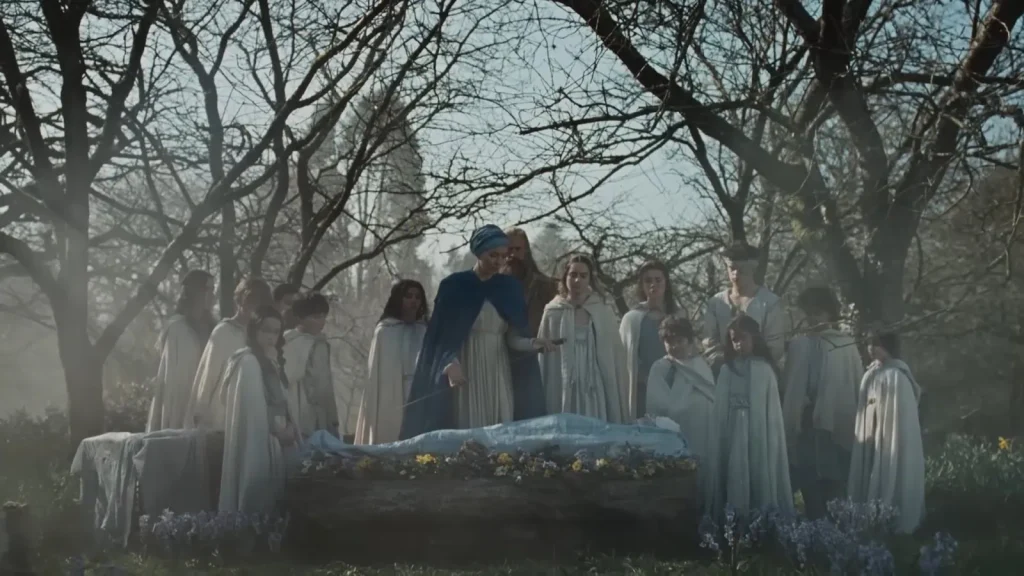
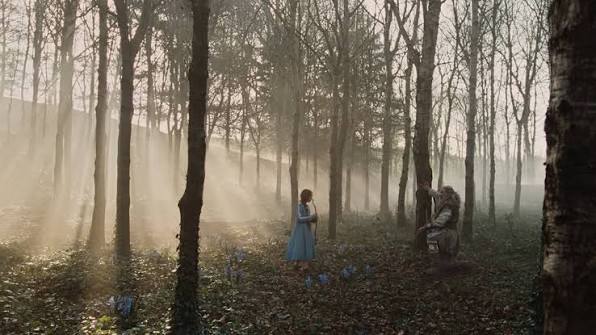
Both Matthew McCarthy’s moody lighting design and Phillip Evans’ sound design are strong in this production, with dramatic illuminations and a discordant cacophony and jazzy-blues music adding to the atmosphere.

Two elements puzzled me. For a story that emphasizes claustrophobia in such small quarters, the set design did not appear so. Patrick Huber favored a nod to mid-century modern décor, with a neon palette more suited to another era or pre-school, that was stretched out on the Grandel stage.

Shevare Perry’s costume design for most of the cast worked fine, but Blanche’s daytime outfits appeared misfitting and Stella’s pants in the opening scene were jarring. Blanche’s flouncy nightgowns and bright red satin robe were just right.

Perhaps those choices were all in keeping with tossing out pre-conceived notions for this production.

Set design by Patrick Huber, lighting design by Matthew McCarthy. Photo by Suzy Gorman.

“A Streetcar Named Desire” maintains its power in Williams’ vivid poetic realism and lyrical dialogue that continues to captivate. While I prefer more emotionally charged character renderings, which was what Blanche aimed for, instead of a detached one like Stanley and Stella, these were choices made for a different take. In real life, D’Amour and Bartley are married.

Williams’ view of outsiders, of deeply flawed humans, continues to resonate some 80 years later, and that’s worth celebrating.

The Tennessee Williams Festival presents “A Streetcar Named Desire” Aug. 7 – 17 at the Grandel Theatre in Grand Center. For more information, visit www.twstl.org

Blanche DuBois (Beth Bartley). Photo by Suzy Gorman.

By Lynn Venhaus

Release the serotonin! The Muny goes big with the glitzy, grand feel-good musical “La Cage Aux Folles” that will make you laugh, gasp and cheer as you walk away uplifted.

The ensemble’s ebullience was a joy to behold. Bon Voyage as we head for entertaining escapades in Saint-Tropez.

Over-the-top is the intention of this pizzazzy production — a gleaming spectacle overflowing with vibrant energy, a bonhomie spirit, snazzy style, rousing renditions of composer-lyricist Jerry Herman’s optimistic score, all layered with Harvey Fierstein’s sharp farcical humor.
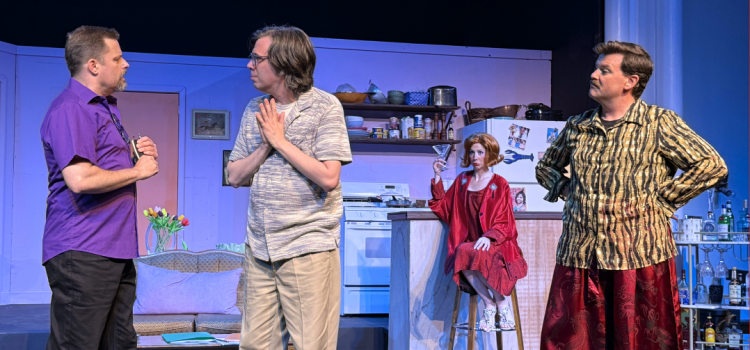
I’m not sure who was having more fun – the actors on stage or the audience. From the opening introduction on, the crowd was eager to be delighted, its mood palpably upbeat.

I was swept away by two of Broadway’s biggest and brightest stars, Norm Lewis as Georges and Michael James Scott as Albin, who make a dynamic duo, their sumptuous vocals soaring into the full-moonlit night. They appeared to be having the best of times.

Michael James Scott (left) and Norm Lewis in the 2025 Muny production of “La Cage aux Folles.” Photo by The Muny | MaryKatherine Patteson

They headline a cohesive cast that’s as committed to excellence as they are – limber in movement, bold and beautiful in appearance, and luminous in song and dance.

Directed with poise and finesse by Marcia Milgrom Dodge, this musical appeals not only in richly textured vocals, but visually with its mélange of Vegas showgirl looks, nods to Moulin Rouge, broad comedy, and dazzling French Riviera setting.

The “Guess Who’s Coming to Dinner?” premise starts with suave Georges, who owns a drag club in the South of France and is in a committed relationship of 20 years with the flamboyant Albin, who is the club’s star drag queen, Zaza.

Georges’ anxious son Jean-Michel (Mason Reeves) pops in for a big favor – he asks that his father pretend to be straight for one night, and his mother figure hidden away, because his fiancé’ Anne (a posh, likable Cameron Anika Hill) has parents that are ultra-conservative. He has invited them to visit.

The priggish future father-in-law Edouard Dindon (Terence Archie) is a well-known right-wing politician opposed to the LGBTQ+ community, and his uptight wife Marie (Allison Blackwell) is all about status. Exposing the same-sex couple could lead to the headline-making shutdown of La Cage Aux Folles (French translation: “The Cage of Madwomen.”)

From left: Troy Iwata, Cameron Anika Hill, Mason Reeves, Terence Archie and Allison Blackwell in the 2025 Muny production of “La Cage aux Folles.” Photo by The Muny | MaryKatherine Patteson

The virtuoso Lewis, who commands any stage with his deep baritone, is silky smooth in his tender solo ballads – the reflective “Song in the Sand” and heart-tugging “Look Over There.” A renowned Broadway veteran, he’s also starred in films, TV and on global stages.

Scott, a graduate of The Conservatory at Webster University who is currently playing the Genie in “Aladdin” on Broadway, is a comedic gem as Albin, radiating theatricality and deep devotion to his family, doting on Jean-Michel.

So, he is hurt by having to pretend he is not gay because he proudly accepts himself. As the initial plan falls apart, he shows he’s willing to compromise, a selfless gesture.

Scott brings down the house with his defiant declaration “I Am What I Am,” a powerfully sung anthem that closes Act One with a flourish. The ovation was deafening.

In another signature song, “The Best of Times,” he solos and leads the group in a sing-along that expands from the actors to the audience, about living happily in the present, a catchy, melodic tune with hopeful meaning that closes the show.

Meghan Murphy in the 2025 Muny production of “La Cage aux Folles.” Photo by The Muny | Emily Santel

Nevertheless, chaos escalates, and hilarity ensues. No matter how many times I’ve seen the movies or the musical gales of laughter are unleashed, and this time was no exception.

The “Masculinity” sight-gag number where Albin tries to act macho, as coached by Georges, is side-splitting, and as the charade eventually collapses in precise physical comedy “Dishes (Cocktail Counterpoint)” provides more belly laughs.

Herman, the legendary composer behind “Hello, Dolly!” and “Mame,” wrote songs that combined humor and heartfelt emotions.

The show features sweet and sentimental moments, with passionate emphasis on acceptance, people trying to hold on to their dignity while others would like to strip it away, and what it means to be a family.

At first sight, I fell in love with the original 1978 French film “La Cage aux Folles,” which was adapted from the same-titled farce by Jean Poiret in 1973. So, when director Mike Nichols teamed up with his old comedy partner Elaine May for a 1996 American remake starring Robin Williams and Nathan Lane, they struck comedic gold with “The Birdcage.” The beloved film has made nearly $200 million at the box office.

The lavish Broadway musical first appeared in 1983, ran for 1,761 performances over more than four years, and was nominated for nine Tony Awards, winning six. It also won for its bigger, bolder revivals in 2004 and 2010.


The Muny premiered the larger-than-life romp in 1986, and now, 39 years later, it’s back with the elaborate splash the largest outdoor theater masters so well.

For her 10th Muny show, Dodge, who imbued a vintage vaudeville vibe to her “Anything Goes” production last summer, leans into the comic calamities in Fierstein’s script, and benefits from a game supporting cast with slapstick expertise.

Norm Lewis (left) and Michael James Scott in the 2025 Muny production of “La Cage aux Folles.” Photo by BreAnna Kay Creative

Troy Iwata, a scene stealer as clog-dancing Ogie in last summer’s “Waitress,” again stops the show with his laugh-out-loud hijinks as Jacob, the couple’s temperamental butler who identifies as the maid. His physical comedy, particularly with the guests’ luggage, combined with his zesty one-liners, are highlights.

Also adept at crisp comic timing is Michael Hartung, who is the nightclub stage manager Francis. This is his 12th Muny show.

In her Muny debut, vivacious Meghan Murphy is chic restaurateur Jacqueline, working the sequins, and providing a solution for a potential scandal. Also making their Muny debuts are the pair playing the pompous Dindons, and Archie and Blackwell dive into their characters’ transformations with glee.

The sparkling ensemble features Leah Berry, Patrick Blindauer, Michael Di Leo, Kylie Edwards, Julia Feeley, Aaron Graham, Cory Hammond, Owen Kent Ing, Madison Johnson, Brian Liebson, Michael Milkanin, Kaylee Olson, Vincent Ortega,  Gordon Semeatu, Duncan B. Smith, Cooper Stanton, Kodiak Thompson, YaYa Vargas, Kyle White, Jonah D. Winston –that includes the sensational Les Cagelles, along with the Teen Ensemble Jayden Jones, Keira Leung, Adaeze Loynd, and Jack Mullen.

The company of the 2025 Muny production of “La Cage aux Folles.” Photo by The Muny | MaryKatherine Patteson

Richard J. Hinds’ inspiring choreography is the cherries on top of a banana split, with flashy promenades and an eye-popping can-can. The dozen “Les Cagelles” are the super-deluxe gender-bending showstoppers – in their rainbow-hued extravagant costumes and glittering headdresses designed by Bobby Pearce, who evidently knows how to make an entrance.

Their looks were enhanced by Tommy Kurzman’s wig designs and makeup designer Heather Aurora Hardin’s bright palette choices.

Music Director Darryl Archibald elegantly conducted the largest Muny orchestra of the season, and their lush sounds captured the score’s emotional resonance as well as its optimistic fervor. Jim Tyler is credited with the orchestrations, and Don Pippin supervised music and arranged vocals. G Harrell arranged dance music.
The stellar creative team collaborated on a 42-year-old show that could be considered an old-fashioned traditional musical – but its freshness and lively interpretation is everlasting. Matthew Buttrey’s scenic design featured ornate risque décor and an austere church-like atmosphere for deep contrasts, while Jason Lyons’ colorful lighting design added glamour, and Kylee Loera and Greg Emetaz video designs filled in locale flavor

Terence Archie and the company of the 2025 Muny production of “La Cage aux Folles.” Photo by The Muny | MaryKatherine Patteson

With its thoughtful themes of family, acceptance and tolerance, this warm and wonderful show is not just flashy fluff, but also shines with authenticity..

In a world that doesn’t always value diversity in families, this musical amplifies real family values. After all, love is love is love is love.

The Muny presents “La Cage Aux Folles” from Aug. 8 to 14 nightly at 8:15 p.m. on the outdoor stage in Forest Park. Its runtime is 2 hours and 30 minutes with a 15-minute intermission. With its adult themes and situations, it is considered suitable for adults and teenagers. For more information, visit www.muny.org.

.

The company of the 2025 Muny production of “La Cage aux Folles.” Photo by The Muny | Emily Santel