
By Alex McPherson
A miraculous filmmaking achievement, “Once Upon a Time in Harlem” provides a cozily textured look at people that shaped the Harlem Renaissance while poignantly speaking to our current times.
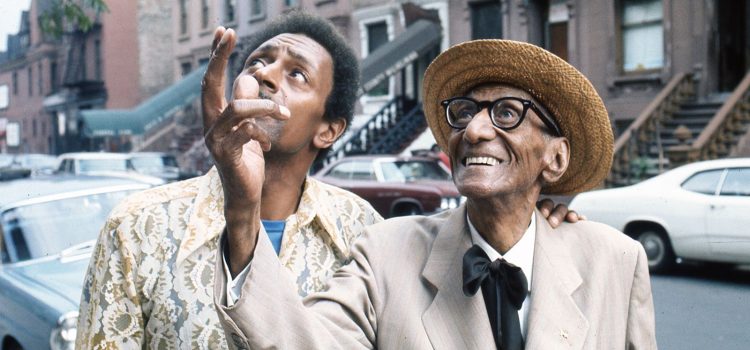
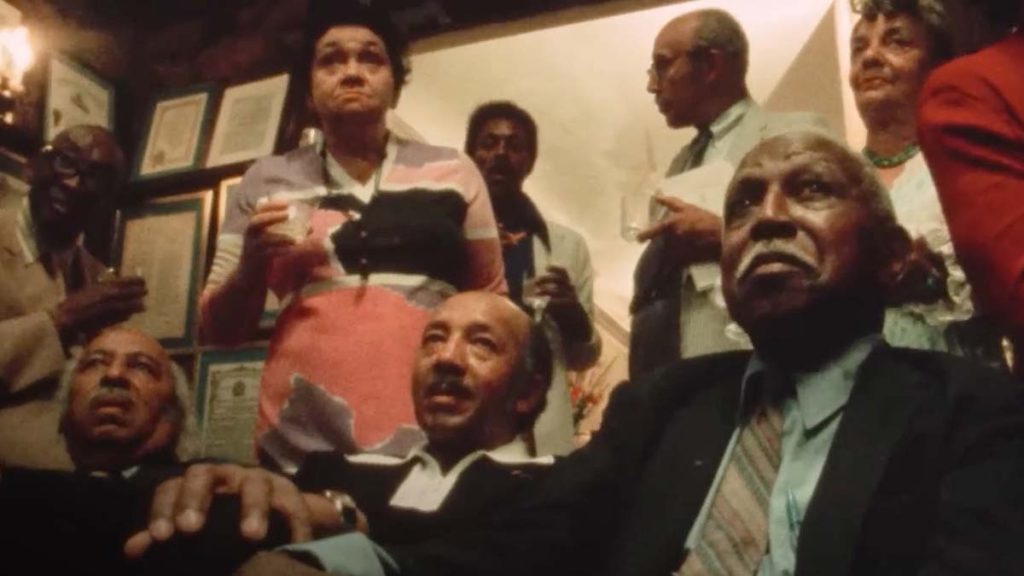
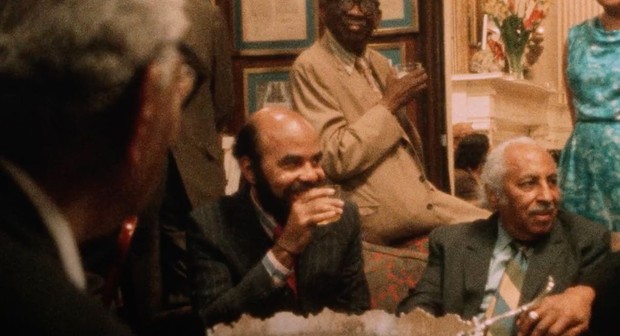
A project over 54 years in the making, the film documents a 1972 cocktail party of Harlem Renaissance luminaries at Duke Ellington’s house that was organized by celebrated filmmaker and director William Greaves.
The guests include Aaron Douglas, Arna Bontemps, Richard Bruce Nugent, George Schuyler, Noble Sissle, Leigh Whipper, John Henrik Clarke, Nathan Huggins, Ted Poston, Regina Andrews, Jean Blackwell Hutson, and James Van Der Zee, among others who contributed to the movement in the 1920s and ‘30s.
The problem was that Greaves lacked the time and funding to see the film to completion, stranding hours of footage in archive limbo. Greaves passed away 10 years ago.
David Greaves, William’s son and part of the camera crew at the initial recording, has now, with the help of his mother, Louise Archambault Greaves, and daughter Liani Greaves, painstakingly compiled and restored the 16mm footage into a finished feature.
Paying tribute to William as well as to the legendary figures getting a chance to share space and converse face-to-face with each other, “Once Upon a Time in Harlem” operates on multiple poignant levels.
We feel invited to an exclusive get-together, where we’re able to listen in and observe these figures as they reflect on their accomplishments and failures and engage in the seemingly long-lost art of nontoxic debate.
Indeed, the film is crisply edited, patient, and nondidactic, beautifully flowing between candid conversations and more traditional interviews. Additional historical footage underscores points without relying on narration — and frequent split-screen editing allows us to witness other people’s sometimes salty reactions.
Greaves and editors Lynn True and Anne de Mare provide an easy on-ramp for viewers not already familiar with these people or the history of the Harlem Renaissance, letting the characters reveal themselves in their own, sometimes conflicting terms.
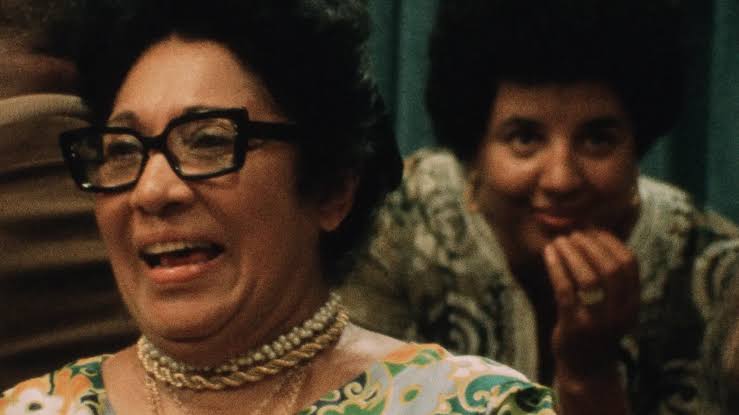
Greaves does an admirable job making us feel like we’re in the room with these people, not just as flies on the wall, but as active participants given space to ponder and consider how their groundbreaking ideas continue to resonate today.
We see portraitist James Van Der Zee preparing to play a grand piano. We hear Leigh Whipper, actor and 95-year-old cofounder of the Negro Actors Guild of America, recite a whole speech from the 1943 film “Mission to Moscow.”
We watch artist Ernest Crichlow look back on how he wound up in sculptor Augusta Savage’s basement studio, and we observe people clash over the legacy of Marcus Garvey — temperaments rising, but never becoming antagonistic, as the punch flows and the nearly four-hour gathering continues on.
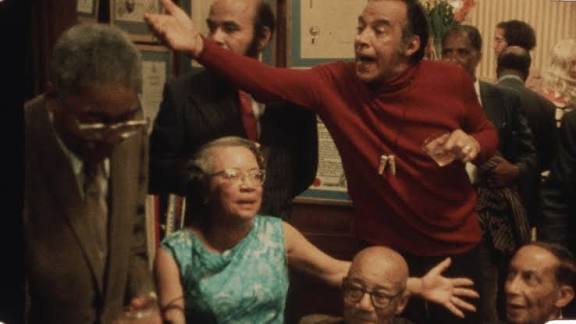
“Once Upon a Time in Harlem” is so full of life and warmth that its runtime could have been extended another hour without complaint. It’s a low-key, yet dense viewing experience that also, in a sense, reminds us of the power of dialogue, whether or not we agree with “the other side.”
The only glaring issue with Greaves’ film is the unfortunate use of about 90 seconds of AI voiceover used to recreate William’s voice. Given the film’s otherwise strict commitment to authenticity, this note rings strikingly false, even going against the art and human-focused philosophies of those being documented. Regardless, “Once Upon a Time in Harlem” is excellent — satisfying in both educational and pure entertainment terms.
“Once Upon a Time in Harlem” is a 2026 historical documentary that was started by William Greaves and finished by his son, David Greaves. It is Rated: PG-13 for some disturbing images, strong racial language, smoking, and brief partial nudity and runs 1 hour, 40 minutes. It had a limited theatrical run and has not been made available yet on a streaming or video on demand service, but you can pre-order it on Prime Video. Alex’s Grade: A-.

Alex McPherson is an unabashed pop culture nerd and a member of the St. Louis Film Critics Association.
