The Critics Choice Association (CCA) Women’s Committee is pleased to announce “Women Talking” (United Artists Releasing) and “The Sex Lives of College Girls” (HBO Max) will receive the Seal of Female Empowerment in Entertainment. Called the “SOFEE,” the Seal recognizes outstanding new films and television series that illuminate the female experience and perspective through authentically told female-driven stories.
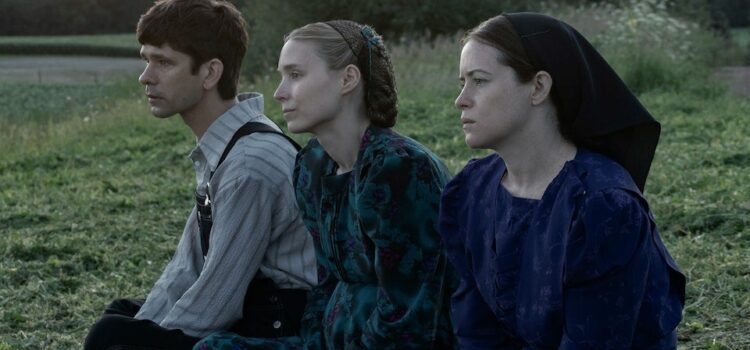
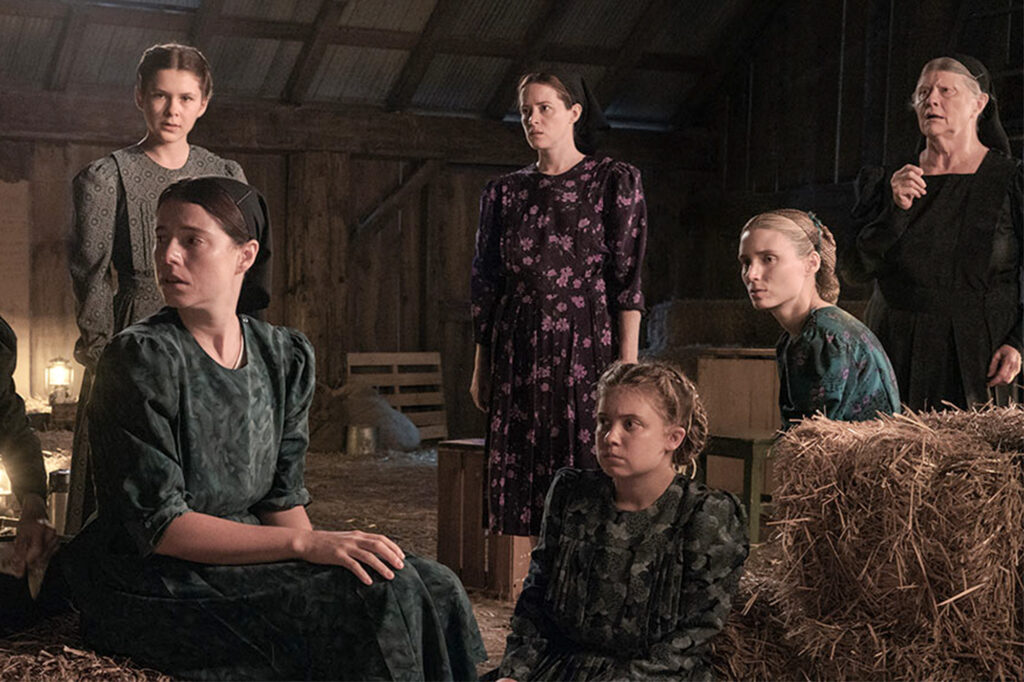
“Women Talking” focuses on a group of Mennonite women who gather to determine what action to take after rampant sexual abuse is condoned by the male leaders of the community. Written, directed, and produced by Sarah Polley from the novel by Miriam Toews, the drama explores the themes of sisterhood, autonomy, and justice through the eyes of women who have lived their entire lives inside a closed, conservative, rural community.
“I am so thrilled our film has been included amongst the incredible films receiving this honor, and so grateful for this initiative to encourage more films that tell women’s stories,” wrote Polley in a letter to the CCA membership. “Sometimes, when embarking on a project like this one, it’s easy to feel lost and unsure. Especially when you are telling a story about a community that has never been told. You must break and remake yourself in the process of finding your true voice. Thank you for creating this seal which helps a lot of us who have been lost to feel seen.”
The Sex Lives of College Girls
“The Sex Lives of College Girls” is a female-led scripted comedy series following four very different freshman girls at a prestigious college in Vermont. Led by a diverse cast that stars Pauline Chalamet, Amrit Kaur, Alyah Chanelle Scott, and Reneé Rapp, these young women juggle their educational aspirations with their newfound freedom and burgeoning sex lives. Created and written by Mindy Kaling and Justin Noble, and with a majority of female writers and directors, the series showcases young women navigating the beginning of adulthood through diverse, relatable and witty stories.
“With diverse female representation behind and in front of the camera, ‘The Sex Lives of College Girls’ is the perfect example of what we are looking for when awarding the SOFEE,” said Tara McNamara, Chair of the CCA Women’s Committee. “Women write and produce the series, and their point of view shines through in the sometimes relatable, always hilarious stories that may bring back cringey memories for many women. The show’s sex positive message is reflected differently for each of the four main characters, allowing women from all walks of life to see elements of their own journeys represented on-screen.”
Both “Women Talking” and “The Sex Lives of College Girls” received perfect scores in the numerical formula that is used to determine if new titles, nominated by CCA Women’s Committee members, are eligible for a SOFEE. Qualifying projects will have a prominent female character arc, give female characters at least equal screen time to male characters, have female leaders behind the scenes, and pass elements highlighted in the Bechdel test. To be considered, new film and television releases must possess an artistic and storytelling value and exceptionality, and score at least 7 out of a possible 10 points in the SOFEE rubric, which can be found at CriticsChoice.com. There are no limits or quotas governing the number of SOFEE seals the CCA may grant.
The Seal of Female Empowerment in Entertainment is issued by the CCA Women’s Committee. Members include Tara McNamara (Chair), Hillary Atkin, Semira Ben-Amor, Christina Birro, Lauren Bradshaw, Jamie Broadnax, TJ Callahan, Natasha Gargiulo, Toni Gonzales, Teri Hart, Laura Hurley, Susan Kamyab, Louisa Moore, Gayl Murphy, Mary Murphy, Patricia Puentes, Christina Radish, Amanda Salas, Rachel Smith, Sammi Turano, and Lynn Venhaus, as well as CCA board member Paulette Cohn.
WOMEN TALKING (2022)
Rooney Mara, Claire Foy, and Jessie Buckley
CR: Michael Gibson/United Artists Releasing
About the Critics Choice Association (CCA)
The Critics Choice Association is the largest critics organization in the United States and Canada, representing more than 600 media critics and entertainment journalists. It was established in 2019 with the formal merger of the Broadcast Film Critics Association and the Broadcast Television Journalists Association, recognizing the intersection between film, television, and streaming content. For more information, visit: www.CriticsChoice.com.
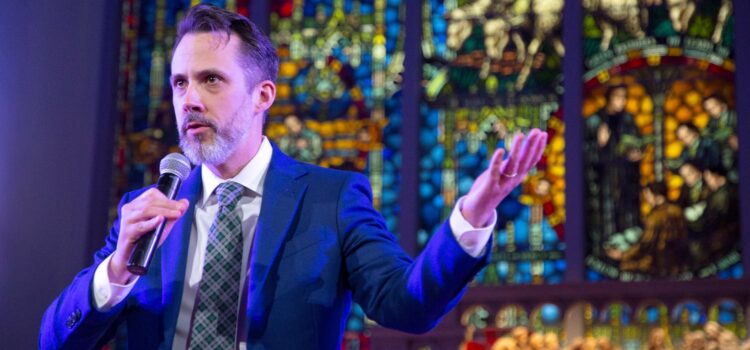
By Lynn Venhaus Playwright Lucas Hnath doesn’t ever flinch, and neither does his lead character, Pastor Paul in “The Christians,” an examination of faith and influence in a 21st century megachurch.
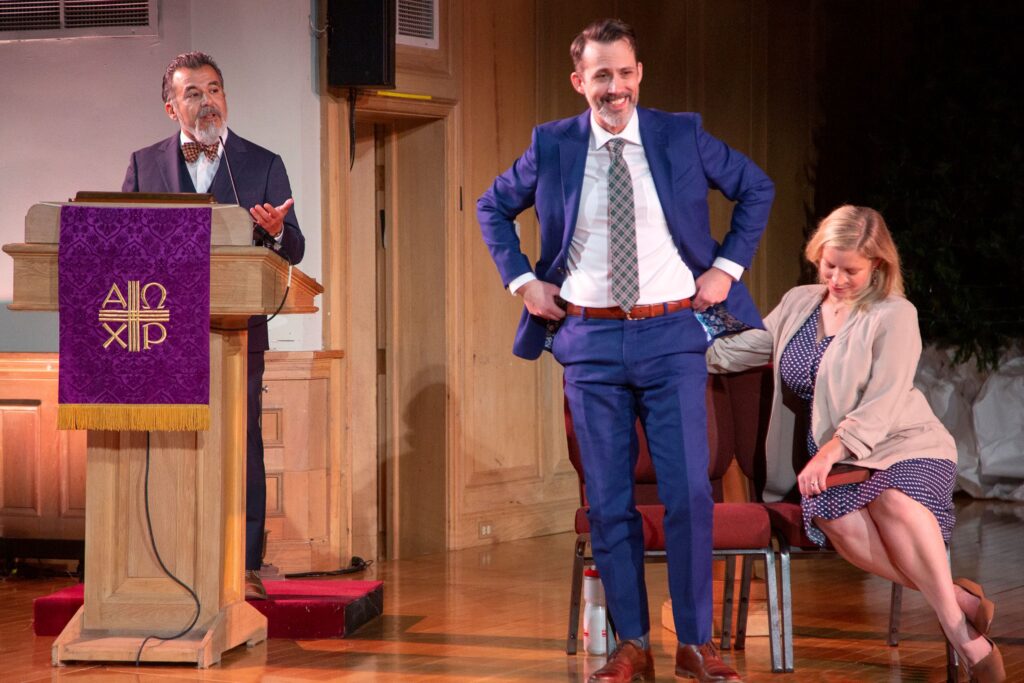
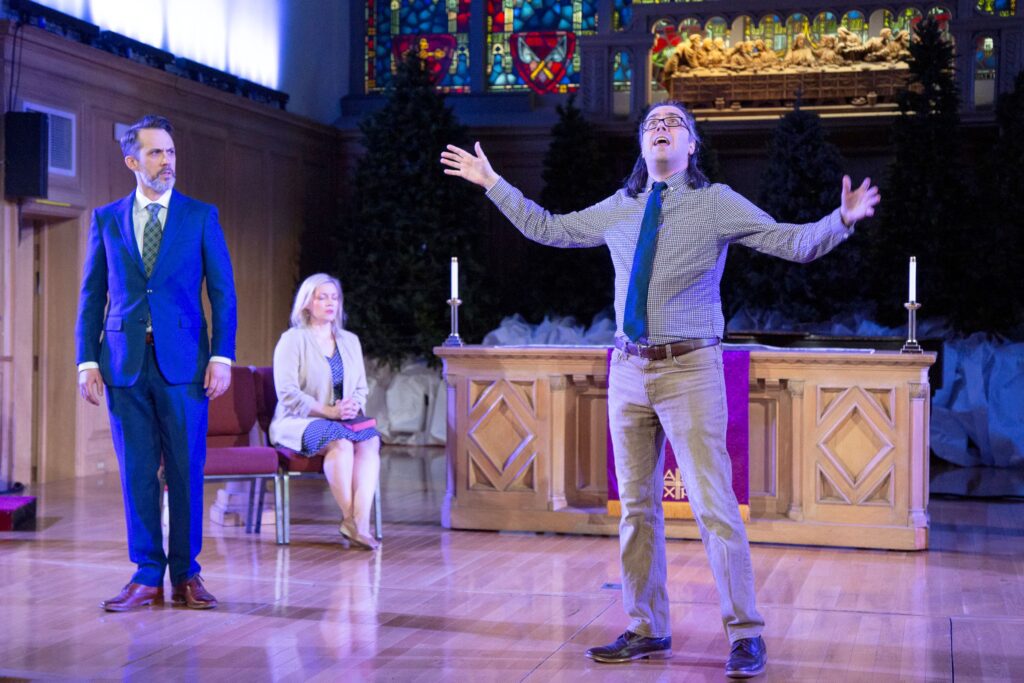
In an innovative move, the West End Players Guild is presenting this thought-provoking drama in the Union Avenue Christian Church, not their usual stage in the basement.
It’s just one of director Ellie Schwetye’s smart moves, and the setting adds an authenticity for this examination of faith and doctrine.
It’s not a typical megachurch plot, where there is often reason to deride piety. The characters are sincere, which makes it more powerful.
Pastor Paul has discarded his church’s traditional fundamentalist Christianity in favor of a more inclusive and universal Christianity. When he announces to his congregation that he has come to doubt a core belief – well, this does not go over well.
He thinks other religions have valid points. Oh, the horror. This rocks everyone to their core. Chaos will ensue.
Ten years ago, his church was a modest storefront, but now it houses thousands, with all sorts of amenities. It’s paid for, and all seems to be going well. How does one man unite a church – and then, suddenly, divide it? Can internal politics tear down things built up with love?
As Pastor Paul, Joel Moses digs deep, showing us his pain over his flock’s revulsion, and how those closest to him turn on him. He’s aghast, for while he expected this sermon to be controversial, the reaction stuns him. Their foundation – and relationships – will crumble before our very eyes.
As this unsettling drama unfolds, the cast is pitch-perfect, making sure each character is not black-or-white, but many shades of grey. Each has a crisis of faith, and this creates thought-provoking content. And interesting confrontations as they all seem at different crossroads.
Joseph Garner is impressive as the associate pastor Joshua, who must stay true to his values. Rachel Hanks is strong as Pastor Paul’s faithful wife Elizabeth — but begins to doubt so much about their relationship and work. And then loyal parishioner Jenny, played by a fiery Chrissie Watkins, must speak her truth. Michael Byrd has a small role as Elder Jay.
Hnath, a favorite of West End Players Guild, first produced “The Christians” at the Humana Festival of New American Plays in Louisville, Ky., in 2014. It premiered off-Broadway at Playwrights Horizons in 2015, and then had its Chicago premiere at Steppenwholf Theatre Company in 2016. He is the son of a minister.
Among its accolades – “The Christians” was nominated for two 2016 Drama Desk Awards, for Outstanding Play and Outstanding Actor in a Play, and then nominated for the 2016 Lortel Award for Outstanding Play and Outstanding Lead Actor in a Play. It won the 2016 Outer Critics Circle Award as Outstanding New Off-Broadway Play
This production is a St. Louis premiere, and is one of the strongest dramas of the year.
West End Players Guild presents Lucas Hnath’s The Christians Dec. 2-11 at Union Avenue Christian Church, 733 Union in the Central West End. For more information: westendplayers.org.
On the same first weekend of December 2022, the New Yorker magazine published a cartoon depicting a couple in a theater, clutching programs as others around them departed. The husband says to the wife, “Whose idea is it to start with the ‘Hallelujah’ Chorus?” This coincided with the St. Louis Symphony Orchestra and Chorus’s performances of one of George Frideric Handel’s masterworks, his oratorio “Messiah.”
I generally do not “review” an audience’s engagement with a performance, but with the New Yorker cartoon in mind, I’m safe stating that the respectful and enthusiastic audience would have stayed for all of score’s 57 numbers, even if rearranged with an opening “Hallelujah.”
Although originally intended for the Christian season of Lent, “Messiah” has morphed into a staple of high culture Christmas entertainments, along with Tchaikovsky’s “Nutcracker” and Dickens’s “A Christmas Carol.”
But seasonal ubiquity shouldn’t diminish the sheer beauty of this music experience, which Handel feverishly composed in just 24 days in 1742. I have no proof, but I am convinced that the compressed composition process contributes to the cohesive, “of a piece” nature of “Messiah.” Artistic constraint often enhances creativity.
Laurence Cummings
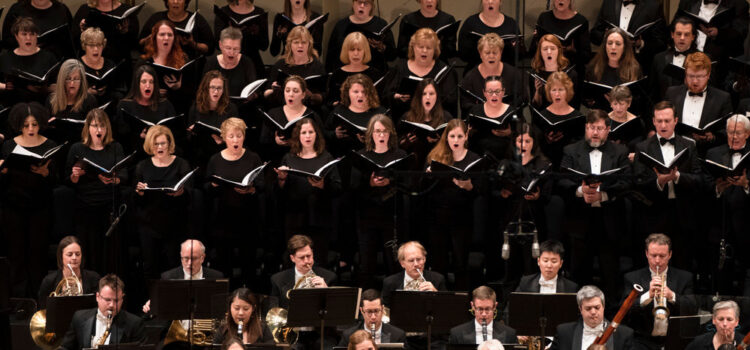
The SLSO’s performance on Dec. 4, under the baton of guest conductor Laurence Cummings proved that “Messiah” when well-performed continues to deserve its place as one of the most famous, canonical and widely shared pieces of music – classical or otherwise. Cummings is a British conductor and specialist in historical performance, especially the Baroque era. At Powell Hall, he led the orchestra and chorus from one of two center stage harpsichords. The other was played by Mark Shuldiner. The excellent-as-always chorus was led by the also-excellent guest choral director, Patrick Dupré Quigley.
There’s room in Handel’s score for plenty of interpretation and emphasis. Cummings chose to elevate the score’s reverential Passion theme, which proved a welcome antidote to the holiday season’s usual predilection for exuberant celebrations. There was still plenty of that celebratory spirit during the stand up for the “Hallelujah” chorus and the robust final ovations.
The reverential was also evident in the way the four soloists, seated two to a side, approached the front of the stage with deliberate gravitas. The cadre of soloists were soprano Amanda Forsythe, countertenor Key’mon Murrah, tenor John Matthew Myers and baritone Jonathon Adams. All were well-matched and well-attenuated with the orchestra and chorus. Of the four, Forsythe and Murrah were the most stylish and powerful, though this might partly be because of their respective parts. The voice of baritone Adams’s voice was muddled and lost a couple of times during his solos, especially at their beginnings, but this was not off-putting.
The SLSO’s 2022 interpretation of “Messiah” was the total package for a fulfilling performance that bundled the sheer beauty of the music, Handel’s incredible skill as a c composer, a well-aligned symphony and chorus and confident soloists. To borrow a phrase from another, Grinchier annual holiday treat, “Welcome Christmas. Bring your cheer.”
Another year, another Handel’s Messiah at Powell Hall
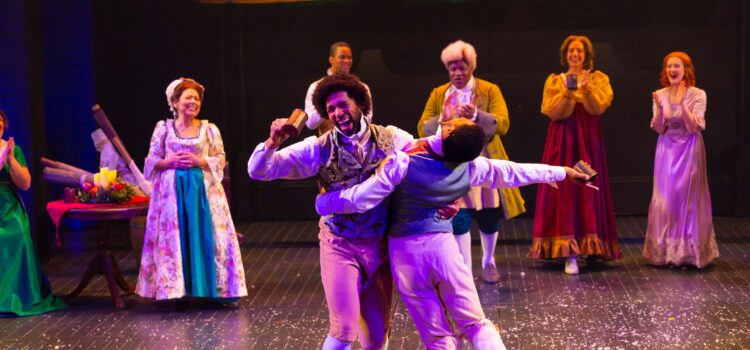
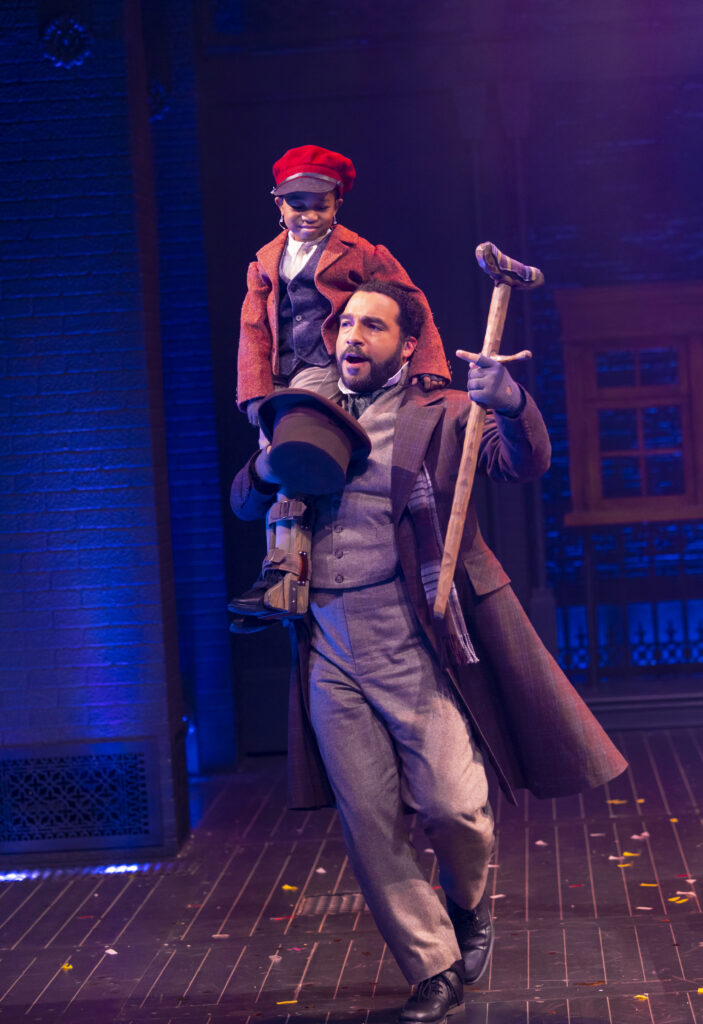
Remember that commercial from the late 80s with the tagline, “This is not your father’s Oldsmobile?” The Repertory Theatre of St Louis’s production of “A Christmas Carol” is kinda like that. This is not your father’s, or grandmother’s (or your crazy Aunt Millie’s) adaptation of this Dickensian tale of Ebenezer Scrooge’s war on Christmas. As you survey St. Louis’s rich assortment of holiday offerings (and there truly is a cornucopia that runneth over), this production entices with a shiny, progressive reboot of this Christmas chestnut.
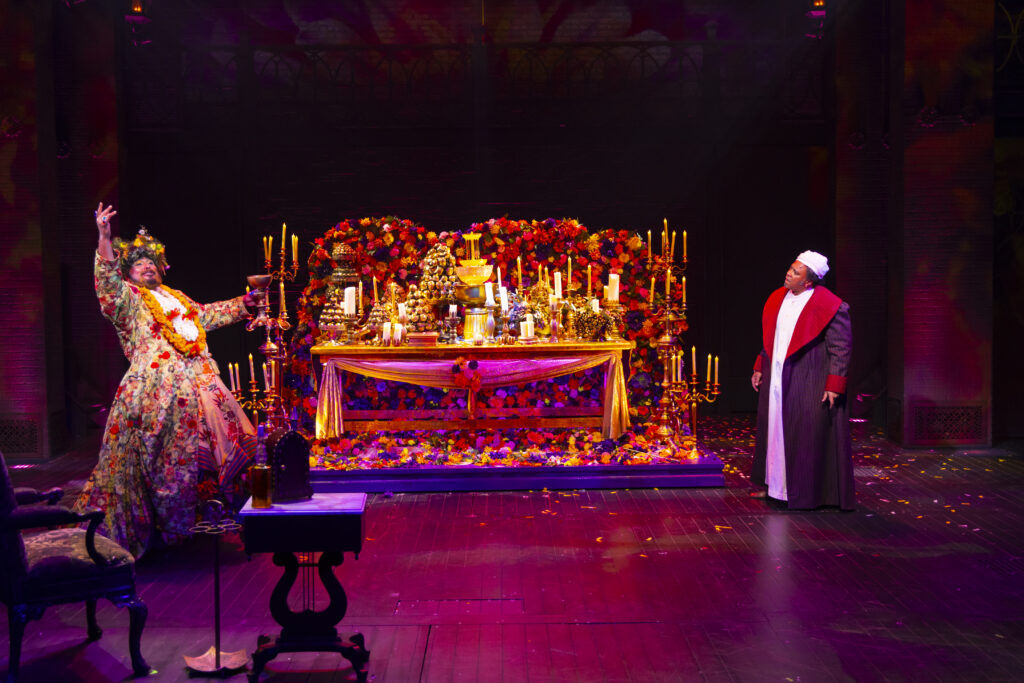
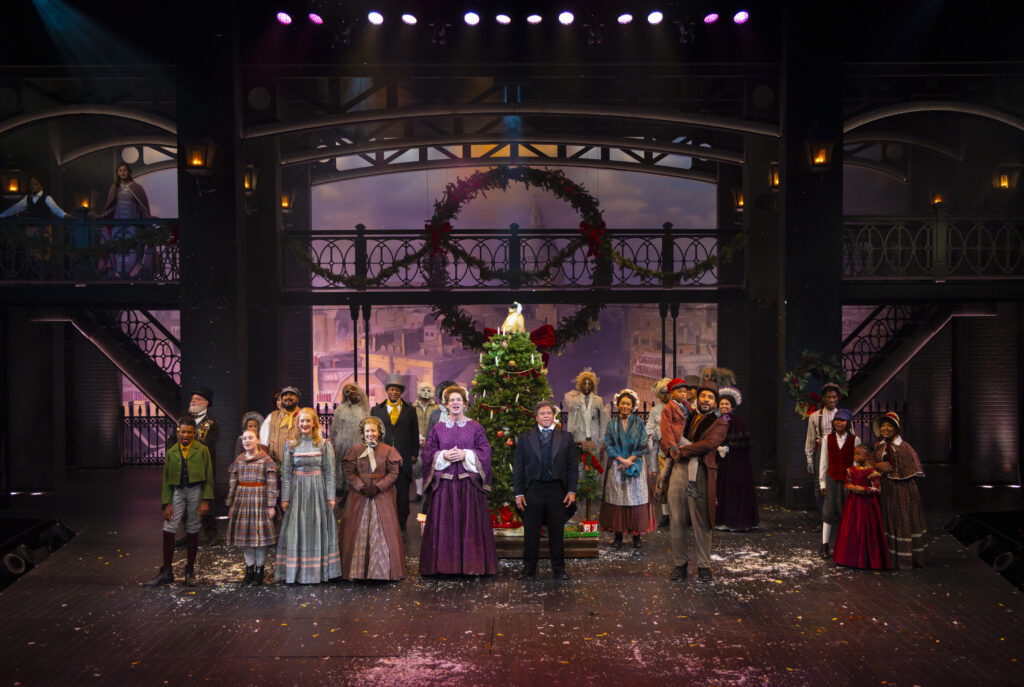
It’s a new spin on “A Christmas Carol” that’s perfect for those with short attention spans. This adaptation treats the story of Scrooge’s transformation as the plain evergreen upon which the shiny baubles of scenic design (Tim Mackabee), lighting and projections (Seth Reiser and Hana S. Kim), costumes (Dede Ayite), choreography (Kirven Douthit-Boyd) and hip hop choreography (Robert Crenshaw) are hung. Bringing youthful energy to the production are the Webster University conservatory cast, the Big Muddy Dance Company dancers, whose ghost dancers add much to certain key scenes, and a youth ensemble from the Center of Creative Arts.
By flattening the well-known story line whose lead character has been represented by everyone and everything from Alastair Sim and Michael Caine to Bill Murray and Mr. Magoo, this adaptation by Michael Wilson (the same as last year’s) embellishes the story of Scrooge’s transformation with new characters and scenes not in the Dickens novel.
Upon each of the story’s key moments – Marley’s appearance, visits by the three Spirits, the Cratchit family’s penury, etc. – director Hana S. Sharif hangs contemporary dance numbers, special effects and humorous asides among all the dark, dank Victoriana. The dance is an especially effective component of this adaptation; the inconsistent use of modern colloquialisms – not so much.
The result is a Whitman’s Sampler of a production that tries too hard to provide a little something for every taste. And like that holiday box, there’s all sorts of chocolates, including a rap-infused “O Come All Ye Faithful,” a Marley who flies up from beneath the stage like a spectral Peter Pan, a dance number that includes The Worm, and a Ghost of Christmas Yet to Come that’s part-Mad Max, part-Blade and part-Gimp from “Pulp Fiction.”
The latter makes his NFL-inspired entrance complete with hoverboard and ravers glasses. This ghost’s entrance is certainly impressive but calls too much attention to itself and pulls you out of the story. It also undercuts the emotional impact of Scrooge recognizing his tombstone – the climax of the story.
The same holds true for the final scene (not in Dickens’s original) with Scrooge hosting a party. This is a well-intentioned addition that hopes to highlight the new, improved Scrooge, but which borrows too much from the final scene in the “White Christmas” movie. It also weakens the intent of Dickens to use this story to examine the plight of the disadvantaged. As Scrooge promises the Ghost of Christmas Yet to Come, “I will honor Christmas in my heart, and try to keep it all the year. I will live in the Past, the Present, and the Future. The Spirits of all Three shall strive within me. I will not shut out the lessons that they teach!”
Sharif adds another complexity to this production by double casting of most of the key roles. It was fun (and impressive) to see the way Laakan McHardy played both a doll seller and the Ghost of Christmas Past (the best of the portrayals of the spirits) and Paul Aguirre went from a refreshments vendor to a vampy, over-the-top Christmas Present. Michael James Reed also played double duty as Mrs. Dilber (Scrooge’s housekeeper with shades of “Mrs. Doubtfire”) and the spectral Jacob Marley – how’s that for range!
The roles of Scrooge and Bob Cratchit are played by Guiesseppe Jones and Armando McClain, respectively. McClain provides one of this production’s best and most consistent and balanced portrayals as the long-suffering Cratchit. Ultimately, “A Christmas Carol” hinges on the portrayal of Scrooge. Jones displays an impressive range, which he definitely needs in this adaptation that pivots (sometimes to distraction) from lightheartedly humorous to full-on King Lear-level theatricality. As impressive as Jones was in all his scenes, his performance was often too self-contained and lacked chemistry with the other actors.
Overall, this production is designed with lots of wow-factors to defy you to call it anything but bah-humbug. The success of this approach depends on how you like your Scrooge served up. If you’re seeking the more traditional, ye merry ole England version (I remember one from my youth that included real basset hounds on stage), this isn’t that. To its credit, this adaptation avoids the saccharin Timmy-fell-down-the-well savior sub-narrative of so many other productions. And, it brings a modern sensibility to this timeless, still all-too-relevant story.
The Repertory Theatre of St. Louis presents “A Christmas Carol” November 19–December 30 at the Loretto-Hilton Center, 130 Edgar Road, St. Louis. For tickets or more information, visit: www.repstl.org.
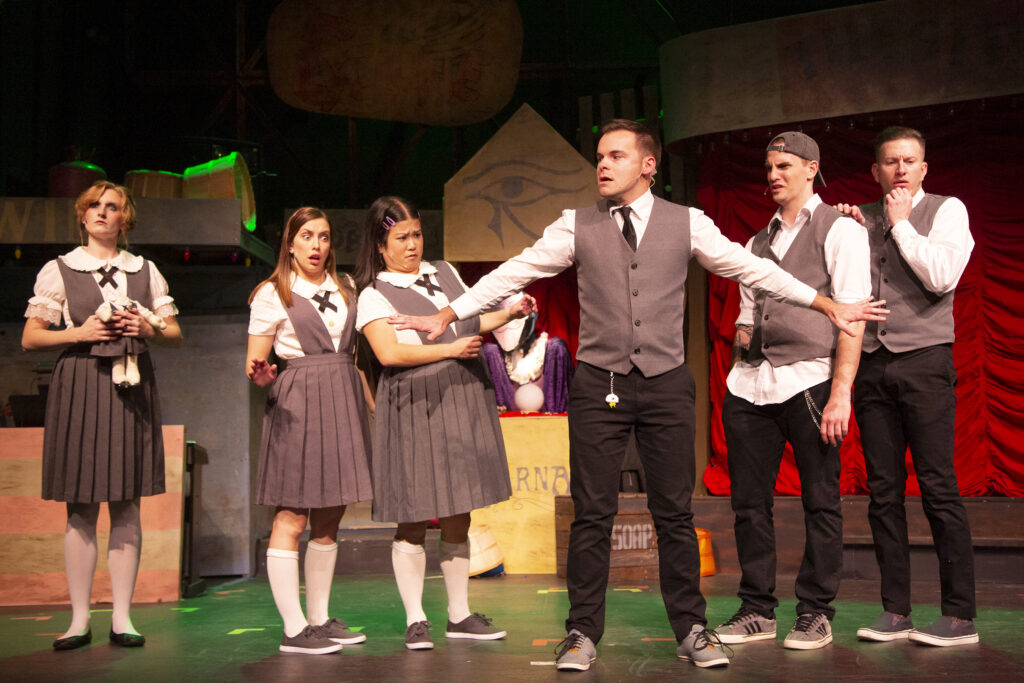
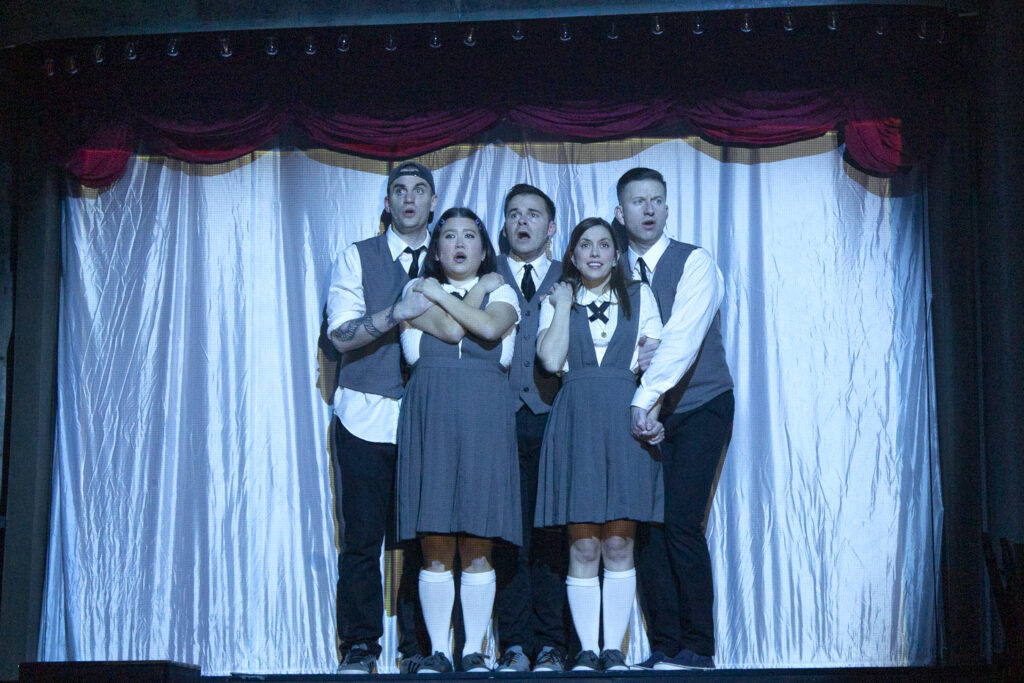
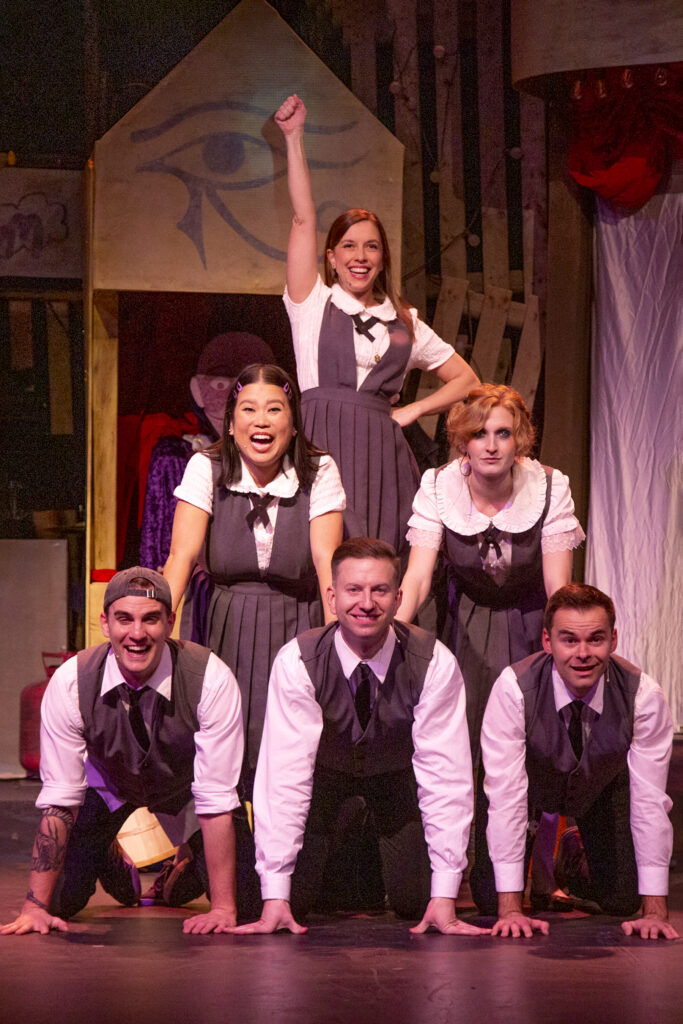
A little bit of horror and a lot of hilarity ensues in the madcap cult musical “Ride the Cyclone: The Musical,” now playing in a festive amusement park-like atmosphere at the Tower Grove Abbey.
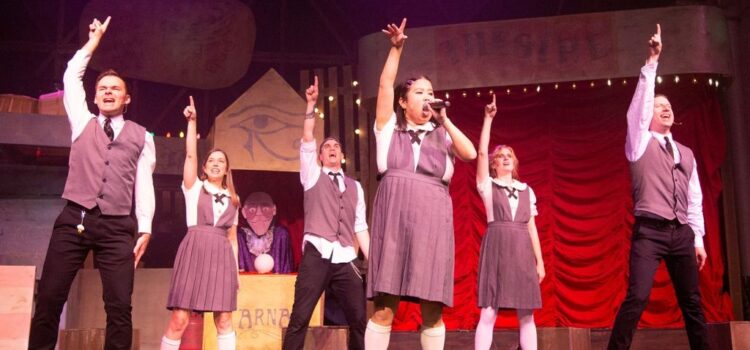
For those unfamiliar with this musical comedy by Jacob Richmond and Brooke Maxwell, six peppy performers portray teenagers from a Canadian parochial school chamber choir whose lives are cut short in a freak accident aboard a roller coaster.
And that’s not the only thing freaky in this zany production that has a distinct viewpoint about the universal mysteries of life, death, and the afterlife – mostly funny, but sometimes sad, and surprisingly touching.
After they wind up in Limbo, a mechanical fortune teller, The Amazing Karnak, offers the dead kids a chance to return to life – but only one will be selected in this strange game of survivor. So, each tells their stories of living in Uranium City, Saskatchewan, and of their experiences at St. Cassian High School.
Five are kooky variations of John Hughes-like characters while the sixth, Jane Doe, was decapitated in the calamity and her body wasn’t claimed. Dawn Schmid plays the mysterious and ethereal outlier, showcasing her elegant voice in the opening number “Dream of Life” and later, “The Ballad of Jane Doe,” in which she talks about not knowing her identity.
The other five try to set themselves apart, and they accomplish that. This is a merry band of accomplished performers who make each character their own.
Photo by John Lamb
Eileen Engel, channeling Reese Witherspoon’s Tracy Flick character in “Election,” is the classic annoying over-achiever who is so certain she should be spared – and is snide in her comments to others, her entitlement front and center. Her name Ocean O’Connell Rosenberg. Seriously. Her catch phrase is “Democracy rocks!”
Her number, “What the World Needs,” brings out her personality traits and she leads the ensemble on “Every Story’s Got a Lesson.”
Riley Dunn may be having the most fun on stage as a very angry adopted young man, Mischa Bachinski, from the Ukraine. He’s an aspiring rapper, so of course, he must show off in “This Song is Awesome” and then display his softer side when recalling his internet girlfriend “Talia.”
In death, Stephen Henley’s earnest Ricky Potts, mute with a degenerative disease — catch phrase “Level Up!” — apparently has a new lease on life, as he is no longer disabled, and thrives with his discovered abilities. Part mensch, and pure team player with an overactive imagination, he sure has fun in his fantasies with “Space Age Bachelor Man.”
Grace Langford is eager-to-please Constance Blackwood, who is upset that she’s always labeled “nice,” has a love-hate relationship with her hometown and has a secret to later share. (And it’s a doozy). She belts out “Jawbreaker” and then after she changes her mind, “Sugarcloud.”
Mike Hodges has done double-duty as choreography and performer, and he gets to be outrageous as a gay kid in a small town who has never encountered anyone in his tribe. His saucy “Noel’s Lament” is the bawdiest number.
“The Other Side” is a spirited introduction.
The choreography is a delightful mix of “High School Musical,” “Cabaret,” “La Cage aux Folles,” even shades of “Cats,” and contemporary music videos.
The kids take a break from their “Look at Me!”attitudes to sing the tender “The New Birthday Song” to Jane Doe.
Engel also does double duty, as costume designer, with looks that run the gamut from the drab Catholic school jumpers to Hodges’ more risqué outfits
A well-known local actor voices Karnak, and his narration is superb. The program doesn’t reveal who he is, so I’ll keep that quiet until we’re allowed to share, no spoiler from me.
The musical was first performed in 2008, but did not have its American premiere, in Chicago, until 2015, and then mounted off-Broadway the next year.
It has developed a cult following, somewhat like “The Rocky Horror Show,” and audience members came from several different states, whooping it up, their enthusiasm contagious.
This is a fast-paced show – 90 minutes without an intermission. While it flows smoothly, a tremendous amount of difficulty is apparent because of the level of stage craft, but it’s all handled with aplomb.
Photo by John Lamb
Director Justin Been has cleverly staged the intricate movements, with timing a crucial element, and skillfully coordinated the moving parts – as there are many cues for sound, lights, and special effects. Many video projections are used, too, snapshots from their lives.
Longtime tech creative Tyler Duenow has masterfully taken the lighting design to new heights — a terrific mix of spooky, strange and status quo, while sound designer Jacob Baxley’s crisp work is noteworthy too.
Scenic designer Josh Smith has appointed the small space well, with the Karnak a creepy standout (not confined to a glass case like in “Big.”)
The witty script leans towards the sarcastic, with some laugh-out-loud observations, Been, along with his cast, has enlivened the show with up-to-date references (script allows it)
The band is onstage and appears to be having fun. Led by music director Leah Schultz, who also plays piano and recorder, musicians include Michaela Kuba on bass and cello, Adam Rugo on guitar and Joe Winters on percussion.
A macabre and mirthful show might not evoke the spirit of Christmas, but it sure spread joy to the world in Tower Grove Abbey – a cheering audience, exuberant cast and top-of-their game creative team made it a pleasant holiday-time diversion.
Stray Dog Theatre presents “Ride the Cyclone: The Musical” Thursdays through Saturdays December 1-17, with additional performances on Sunday, Dec. 11, and Wednesday, Dec. 14, both at 8 p.m., at the Tower Grove Abbey, 2336 Tennessee, in Tower Grove East. This show contains mature language, smoke effects, strobing lights, and sudden loud noises. Masks are not required but encouraged. For more information or for tickets, visit www.straydogtheatre.org.
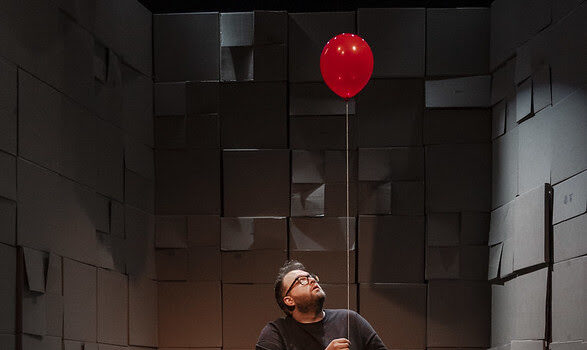
A fascinating piece that combines intricate magic feats with intimate storytelling, “Forget Me Not” is an uncommon presentation.
Illusionist Kyle Marlett engages with an original and autobiographical one-man show that is much more than sleight of hand magic tricks and stunning visuals. As nifty as those inspired bits are, they are part of a bigger picture.
This is not your flashy extravaganza with pulsating music and fancy lighting that you often see as show biz spectacles — nor is it lacking artistry. Quite the contrary. It’s a one-of-a-kind rumination on learning, living, and leaving a mark, done with tender care.
This ambitious production appears to be a solo enterprise, but it’s not, for he has an accomplished cohort. Gunnar Sizemore, an actor who has appeared as Micah in the TV series “Nashville,” is Marlett’s co-creator. He is a director and voice actor, too, known for voicing Bao in the TV series “Kung Fu Panda: The Paws of Destiny,” among others.
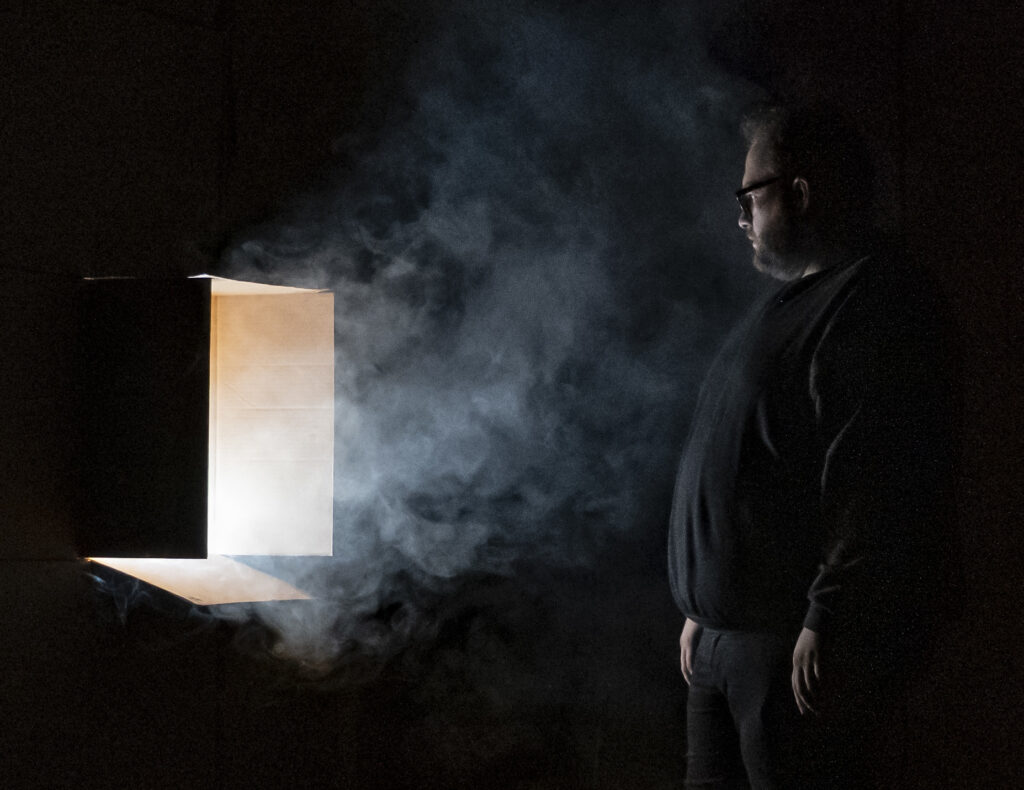
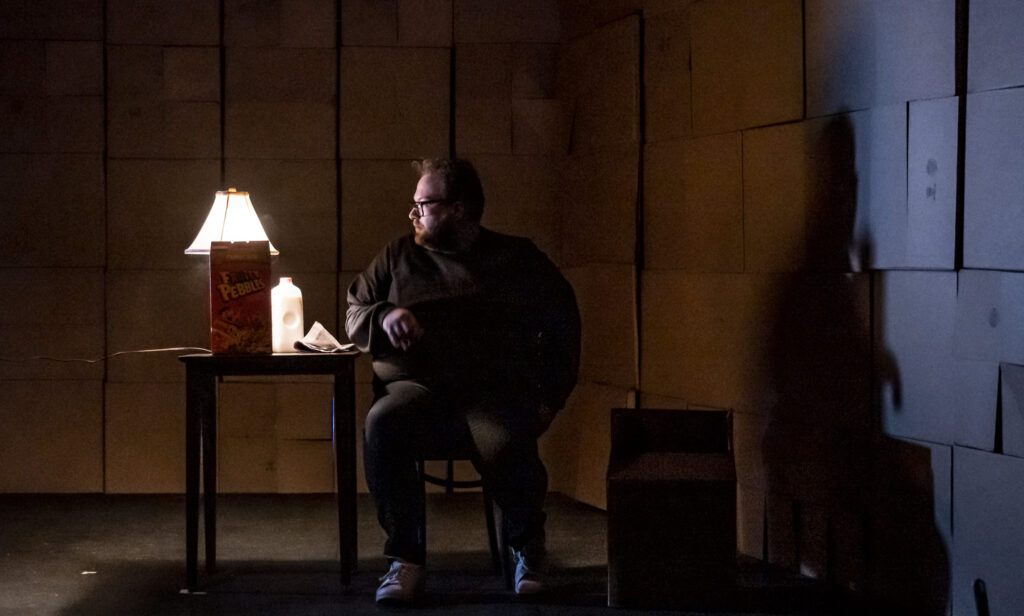
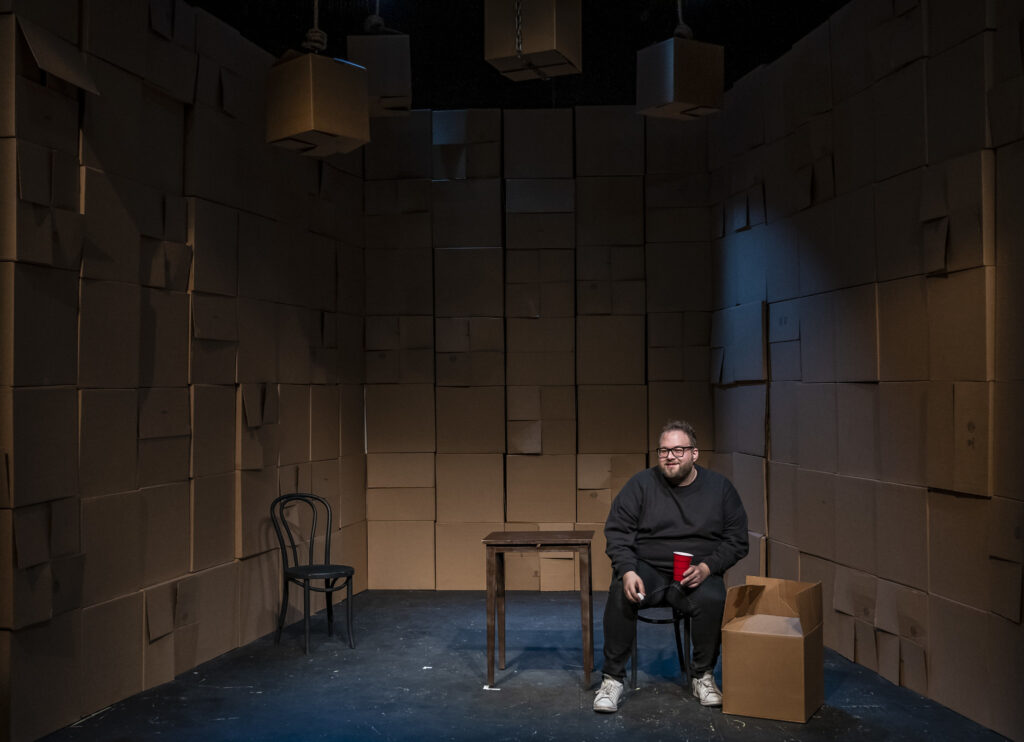
The unusual set design – walls of boxes, some opening for effect, was co-designed with Patrick Huber. Several boxes hang from the ceiling, and are timed to drop as part of the show.
Kyle Marlett “Forget-Me-Not”
The subdued atmosphere includes low lighting and smoky effects, and the sound is soft. Huber was the lighting designer, too, and Marlett designed the sound.
Wearing his heart on his sleeve, Marlett shares his life story in a measured tone, with striking visual flourishes along the journey – such as recounting the times he and his brother shared giant bowls of cereal after school.
He has been estranged from that brother because of drugs. His brother’s woes and his father’s alcoholism didn’t make for a happy childhood, and he grew up escaping into his own fantasy world.
Magic enthralled him from the get-go and determined his path. His story’s unique, yet familiar, and that’s the endgame goal here – to engage people in a memorable way.
It’s doubtful that you’ve seen anything like it before. I know I haven’t.
Marlett has more than 1.5 million followers online and has been on such television shows as “The Tonight Show,” “Penn and Teller’s Fool Us,” and “RuPaul’s Drag Race.” He has also produced magic for movies and streaming series. A few years ago, he appeared at The Gaslight Theatre “in a very different show,” he told me.
Now, this show’s purpose is to focus on more meaningful connections. You know, the heavy stuff – Why are we here? What happens after we’re gone – who will tell our stories? What impact can we have? The clock is ticking, so how do we go about being remembered?
Marlett respectfully asked the audience for their thoughts, and to share some details, while he incorporated magic into the structure. Without razzle-dazzle, they were quite impressive – and the audience reacted warmly.
This is a departure from the customary fare at St. Louis Actors’ Studio but follows that theme of connection that’s been ever-present in our post-pandemic (well, post-vaccine) world.
The feeling of a shared experience, like live theater represents, remains.
The St. Louis Actors’ Studio presents “Forget Me Not,” Dec. 3-18, Thursdays through Saturdays at 8 p.m. and Sundays at 3 p.m. in The Gaslight Theatre. It is 75 minutes without an intermission. Box office 314-458-2978 or www.ticketmaster, or one-hour before each show. For more information, visit www.stlas.org or contact [email protected].
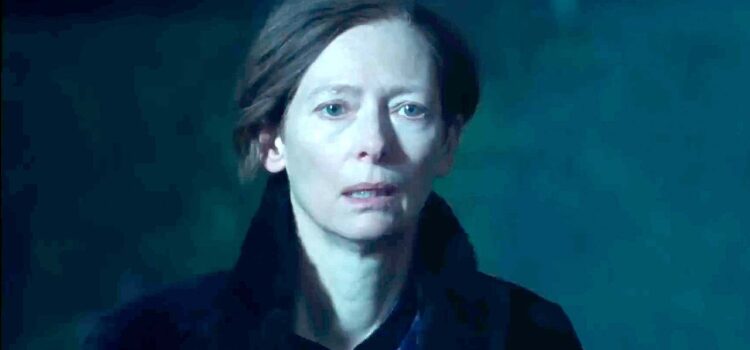
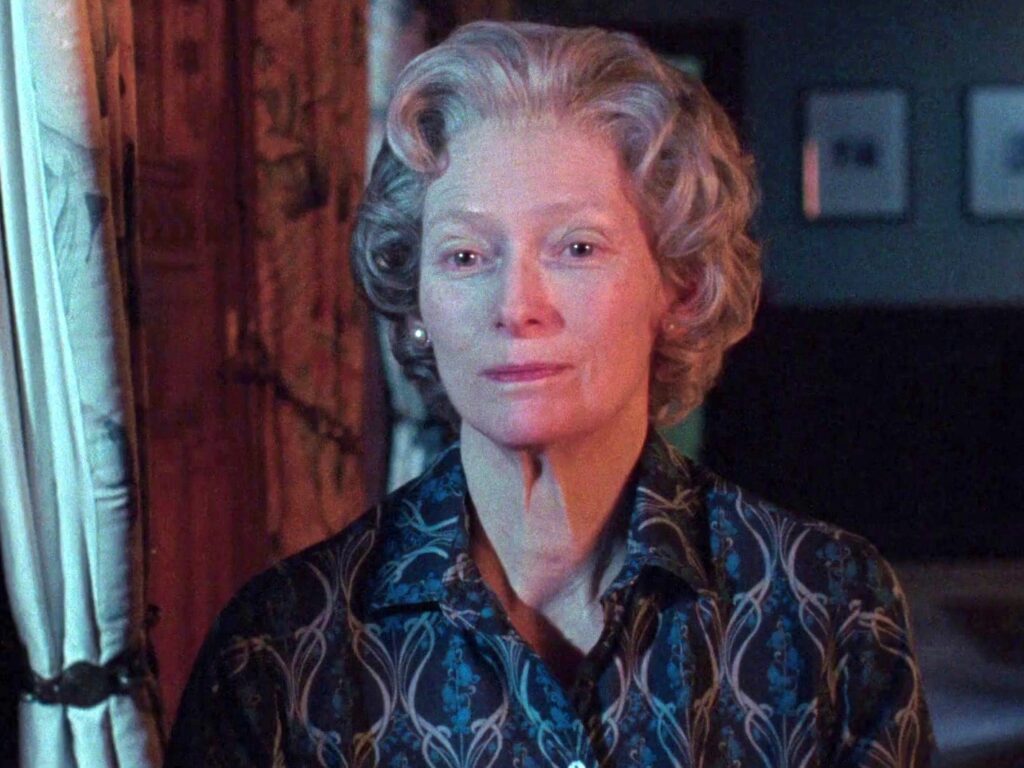
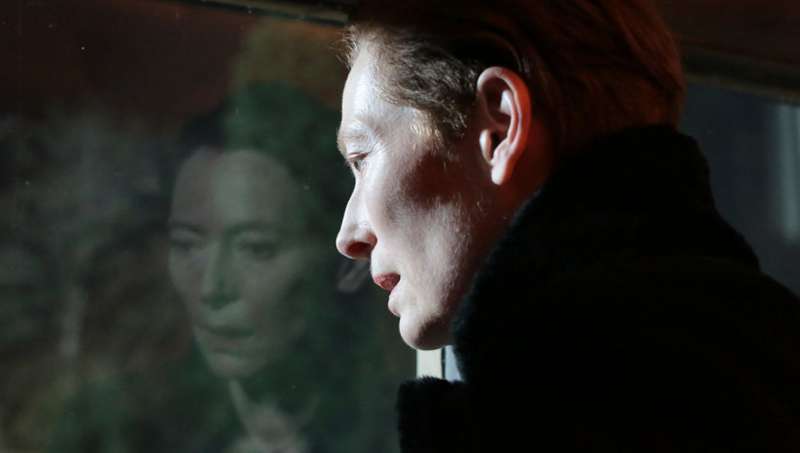
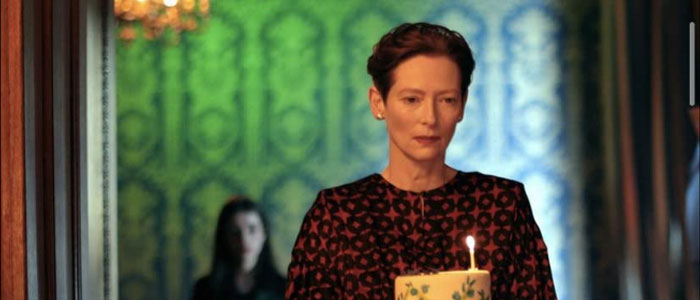
Moody, enigmatic, and unnerving, director Joanna Hogg’s “The Eternal Daughter” is a stylistically ingenious ghost story — featuring Tilda Swinton in dual roles — albeit one that doesn’t land all the emotions it aims for.
The film centers around Julie Hart (Swinton), a filmmaker traveling with her mother, Rosalind (Swinton, with a luscious wig), and her adorable dog, Louis (Swinton’s actual dog), to a countryside hotel in Wales to celebrate Rosalind’s 80th birthday and to surreptitiously write a screenplay inspired by Rosalind’s life.
Rosalind used to spend time at this sprawling estate as a child when her Aunt Jocelyn owned the building during World War II; she associates memories of both joy and sadness within the aged walls. Still, however, the hotel isn’t exactly the most inviting abode — surrounded by jagged woodlands and perpetually draped in a thick fog that threatens to consume anyone within reach. The blustering wind howls through the foundation like a spirit’s cry for help and release.
Upon arrival late one evening, Julie and Rosalind appear to be the sole guests staying there — with only a hilariously passive aggressive receptionist (Carly-Sophia Davies) to greet them. Julie has other things to worry about. These include being able to learn more about the woman she’s spent so much time trying to connect with, yet knows so little about, who she’s mining for her own creative endeavors.
Their usually banal interactions about Rosalind’s experiences, or what to simply order for dinner, allude to deeper anxieties and insecurities. Additionally, whenever Julie tries to focus and write, she’s interrupted by strange noises emanating from somewhere in the hotel, as if the building itself is a living entity trying to dissuade her project.
A mystifying tale ensues, but Hogg (whose previous filmography includes the somewhat autobiographical “Souvenir” films) isn’t interested in scaring viewers. Rather, “The Eternal Daughter” uses its eerie atmosphere to explore themes of grief, acceptance, and the creation of art itself — of how it works as a preservation of memory and a means to confront life’s challenges.
“The Eternal Daughter” thrives off slow-burn paranoia that immerses viewers into Julie’s increasingly disoriented headspace. From ominous bumps on the floor above, to machines suddenly whirring to life, and doors literally groaning as they shut behind Julie, Hogg succeeds at creating an off-kilter environment that keeps viewers on edge.
Jump scares are nowhere to be found. Rather, thanks to tactile sound design, distanced yet meticulous cinematography by Ed Rutherford dripping in gothic stylings, and a creepily melodic score by David Saulesco, “The Eternal Daughter” is a psychological chiller that has absolutely no qualms about alienating viewers with short attention spans. It’s deeply immersive from start to finish — letting viewers cautiously wander Julie’s unfamiliar surroundings with her, as she slowly searches for some unknown source that grips her thoughts.
Of course, Swinton’s performances (as both Julie and Rosalind) are exemplary: understated and subtle. Julie’s a tormented character — immersed in her filmmaking work, to the detriment of her social life, without children of her own, and grappling with the reality that Rosalind won’t be with her much longer. She also feels guilty about secretly recording their conversations, “intruding” where she feels she doesn’t belong. Swinton captures Julie’s high-strung demeanor while also showing the widening cracks in her facade.
Rosalind, on the other hand, is concerned about Julie, but keeps her true feelings subdued — illuminated in brief remarks that, despite their plainness, hit the sensitive Julie like a truck. The bizarre nature of the casting decision quickly fades away, as Swinton fully inhabits both characters and renders them distinct, yet cut from the same cloth nevertheless. It underscores the idea of Julie being unable to separate herself and her well-being from her mother — for better and worse, she struggles to accept the inevitable.
Hogg’s screenplay succeeds (for the most part) at weaving dark comedy and pathos into the proceedings — the aforementioned receptionist’s weirdly aggressive reactions provide much of the comic relief, as does Louis, one of the best canine actors in the business. A benevolent groundskeeper named Bill (Joseph Mydell), on the other side of the spectrum, exudes warmth and kindness. He stays in touch with his late wife via memories associated with each room in the big house, and tunes us into Hogg’s grand schemes.
A central theme of “The Eternal Daughter,” in fact, revolves around the ways we stay connected to loved ones who pass, and the ways that self-expression can function as a way to free ourselves of regret and make peace with the past. Julie, in trying to finally connect on a deeper level with her mother, must also confront her own tormented psyche, and art provides a prime medium to do so.
Hogg isn’t a stranger to such themes in her work, but “The Eternal Daughter” feels distinct in the way she crafts a full-blooded ghost story out of (somewhat pretentious) themes. Indeed, by lingering so much on unusual, seemingly minute details, “The Eternal Daughter” is a puzzle box that begs to be solved. The editing, cinematography, dialogue, and music all contribute to an overarching narrative that’s quietly complex. Hogg encourages patience and close inspection — building towards a reveal that’s suitably bewildering.
The film’s construction also works to its detriment, though. By seeming so impenetrable, at least on first viewing, “The Eternal Daughter” sacrifices heft that prevented me from becoming emotionally wrapped up in Julie’s ultimately small-scale story. The effort the film requires to unpack doesn’t quite equal the payoff, rendering it more satisfying as a conceptual experiment than a gripping narrative. Still, though, for arthouse-inclined viewers, “The Eternal Daughter” will captivate, confuse, and leave them hungering for whatever Hogg has in store next.
Tilda Swinton
“The Eternal Daughter” is a 2022 drama-mystery directed by Joanna Hogg and starring Tilda Swinton, Carly-Sophia Davies. It is rated PG-13 for some drug material and the runtime is 1 hour, 36 minutes. It opened in theaters on Dec. 2 and is available on Video on Demand. Alex’s Grade: B+
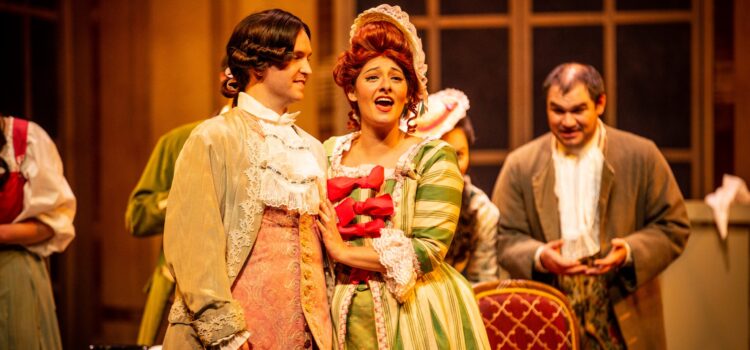
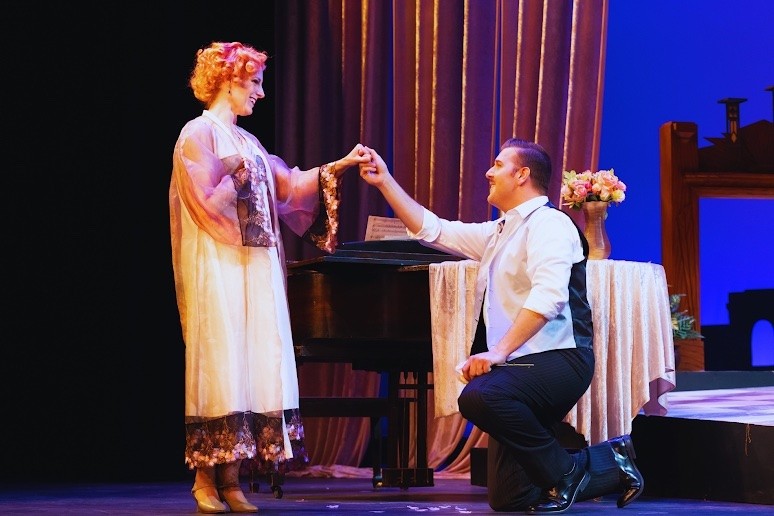
I have an acquaintance for whom the terms Puccini and opera are synonymous. For him, opera and the Italians define the artform. Although I don’t agree with his limited definition, I can’t deny that the Italians in general and Giacomo Puccini in particular occupy a special space within the opera canon. That’s why Winter Opera’s production of La Rondine, (music by Puccini with librettists Alfred Maria and Heinz Reichert) was a such a solid, comfortable pleasure.
For reasons not worth reiterating, La Rondine (The Swallow) is not considered one of Puccini’s “greatest hits” but, as my acquaintance might say, “Who cares?! It’s Puccini!” I would duly note his fandom and add that we would all be the poorer if La Rondine weren’t performed periodically, despite its modestness. It’s a good Puccini primer, filled with waltzes, melodies, two arias (one perhaps more famous than the entire rest of the opera) and a duet. It further makes Puccini’s higher-profile operas even more impressive by comparison.
The creative team at Winter Opera chose well with La Rondine because it benefits from a tighter production and the stage at the Kirkwood Performing Arts Center. Smaller is better for this opera, something that scenic designer Scott Loebl and stage director Erica Gibson understood, even as swapped Puccini’s original setting from France’s Second Empire era to the “roaring” 1920s. Amy Hopkins’ costume designs were perfectly matched to the updated era, as well.
The updated setting, replete with a raised chessboard-like black and white floor, allowed Gibson to move the characters move like pawns throughout the action. Although the motivation’s of Magda, especially her decision to return to her “old life” in the conclusion of the third act, aren’t understandable or compelling by modern sensibilities, this doesn’t detract from this production. “Who cares?! It’s Puccini,” is latent throughout.
Photo by Rebecca Haas
Puccini placed the La Rondine’s famous aria, “Chi il bel sogno di Doretta,” early in Act One. The piece’s soaring phrases offer sopranos the opportunity to impress an audience. In Winter Opera’s production, soprano Karen Kanakis as Magda compellingly sang the aria with her lilting, floating top notes. The piece ends with the “What do riches matter if true happiness blossoms?” Kanakis delivers this question with such truth and honesty that it sets up the tragedy of the finale, which turns this line from rhetorically hopeful into sadly ironic.
Matching Kanakis’ performance was tenor Nathan Schafer as Ruggero. Schafer overcame some of the weaknesses of the character through his performance’s clarity and warmth. His duets with Magda were some of the best, even as he had to animate Ruggero’s one-dimensionality (as written). Equally strong were Nicholas Huff as Prunier, Lauren Nash Silberstein as Lisette and baritone Jacob Lassetter as Rambaldo – as well as the chorus.
Bubbling beneath the Winter Opera singer was the orchestra, conducted by Scott Schoonover, artistic director of Union Avenue Opera. The modest size of the orchestra was enlarged by the restrained size and good acoustics of the Kirkwood Performing Arts Center.
Winter Opera is off to a terrific start with La Rondine, leaving only the question of how they will meet or exceed this accomplishment with the rest of the season’s offerings – Verdi’s MacBeth in January and Sigmund Romberg’s The Desert Song in March.
The award-winning documentary A New Home follows up its festival run on Amazon Prime Video as it continues to introduce viewers across the country to St. Louis’ Bosnian community.
The latest collaboration from Director/Producer Joseph Puleo and Executive Producer Rio Vitale, debuted this past summer where the filmmaking team once again achieved unprecedented success. Their showing was the most attended film as part of the St. Louis Filmmakers Showcase and took home both Best Documentary & Best Sound (Documentary).
A coveted feature screening slot at the 31st St. Louis International Film Festival also provided local theater-goers an encore viewing opportunity this past November.
“I greatly admire the way Joseph Puleo shows our city and our civic heritage in cinematic love letters to St. Louis, highlighting ethnicities that have made a vital and lasting impact on the place we all call home,” explains Cinema St. Louis Artistic Director Chris Clark. “His films are perfectly crafted, well-oiled machines that always draw a crowd due in no small part to his endless drive and passion to promote both his own work and the events themselves.”
In a follow up to America’s Last Little Italy: The Hill, the duos new film examines the story of Bosnian War refugees fleeing to St. Louis, Missouri, 30 years ago. As the war in Ukraine continues to rage and thousands of its citizens are displaced and seeking new homes, the plight of the Bosnians remains as relevant as ever.
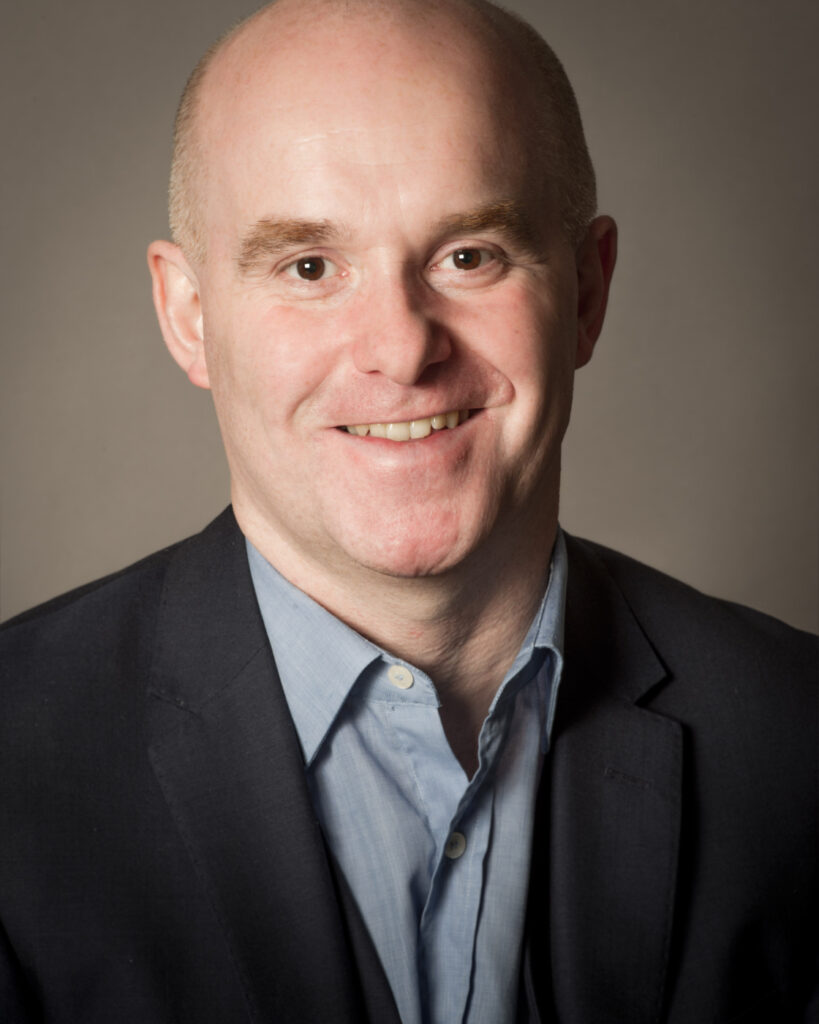
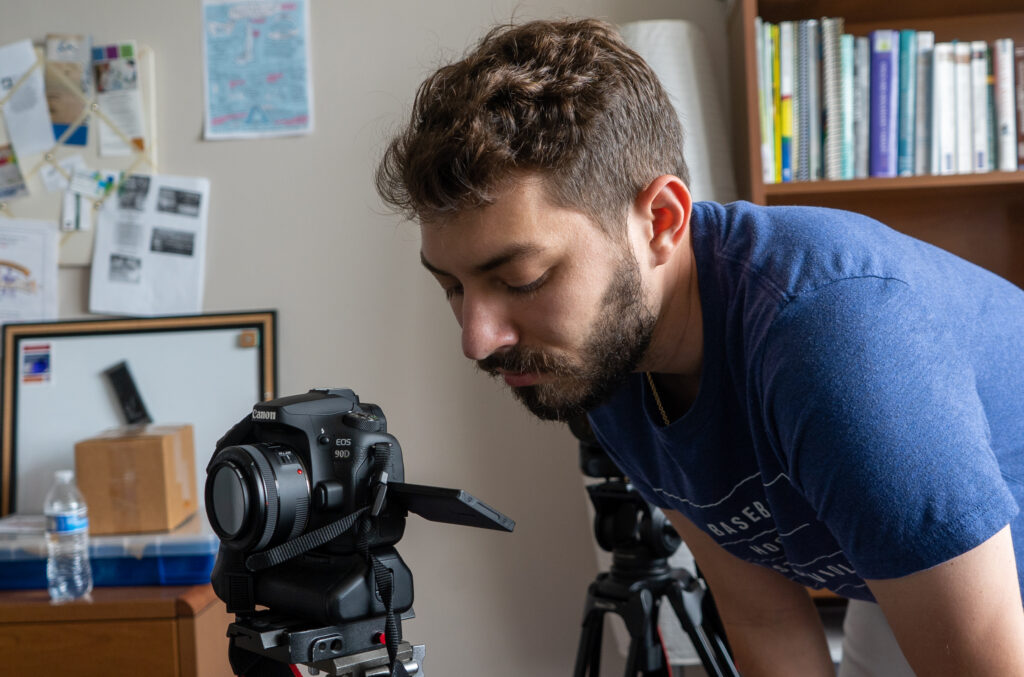
Joey Puleo
When Bosnians fled their homes to escape the war in 1992, many ended up in St. Louis, largely because of its affordable housing and available jobs. The new arrivals began assimilating, starting their own businesses and transforming a once dilapidated South City neighborhood in the shadow of the Bevo Mill into a thriving “Little Bosnia.” Over the ensuing three decades, an estimated 70,000 Bosnians have migrated to St. Louis, making it the most inhabited area for Bosnians outside of Bosnia itself. A New Home tells the story of these refugees’ perseverance and determination to not only start life over but prosper.
Pre-production on A New Home began in the spring of 2021 with hours of VHS footage and more than a thousand photographs generously donated to the project to utilize during the editing process. The film also includes interviews with luminaries including Patrick McCarthy, author of After the Fall: Srebrenica Survivors in St. Louis; Ben Moore, Senior Researcher at the Center for Bosnian Studies; Anna Crosslin, past president of the International Institute of St. Louis; former Missouri congressman Russ Carnahan; and Doug Moore, a former journalist at the St. Louis Post-Dispatch, as well as 5 Bosnian War survivors and refugees.
“A New Home is a fascinating documentary that I highly recommend,” states former Mayor of St. Louis, Francis Slay, who is also featured in the film. “I hope everyone in the St. Louis area gets a chance to watch and not only be entertained but learn about their Bosnian neighbors’ struggle for safety and freedom and the lasting impact they have had on our entire region.”
“This documentary was a complete labor of love,” said Puleo. “To be trusted with telling the harrowing and triumphant story of the Bosnians in St. Louis was not a responsibility that I took lightly and their courageous resolve inspired me to give this film all I could give. The audience response so far has been overwhelmingly positive and we cannot wait for more people to get the opportunity to see A New Home through Amazon’s portal.”
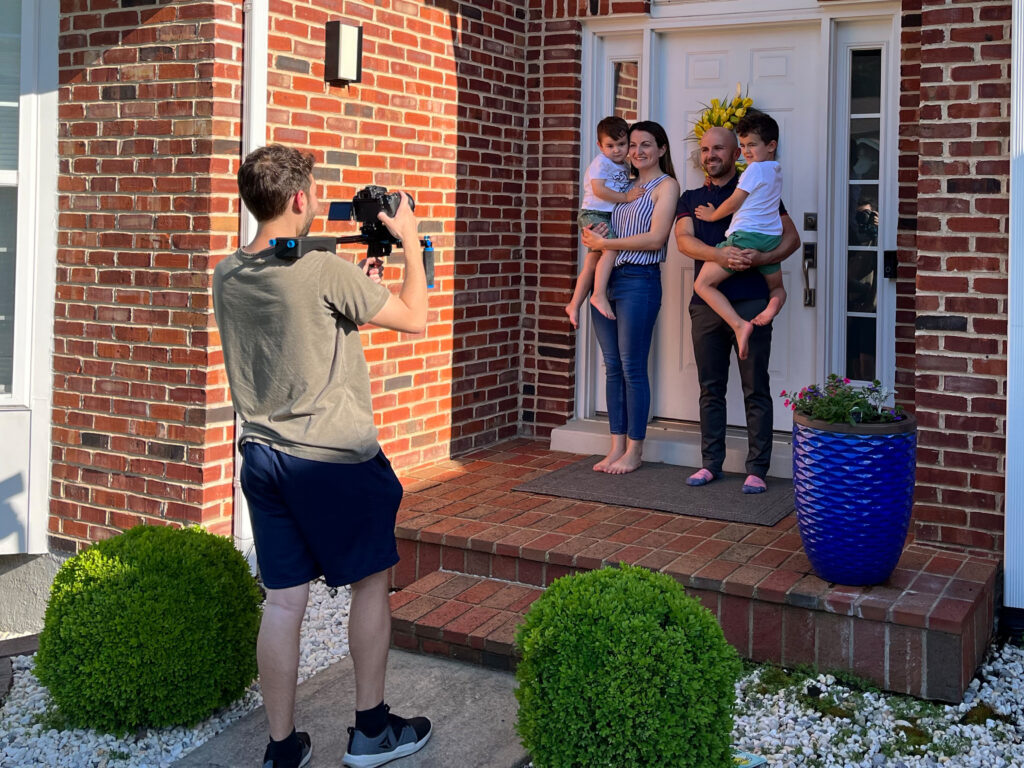
Joey films Medina and Adis Hasanagic and their children
About The Creators:
Joseph Puleo, Director/Producer
Joseph Puleo was born on July 13, 1992, in St. Louis, Missouri. He attended Lindenwood University and graduated from their school of film in 2014. His short film, Top Son (2016) was a Top 5 finalist in Kevin Hart’s LOL Network “Eat My Shorts Competition” where it screened at the Just For Laughs festival in Montreal. His debut feature-length documentary, America’s Last Little Italy: The Hill (2020) was shown on PBS stations across the country and received multiple awards.
Rio Vitale, Executive Producer
Rio Vitale was born in St. Louis, Missouri, and has 40 years of experience in the financial brokerage industry. In 2014, Vitale published his first book, St. Louis’s The Hill. In 2016, he was knighted by the Italian government for his extensive work in the Italian community. In 2020, Vitale began a new venture into film production, executive producing the award-winning feature-length documentary, America’s Last Little Italy: The Hill.
To read the “Take Ten with Joey Puleo,” click here: https://www.poplifestl.com/take-ten-with-fillmmaker-joey-puleo/
Hall will be in concert with Special Guest Todd Rundgren on Thursday, Dec. 1, at 7:30 p.m. at Stifel Theatre in St. Louis
By Lynn Venhaus
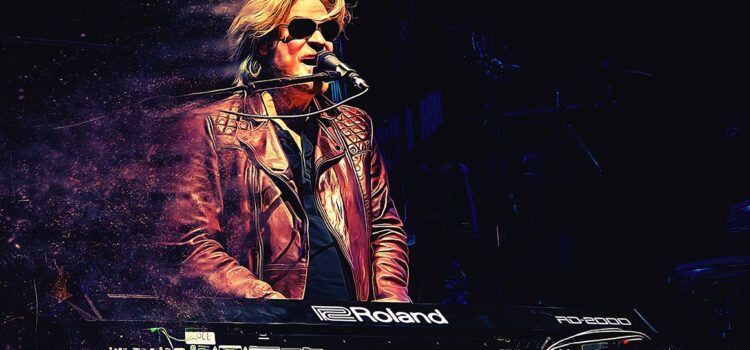
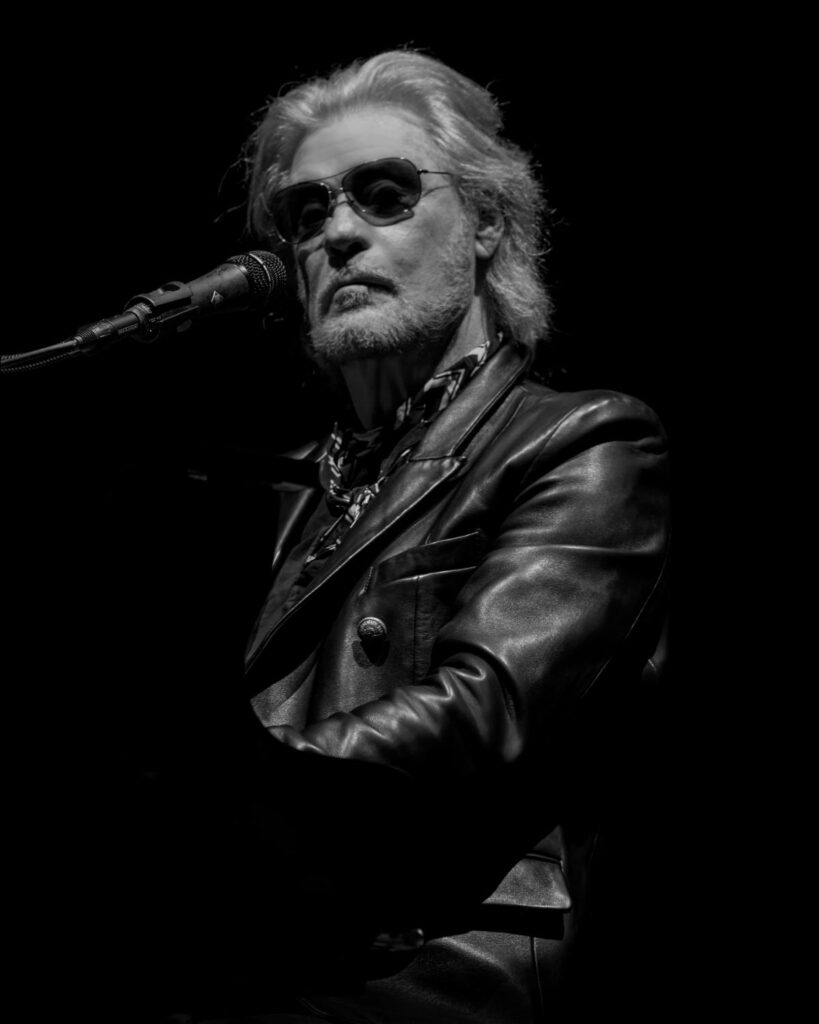
A soul survivor spanning 50 years in the music business, Daryl Hall still gets excited talking about performing live.
You can hear the enthusiasm about his latest venture in his voice during a recent phone interview. He embarked on the BeforeAfter Tour April 1 in Chicago, his first solo tour in more than a decade, and it’s been extended twice, launching again on Nov. 19, and wrapping up this week.
He will appear in concert on Thursday, Dec. 1, at Stifel Theatre in St. Louis, along with his special guest — old friend and fellow Philadelphian, Todd Rundgren.
Tickets are available for the show that starts at 7:30 p.m.: https://www.ticketmaster.com/daryl-hall-and-the-daryls-house-st-louis-missouri-12-01-2022/event/06005D2F8AF11B70
The last show for this year is Dec. 3 in Evansville, Ind.
“We are so happy because it’s been beyond our expectations,” he said from his home in Connecticut. “People are loving the show. It’s a big departure for me being out on my own and starting this new thing.”
Before After
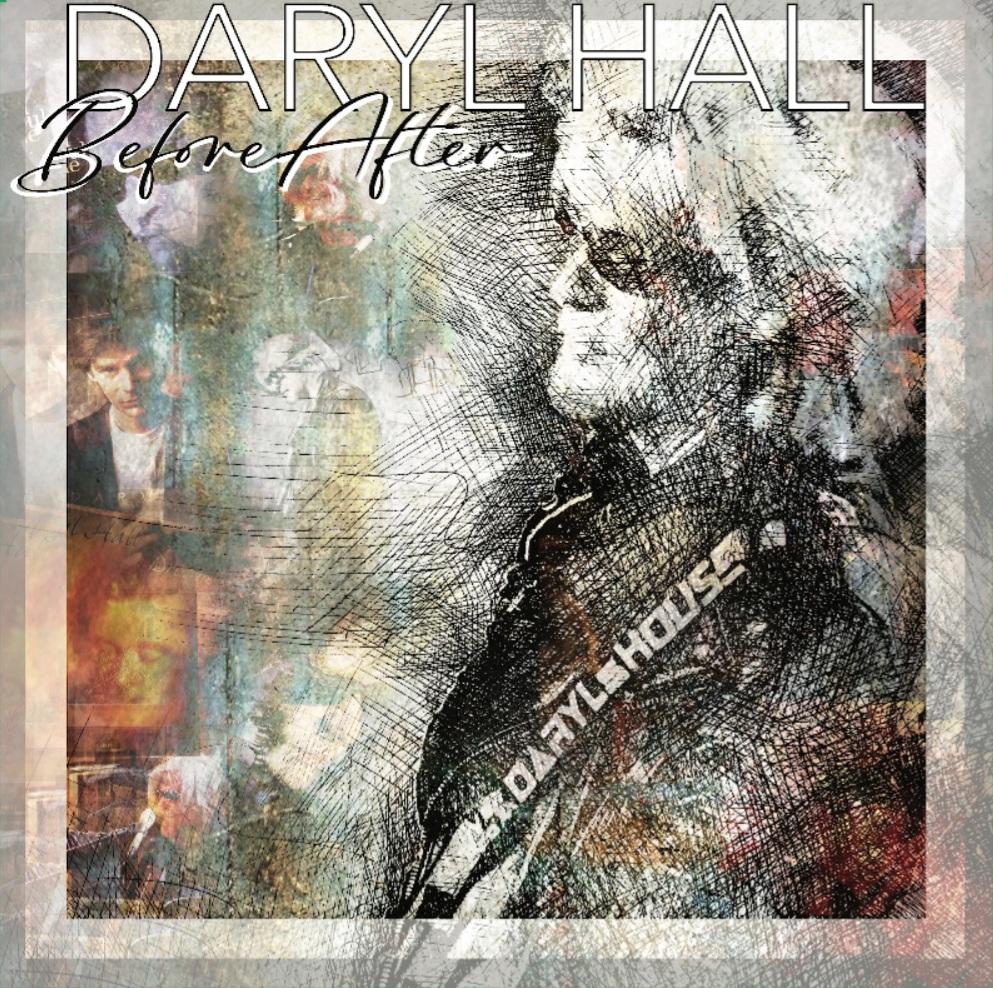
Hall has released his first-ever solo retrospective, “Before After,” which features 30 selections from his five solo albums, from “Sacred Songs” in 1980 through “Laughing Down Crying” in 2011. In addition, the collection features six never-released performances from “Live from Daryl’s House,” his acclaimed web and television series.
The current Daryl’s House Band accompanies Hall and Rundgren, and includes guitarist Shane Theriot, bassist Klyde Jones, saxophonist Charlie DeChant, keyboardist Elliott Lewis, drummer Brian Dunne and percussionist/singer Porter Carroll.
“I have the best band in the world,” he exclaimed. “They travel with me all the time. Their experience shows on stage.”
Two new episodes of “Live from Daryl’s House” have been recorded and he said they’re getting ready to do a third, so stay tuned.
Todd on Live From Daryl’s House
Hall, 76, and Rundgren, 74, continue to thrive on the music paths they started as teenagers.
Both singer-songwriters and multi-faceted musicians, they have produced and arranged recordings for much of their Hall of Fame careers.
For this tour’s setlist, Rundgren starts off with an individual set, followed by an intermission, then by Hall. Then, they come together for the grand finale.
During the pre-vaccine part of the pandemic, when the world shutdown, so did he.
“I didn’t write a song. I hardly left the house. I slowed down,” Hall said.
But working on the retrospective and mapping out a tour was the impetus he needed to get back to doing what he loves to do.
Why take to the road after having such a long illustrious career?
“I am a working musician,” he said. “I live to work. I also have these guys (the band) to take care of. It is hard to challenge just yourself. This tour is a labor of love. I enjoy the work.”
Hall was thrilled to play at Carnegie Hall in New York City and Ryman Auditorium in Nashville for the first time.
Grateful to be connecting again with live music, he’s as invigorated as the fans.
“People are ready to go out and have a good time, relax. We’ve tapped into that need for human connection after the past couple of years,” he said.
That Philly Soul
Bonded by their Philly roots and simpatico relationship, Hall and Rundgren are a match that fans have responded to, described as a ‘dream team.’
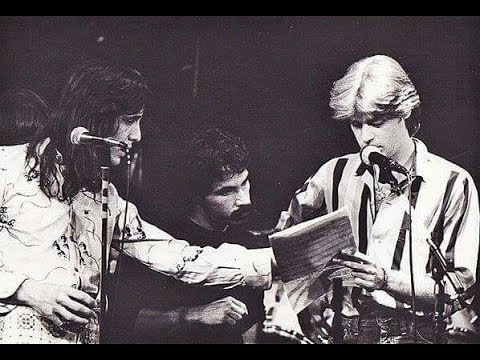
Todd, Oates, Hall in 1974 (see info below)
“We grew up 20 miles from each other in Chester County (southeast Pennsylvania, part of Philadelphia metro area, Hall in Pottstown and Rundgren in Upper Darby),” he said. “We were aware of each other, but we didn’t meet until we both had moved to New York City at the same time.”
Where they met still makes him smile.
“We met at a showing of the movie ‘Fantasia,’ which is just so perfect, and we talked about how we should record together,” he said.
That led to Rundgren producing Hall & Oates’ third album, “War Babies,” in 1974.
“We continued to work together. He’s a real kindred spirit,” he said. “Todd’s music is so soulful, eclectic. He’s a maverick. We literally come from the same place. We were made to work together.”
Fans already know how good the blue-eyed soul pair sound together, for they’ve created magic both at Daryl’s home studio and at Todd’s place in Hawaii.
Their music has been flavored with the Sound of Philadelphia – noted for its funk and rhythm and blues fusion with pop, with a jazzy melodic structure, often including horns and strings in the instrumental arrangements. Philly soul can be heard in such acts as The Spinners, O’Jays, Delfonics and Stylistics.
“It was a very big influence in my music. You can’t help but have pride in the Philly Sound, it’s still a major influence in the world,” he said.
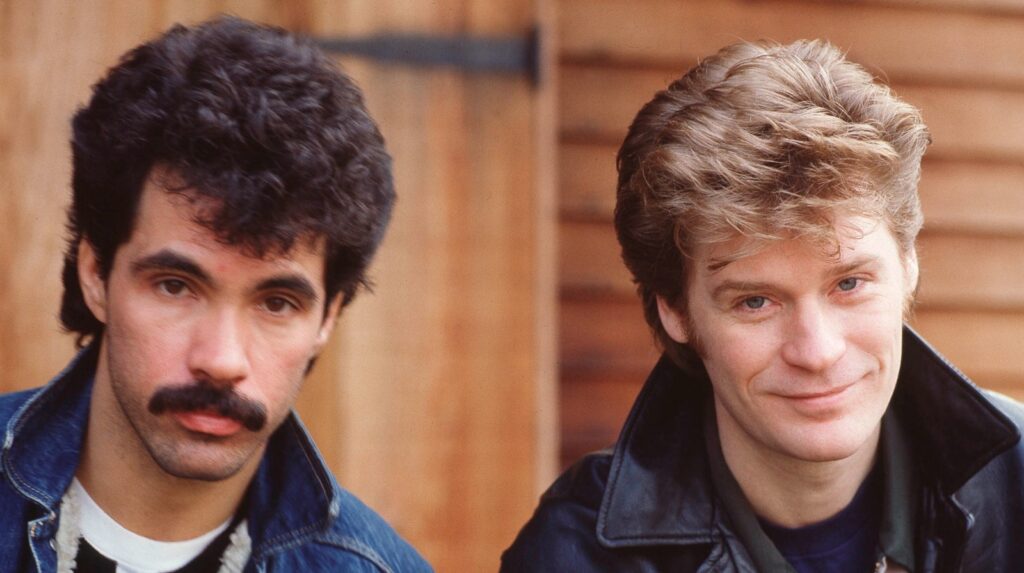
As the best-selling duo of all-time with John Oates, Hall had six no. 1 hits in the 1970s and 1980s. Hall & Oates’ accessible pop has stood the test of time – and you can hear their greatest hits used in current commercial campaigns.
Inducted into the Rock and Roll Hall of Fame with Oates in 2014, they team up from time to time, including several concerts this past year.
Hall, whose mom was a vocal teacher and choir director, said he can’t remember a time when he wasn’t singing. While in college at Temple University, he recorded his first song with a group he formed, The Temptones. He was 18, and he’s been recording ever since.
In the early days of Hall & Oates, they didn’t break through with major success until “Sara Smile,” was released as a single in 1975.
“That song is very significant to me,” he said. “It was very exciting to hear it on the radio. It was an indescribable feeling.”
(“Sara Smile” was about his girlfriend at the time, Sara Allen, who contributed to some of Hall & Oates’ most popular songs – “You Make My Dreams,” “Maneater,” “Private Eyes” and “I Can’t Go for That” among them. They were in a long-term relationship for about 30 years, breaking up in 2001).
Live from Daryl’s House
Just as Hall & Oates had their many successes during the early days of MTV, embracing music videos as a promotional tool, Hall has managed to reinvent himself in the digital age through his award-winning series.
He launched LFDH as a free monthly show on the internet in 2007 and played music with friends. He wanted it to have a relaxed vibe of hanging out and having a good time jamming. It also ran on television, including Viacom’s Palladia channel.
“It’s been phenomenal. It was an idea whose time had come. Nobody was watching the internet then. How times have changed since then,” he said.
Fans new and old responded to his collaborations with the latest generation of musicians as well as his contemporaries – and a variety of genres. He’s played with Neon Trees, Jason Mraz, Smokey Robinson, The Spinners, Tommy Shaw, Kenny Loggins, Joe Walsh, and The Goo Goo Dolls.
Winner of a Webby Award for best variety series and O Music Award from MTV for best performance series, LFDH has recorded 82 episodes, some of which are archived on his website, while others are available on YouTube.com
For many years, he recorded the show in the 18th century home he rehabbed in New York’s Hudson Valley, in Millerton, but then moved to Connecticut. For a new place starting with the 66th episode, he renovated the former Towne Crier nightclub in Pawling, N.Y., into a restaurant-and-live-music venue, which opened in 2014. It is currently open for business and offering live entertainment.
They met in 1970 while students at Temple University, and recorded their first album, “Whole Oats,” in 1972. A year later, “Abandoned Luncheonette” followed, featuring the hit “She’s Gone.”
With the release of “Sara Smile” from what’s known as “The Silver Album” in 1976, they became superstars. In 1987, the Recording Industry Association of America declared they were the best-selling musical duo of all-time and have maintained that record.
Hall would be a part of “We Are the World” and the duo was on the stage during Live Aid in Philadelphia in 1985. They also backed up Tina Turner and Mick Jagger.
As for his description of St. Louis legend Turner, Hall said: “She’s great. She’s very gracious and kind,” he said, noting that the first record he bought at age 12 was Turner’s.
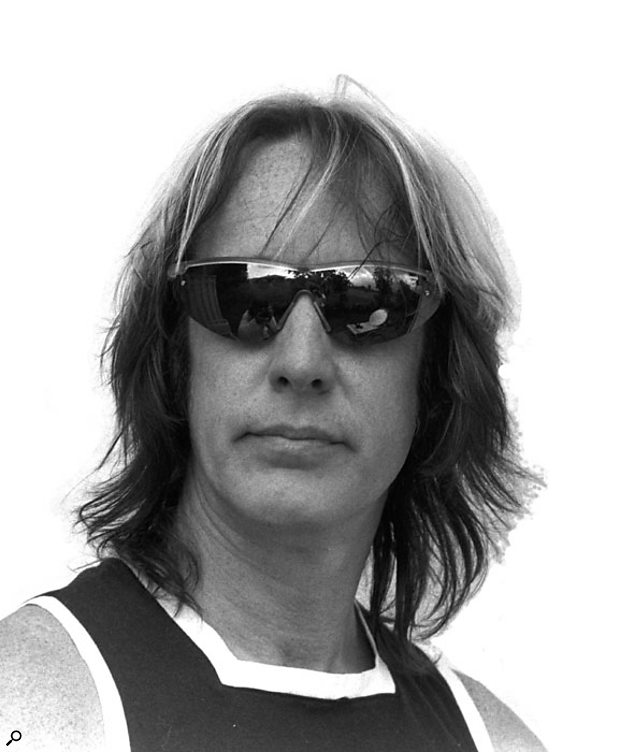
Todd Rundgren
Todd Rundgren
Rundgren began playing guitar as a teenager and formed the psychedelic garage rock quartet Nazz in 1967, releasing three albums between 1968 and 1971. He re-recorded his hit song, “Hello It’s Me” as a solo artist. He released “Runt,” his first solo album, in 1970, and learned how to produce an album himself.
A production deal led him to projects with Janis Joplin, the Band, Patti Smith, and others. He also produced albums for the New York Dolls, Grand Funk Railroad, Meat Loaf and Daryl Hall & John Oates.
For his 2-disc masterpiece, “Something/Anything?” in 1972, he sang all the vocal parts and played all the instruments on three of the four sides. He has released 25 solo albums and 10 with Utopia. His latest, “Space Force,” was released on Oct. 14.
His music video for ‘Time Heals” was the eighth one played when MTV launched on Aug. 1, 1981.
He is genuinely regarded as an innovative and resourceful singer, songwriter, musician, sound engineer and record producer. A multimedia artist, he is considered a pioneer in the fields of electronic music, progressive rock, music videos, computer software, and Internet music delivery. By the mid-90s, he was experimenting with interactive CD-ROM and new video technology.
He was inducted into the Rock ‘n Roll Hall of Fame in 2021, although he refused to attend the ceremony.
He has toured with Ringo Starr and the All-Star Band, the new Cars and recently appeared on the Celebrating David Bowie tribute tour in October and November.
Photos: Todd Rundgren, on his 26th birthday, on June 22, 1974, was in concert at the Wollman Rink in Central Park, and Daryl Hall and John Oates were part of his ‘chorus.’ He was producing their “War Babies” album then. (Photo posted on YouTube, with audio, from the 1974 concert: https://youtu.be/ls0Yje9-woI)