The performing arts do love a new label, especially for an old idea. Take “poperetta,” a recent coinage for musical theater that mixes high and low, sophistication and popular appeal. Gilbert and Sullivan might reasonably ask what took us so long. Nearly 150 years after “The Pirates of Penzance” first set sail, Opera Theatre of Saint Louis’ exuberant revival finds this Victorian confection still afloat, still tuneful and still very funny. Apparently, nobody told it that it was old.
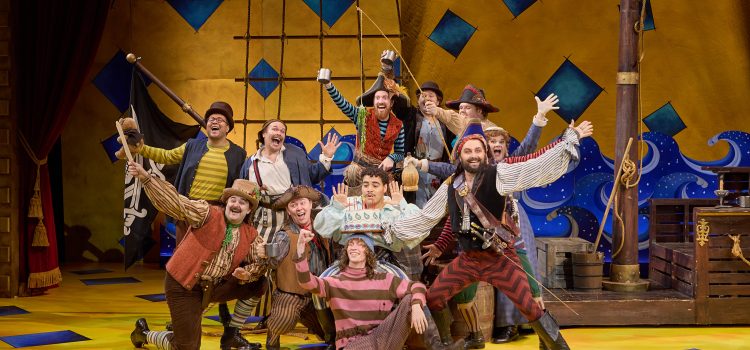
Director and choreographer Seán Curran knows precisely what keeps this gloriously improbable work moving. His production, first staged at OTSL in 2013, has since been mounted by opera companies across the country. Back where it began, the production remains fresh and remarkably sure of itself. The stage is rarely still. Gesture, rhythm and split-second timing accumulate into comedy, grounded by characters who treat every ridiculous circumstance with complete seriousness.
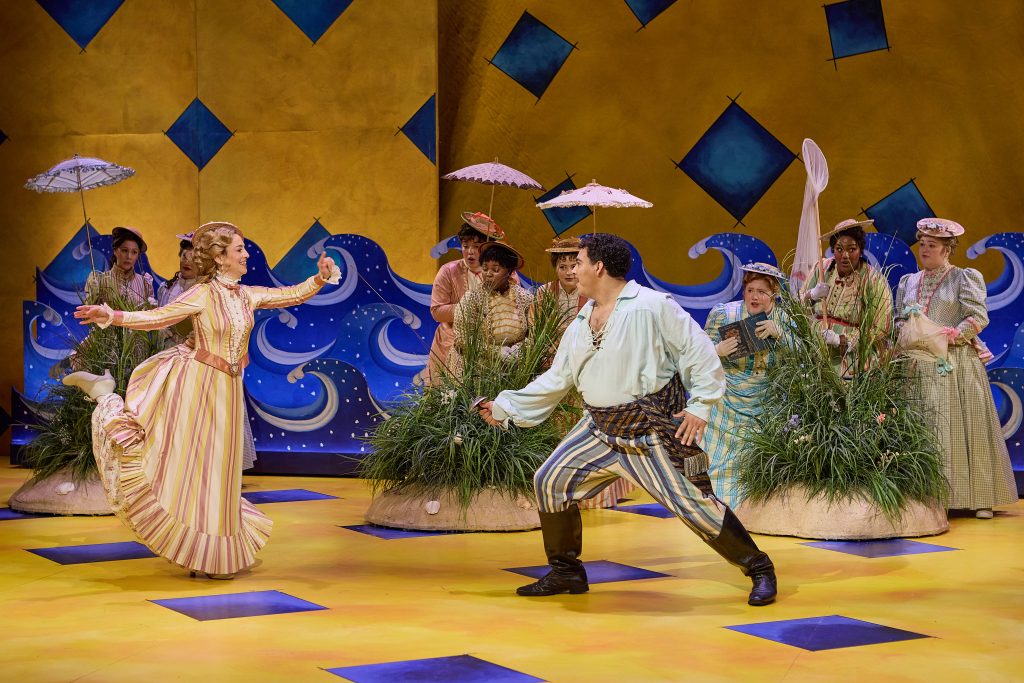
James Schuette’s sets and costumes announce the game before Sullivan’s score gets underway. A grand gilt Victorian proscenium, crowned by a skull and crossed swords, frames the thrust stage. Red curtains, vivid painted backdrops and a pirate ship cheerfully wheeled into place suggest a pop-up book sprung to life. The machinery shows. That’s part of the point.
Daniel Luis Espinal gives Frederic a bright, ardent tenor and a winning innocence. Jana McIntyre’s Mabel brings character and wit to the role’s coloratura demands. Their romantic sincerity gives the surrounding lunacy something firm to bounce against.
Jana McIntyre and Daniel Luis Espinal, Photo by Eric Woolsey.
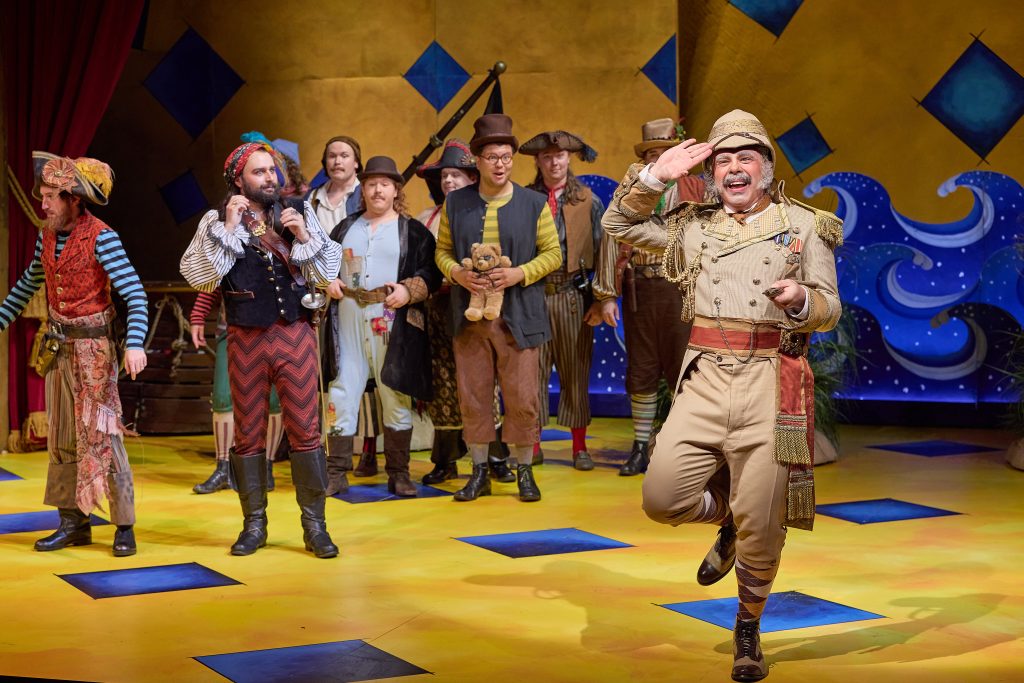
The production has comic talent to spare. William Socolof’s Pirate King swaggers and blusters with comic authority, while Meredith Arwady brings a formidable contralto and deft comic timing to Ruth. Robert Mellon makes Major-General Stanley a beaming monument to cheerful foolishness, dispatching the famous patter song with impressive clarity. Shyheim Selvan Hinnant makes the Sergeant of Police one of the evening’s comic highlights, leading his hapless constables through some of Curran’s funniest physical comedy.
George Manahan conducts members of the St. Louis Symphony Orchestra with equal attention to Sullivan’s melodic beauty and the propulsion that keeps Curran’s production moving. The chorus, prepared by Andrew Whitfield, contributes power, verbal clarity and distinct comic character.
After nearly 150 years, “The Pirates of Penzance” has nothing to prove. Curran and company trust the music, sharpen the comedy and keep the whole improbable contraption moving. The old thing sails beautifully.
Opera Theatre of Saint Louis’ production of “The Pirates of Penzance” was performed May 23 through June 27 as part of the company’s 2026 Festival Season.
Robert Mellon as the Major General. Photo by Eric Woolsey.
CB Adams is an award-winning fiction writer and photographer based in the Greater St. Louis area. A former music/arts editor and feature writer for the St. Louis Globe-Democrat, his non-fiction has been published in local, regional and national publications. His literary short stories have been published in more than a dozen literary journals and his fine art photography has been exhibited in more than 40 galley shows nationwide. Adams is the recipient of the Missouri Arts Council’s highest writing awards: the Writers’ Biennial and Missouri Writing!. The Riverfront Times named him, “St. Louis’ Most Under-Appreciated Writer” in 1996.
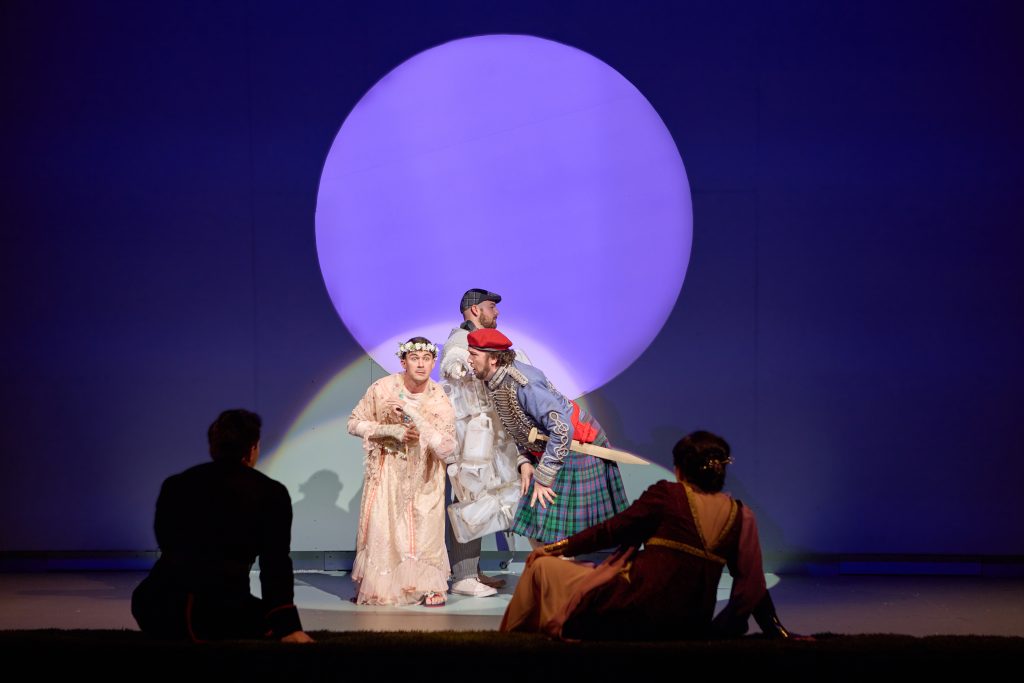
In Opera Theatre of Saint Louis’ shimmering new production of Benjamin Britten’s “A Midsummer Night’s Dream,” the familiar Shakespearean tale is reborn with a rare blend of musical precision, visual poetry and theatrical wit.
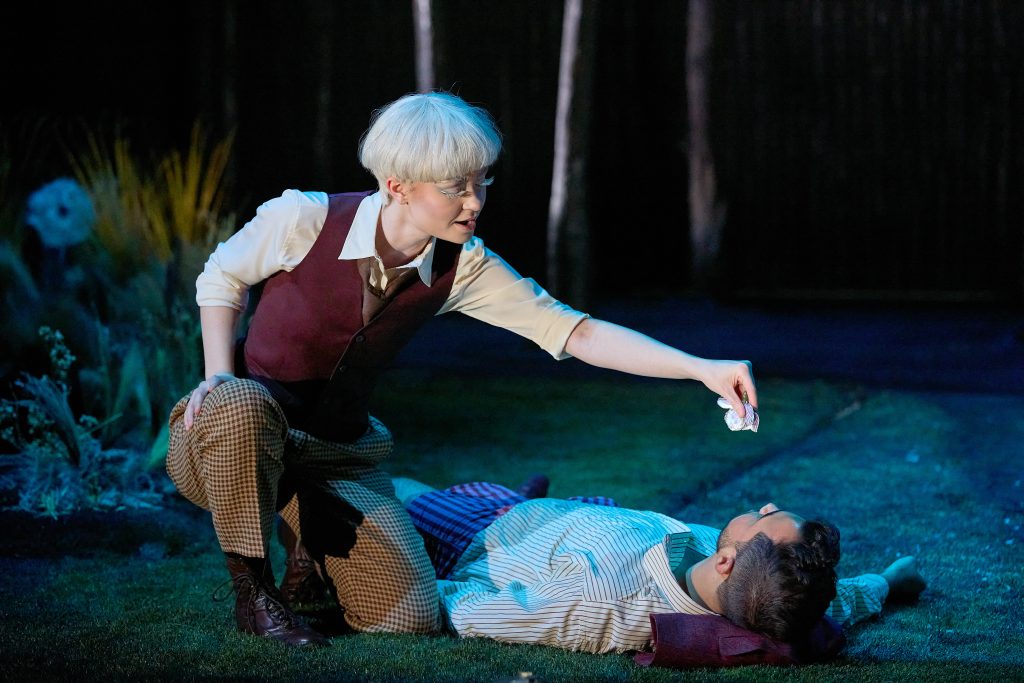
Under the baton of maestro Leonard Slatkin and the direction of Tim Albery, this staging is less a retelling than a re-enchantment—an immersive journey into a world where fairies glide, lovers quarrel and rustic clowns stumble through tragedy with comic brilliance.
The production is anchored by a cast of world-class singers and actors, each bringing nuance and vitality to their roles. The creative team, led by designer Emma Kingsbury, conjures a forest that breathes and transforms while the children’s chorus and mechanicals add layers of charm and humor.
What follows is a breakdown of the production’s key contributors—principal cast, lovers, mechanicals, fairies and creatives—each of whom helps weave this dream into something unforgettable.
The heart of Britten’s dreamscape lies in the ethereal authority of its fairy royalty. Oberon and Tytania, portrayed with vocal finesse and dramatic poise, anchor the supernatural world with a sense of grandeur and mystery. Puck, though silent in song, is a kinetic presence who threads the narrative with mischief and grace.
James Laing – Oberon: A commanding OTSL debut, Laing’s countertenor voice is smooth and powerful, embodying the regal and mystical presence of the fairy king.
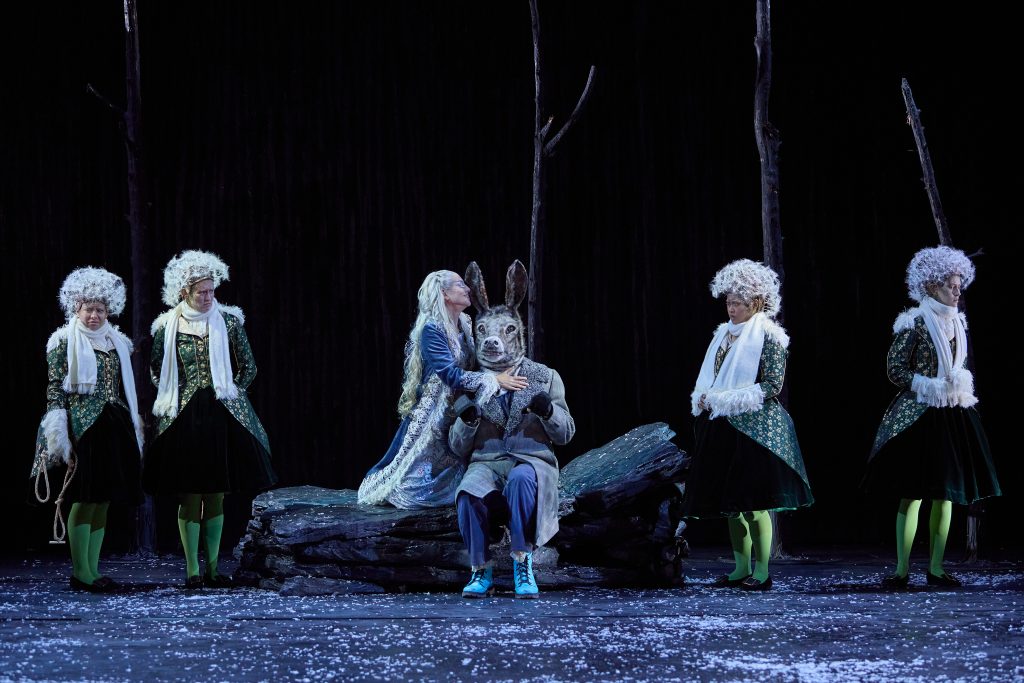
Jana McIntyre – Tytania: Also making her OTSL debut, McIntyre dazzles with a silvery bel canto soprano, bringing both elegance and emotional depth to the fairy queen.
Matisse Carmack – Puck: In this non-singing role, Carmack is a kinetic force—quick, agile and mischievous. Her delivery of Puck’s final monologue is masterful.
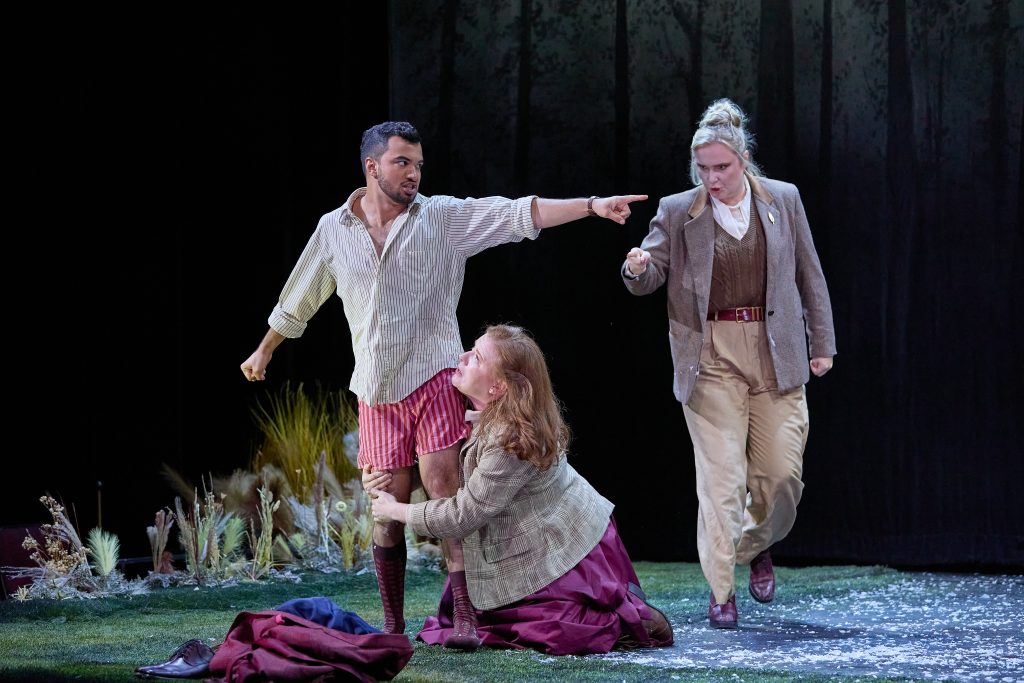
The quartet of young lovers brings emotional volatility and romantic confusion to the forest, their entanglements rendered with vocal clarity and dramatic charm. Each performer navigates the shifting affections and magical manipulations with humor and heart, grounding the opera’s fantasy in human longing.
Anthony Léon – Lysander: A strong and expressive tenor, Léon brings warmth and charm to the role.
Jennifer Johnson Cano – Hermia: A returning OTSL favorite, Cano delivers a sterling performance with emotional nuance and vocal richness.
Theo Hoffman – Demetrius: A standout among the lovers, Hoffman’s powerful baritone is one of the production’s vocal highlights.
Teresa Parrotta – Helena: Parrotta brings humor and heart to Helena, rounding out the quartet with a vibrant performance.
Comic relief arrives in the form of the “rude mechanicals,” whose earnest attempt at theatrical tragedy becomes a riotous farce. Their scenes are a masterclass in physical comedy and ensemble timing, with Bottom’s transformation into an ass providing one of the production’s most memorable visual gags.
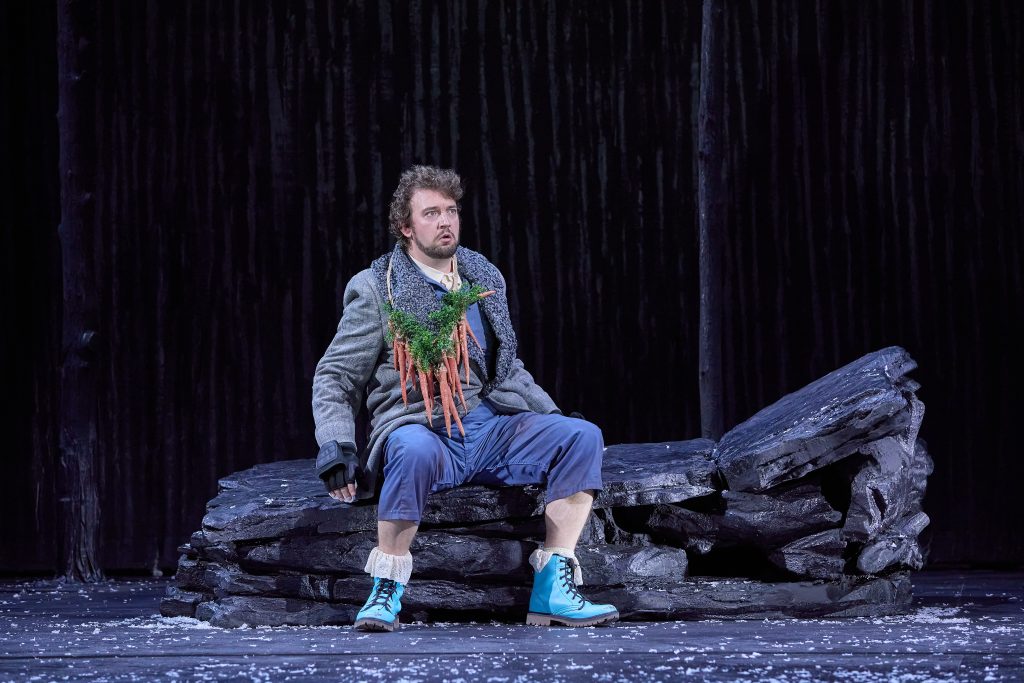
Ben Brady – Bottom: A comedic triumph, Brady is hilarious in both human and donkey form. The donkey’s head is described as a miracle of stagecraft—realistic with a moving mouth that allows Brady’s voice to project clearly and powerfully.
Christian Sanders – Thisbe: Sanders delights with a playful and endearing portrayal of Thisbe.
Robert Mellon, Dylan Gregg, Adam Partridge, Sam Krausz – Mechanicals Ensemble: This troupe delivers classic low-comic charm, wringing every laugh from their vaudevillian rehearsal scenes.
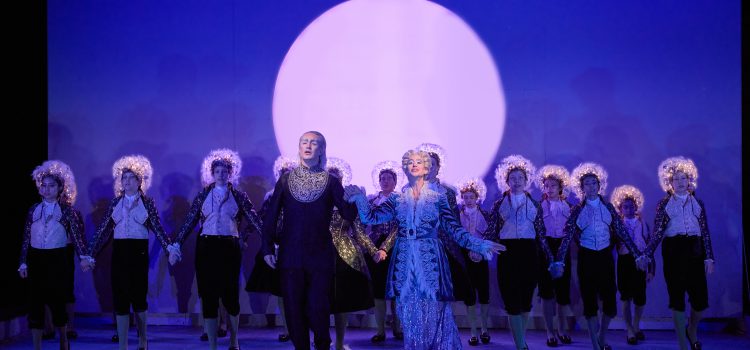
The enchanted forest is populated by a chorus of fairy sprites, led by four charming attendants. Their presence adds a layer of visual and vocal delicacy, transforming the stage into a living, breathing dreamscape. The children’s chorus, under expert direction, brings both innocence and eerie beauty to the production.
Emily Kealani – Cobweb
Veronica Siebert – Mustardseed
Laura Santamaria – Peaseblossom
Zoe Brooks – Moth: These young performers lead the children’s chorus with grace and whimsy, adding a magical layer to the production.
St. Louis Children’s Choruses – Fairy Sprites: A visual and vocal delight, these young singers enhance the enchanted forest with charm and precision.
Behind the scenes, a visionary creative team shapes the production’s aesthetic and emotional tone. From the conductor’s podium to the costume shop, each contributor brings a distinct artistry that elevates the opera’s dreamlike world. Their collaboration results in a production that is as visually arresting as it is musically rich.
Tim Albery – Stage Director: Albery’s minimalist Shakespearean-inspired staging is both magical and emotionally resonant.
Emma Kingsbury – Scenic & Costume Designer: Her designs are exquisite with transformative sets and timeless costumes that elevate the production’s visual storytelling.
Krystal Balleza & Will Vicari – Wig & Makeup Designers: Their work is brilliant, especially in crafting the ethereal looks of the fairy realm.
Seán Curran – Choreographer: Curran’s choreography adds fluidity and charm, enhancing the dreamlike atmosphere.
Leonard Slatkin – Conductor: A celebrated return to OTSL, Slatkin leads the St. Louis Symphony Orchestra with finesse, bringing Britten’s haunting score to life.
Andrew Whitfield – Chorus Master: His direction of the children’s chorus is superb, contributing to some of the production’s most enchanting moments.
CB Adams is an award-winning fiction writer and photographer based in the Greater St. Louis area. A former music/arts editor and feature writer for the St. Louis Globe-Democrat, his non-fiction has been published in local, regional and national publications. His literary short stories have been published in more than a dozen literary journals and his fine art photography has been exhibited in more than 40 galley shows nationwide. Adams is the recipient of the Missouri Arts Council’s highest writing awards: the Writers’ Biennial and Missouri Writing!. The Riverfront Times named him, “St. Louis’ Most Under-Appreciated Writer” in 1996.