By Lynn Venhaus
In the warm glow of the cozy March parlor, a singular author wins us over with her exuberant family portrait while a modern playwright interprets the timeless work “Little Women” by sharing these relatable lives less ordinary.
Together, this exceptional ensemble of women depicts how love makes the poorest soul thrive, how dreams fuel ambitions, how comforting sisterhood is, and that gumption matters at any age and era.
Louisa May Alcott coaxed generations of women to dream. No doubt playwright Lauren Gunderson was one of them. How their worlds intertwine has created a fascinating dynamic that feels both modern and sentimental, lively and lovely.
Alcott’s most famous work, published in two volumes in 1868 and 1869, was eventually combined in 1880, and ever since, “Little Women” has never been out of print.
Gunderson, one of the world’s most produced playwrights, shares the same gift for honest writing that resonates. Through her fresh framing and frequent use of contemporary dialogue, the twin story unfolds, with dual roles of Lou and Jo played by the same actress. She also incorporated direct narration from Alcott’s writing, which adds authenticity.
In Civil War era Massachusetts, the fictional March family tends to the business of living while their father is away fighting for the Union Army. They endure traditional 19th century society struggles, especially financial – and love stories they refreshingly shape in their own way.
In 2024, director Delaney Piggins saw Gunderson’s adaptation during its rolling world premiere at the Northlight Theatre in Chicago, participating with three other theater companies. As associate artistic director, she lobbied for its inclusion in The Rep’s 60th season and is now making her triumphant directorial debut.
Her astute understanding of the characters and clever, inventive staging propels this charmer. Through her clear vision, she has gathered top-tier women creatives as designers — scenic designer Ann Beyersdorfer, costume designer Kotryna Hilko, lighting designer Paige Seber, and sound designer Amanda Werre. Choreographer Sam Gaitsch, intimacy director Frankie Ferrari, and dialect coach Lauren Roth all made noteworthy contributions, as did Paul Steger as fight director and Will Vicari as wig designer.
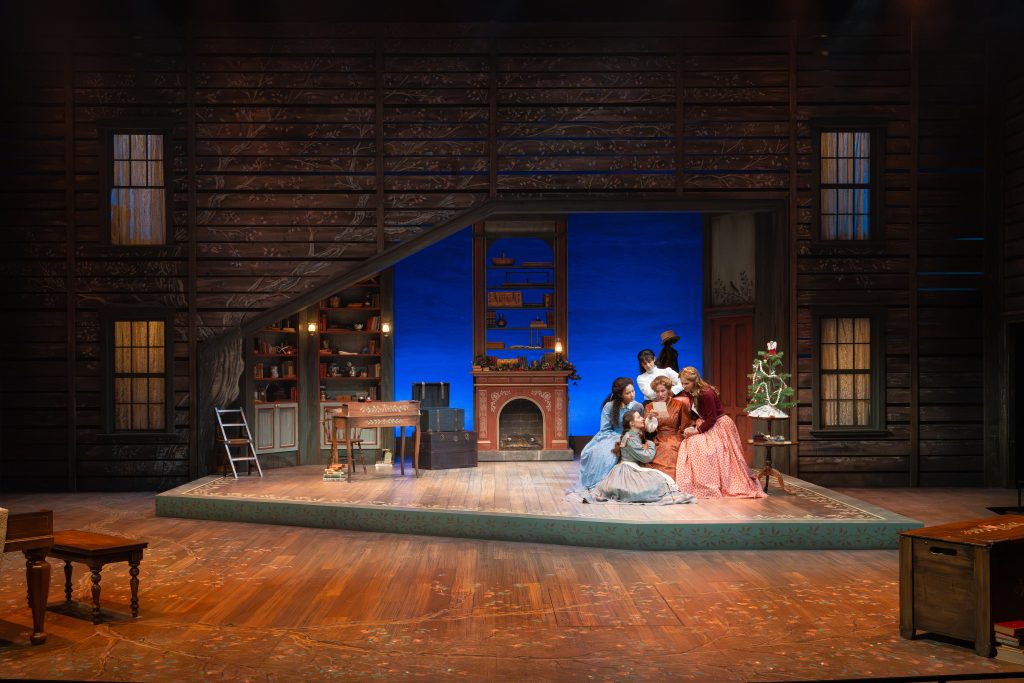
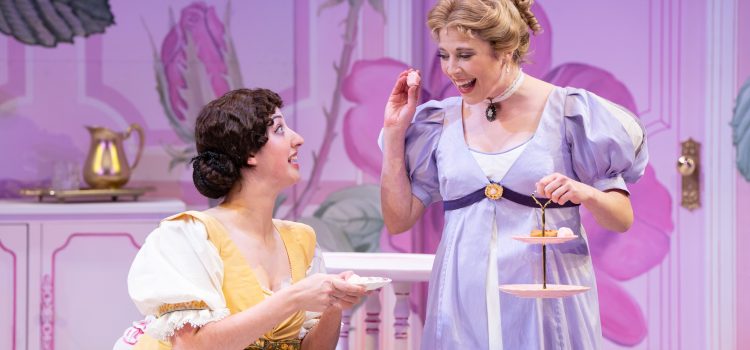
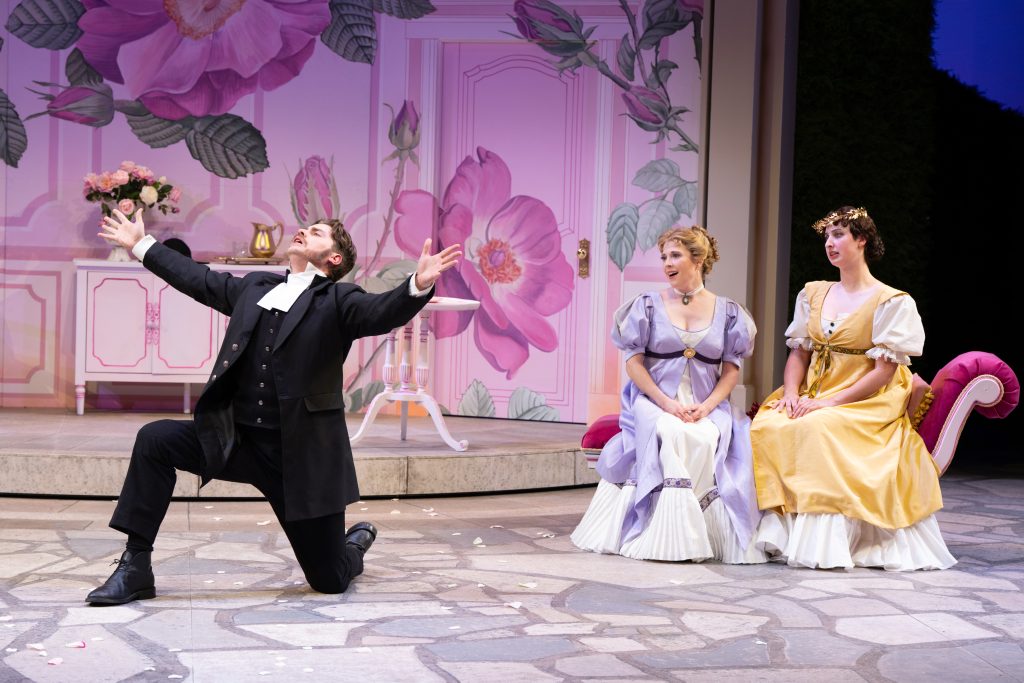
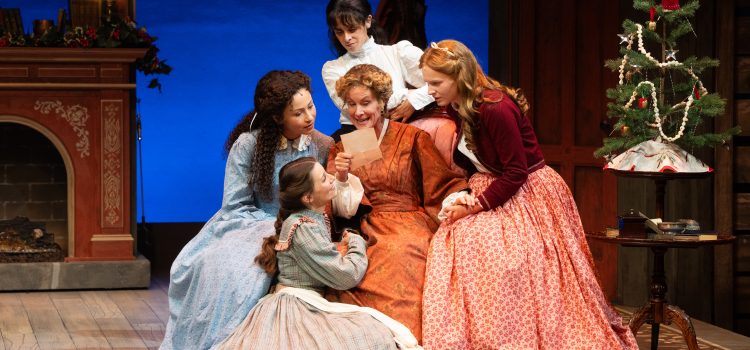
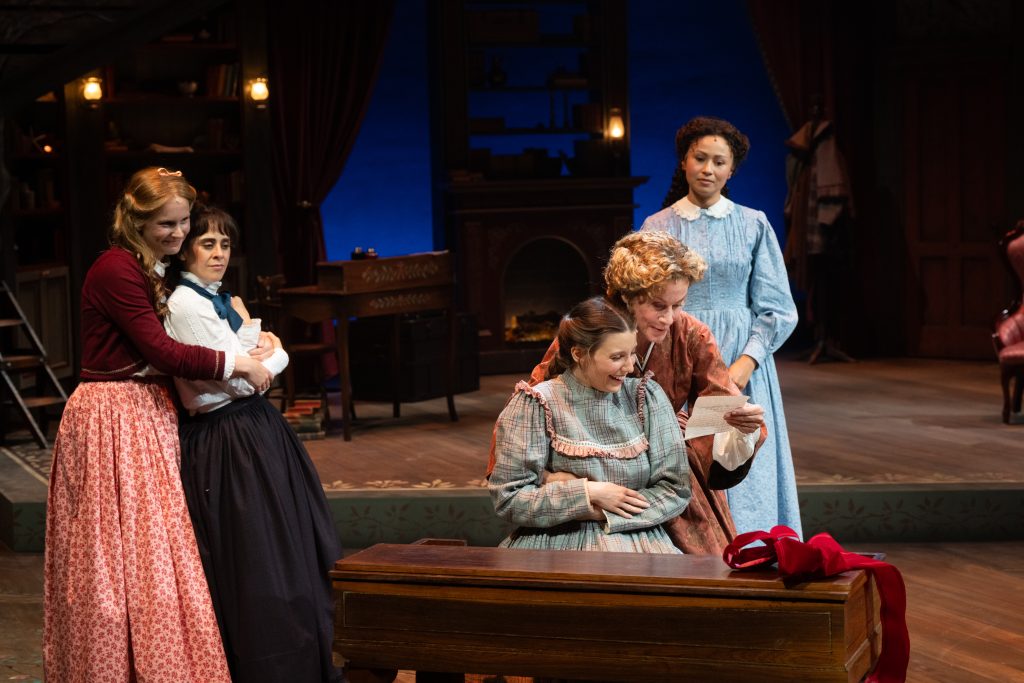
Piggins has assembled a strong quartet of lovable multi-faceted March sisters – Amira Danan as dutiful and devoted Meg, the oldest; Andrea San Miguel as fiercely independent Josephine “Jo”; Kristen Lindvedt as kind and gentle Elizabeth “Beth”; and Addison Foote as melodramatic and spoiled Amy, the youngest.
For those of us who grew up with a strong mother, Marmee rings true – and so does the passionate affection of the sisters and the memories they evoke.
Marcia Pizzo is a calm moral compass as the matriarch, guiding her girls about what’s important — especially self-respect and inner character. Warm and wise, she tells them she’d rather see them happy and poor instead of marrying only for money or social status.
She notices that Meg and Amy are more concerned with social status and luxury and tries to lower those expectations. She confides in Jo that she’s learned to control her temper instead of it controlling her.
As the young women go after what they want, the big female energy on stage and in the audience was palpable – and glorious. The production’s rebel spirit reflected Jo’s empowering and enduring aspirations.
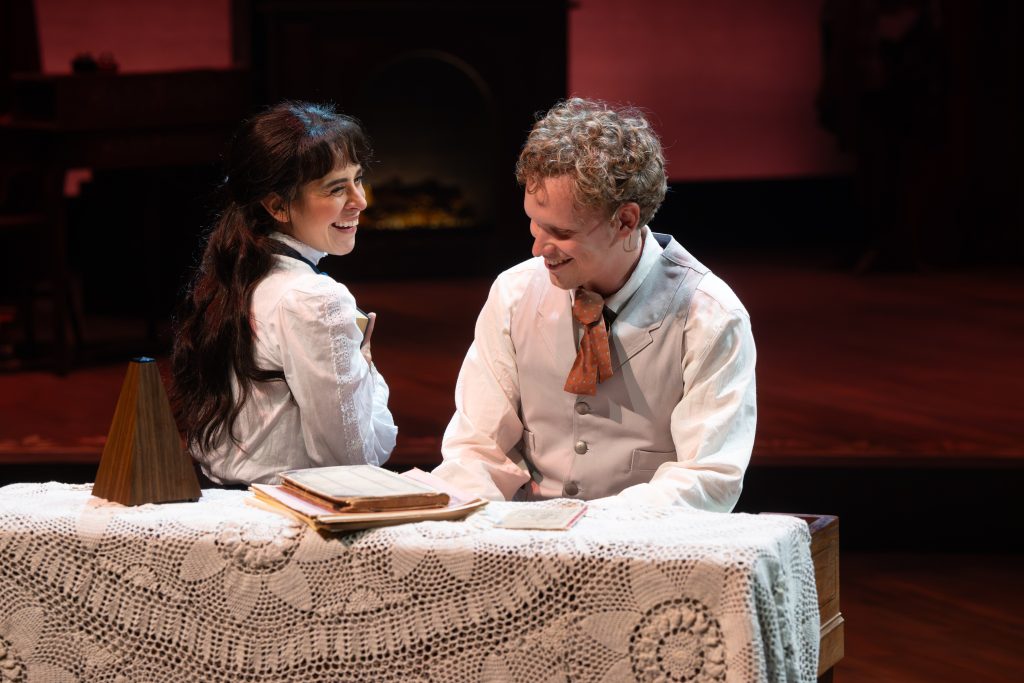
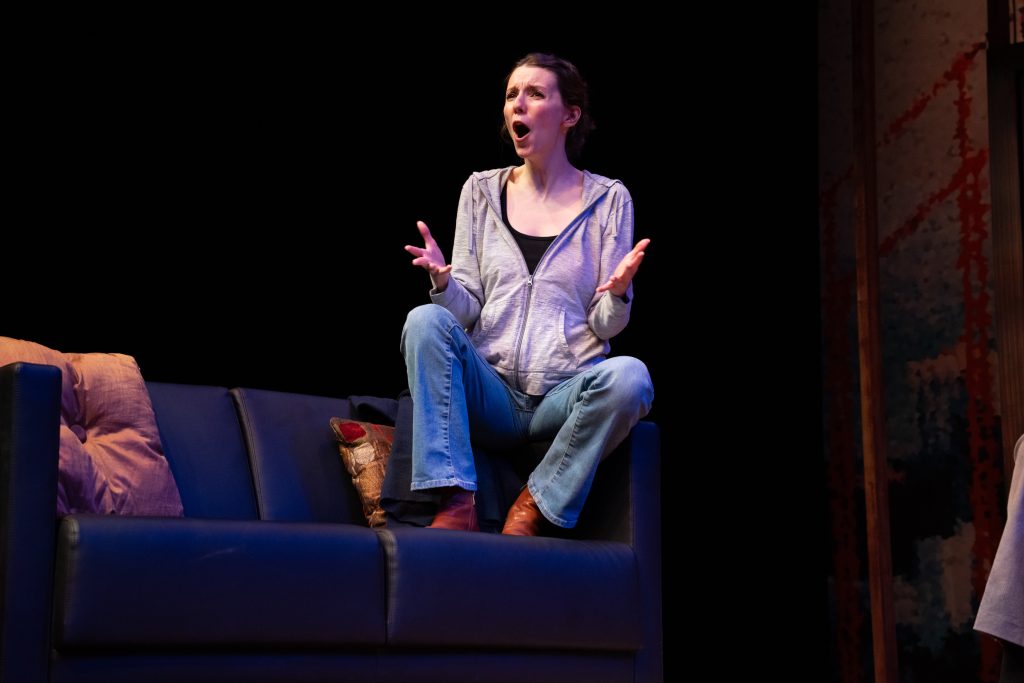
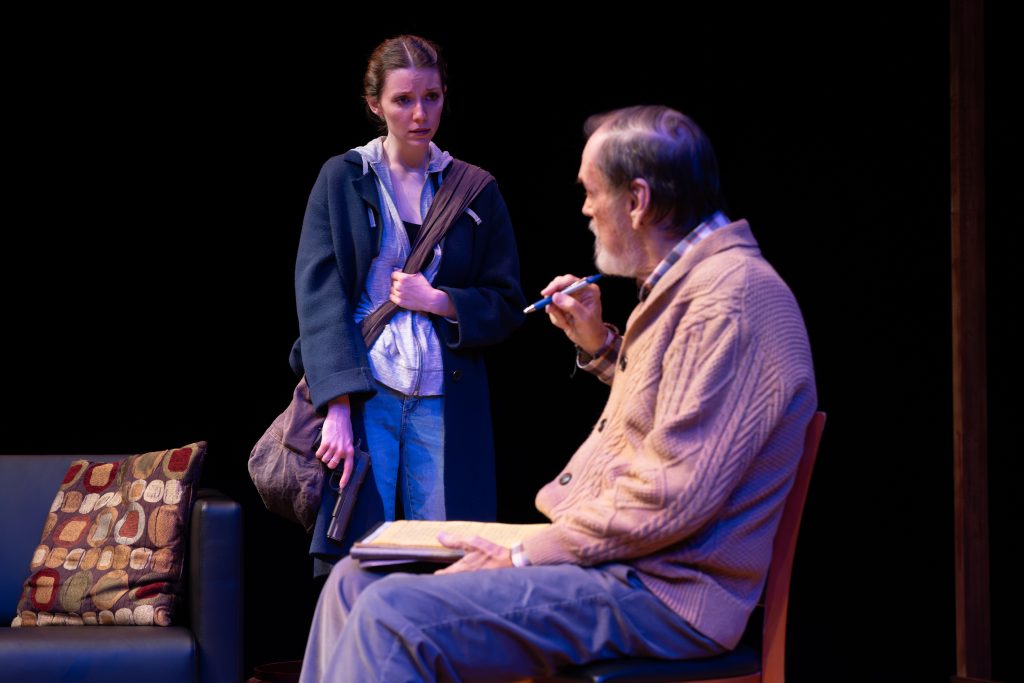
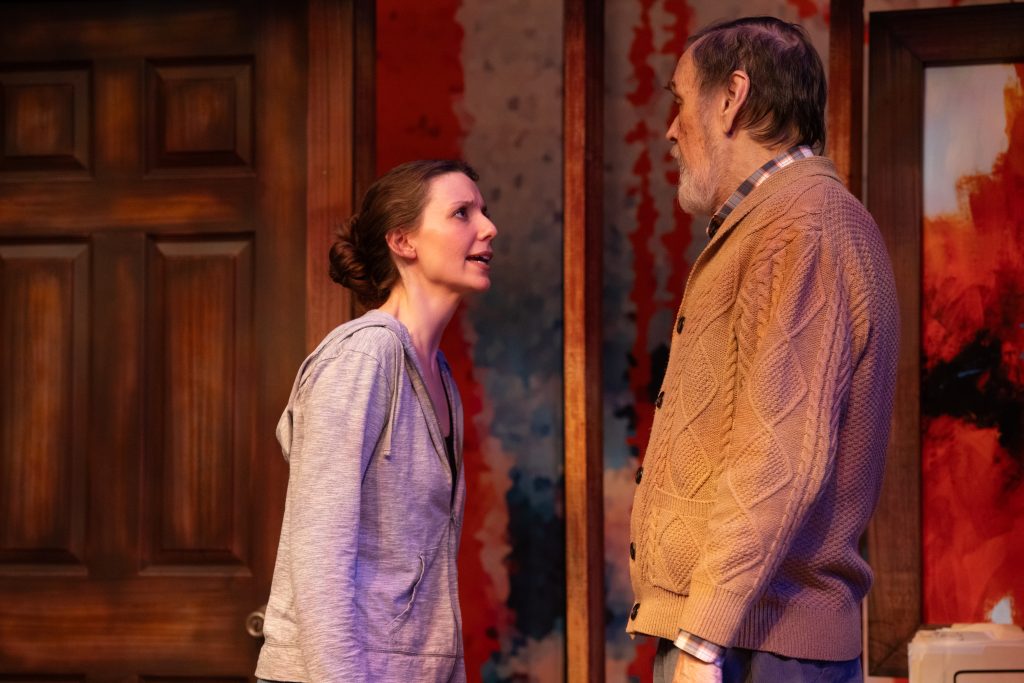
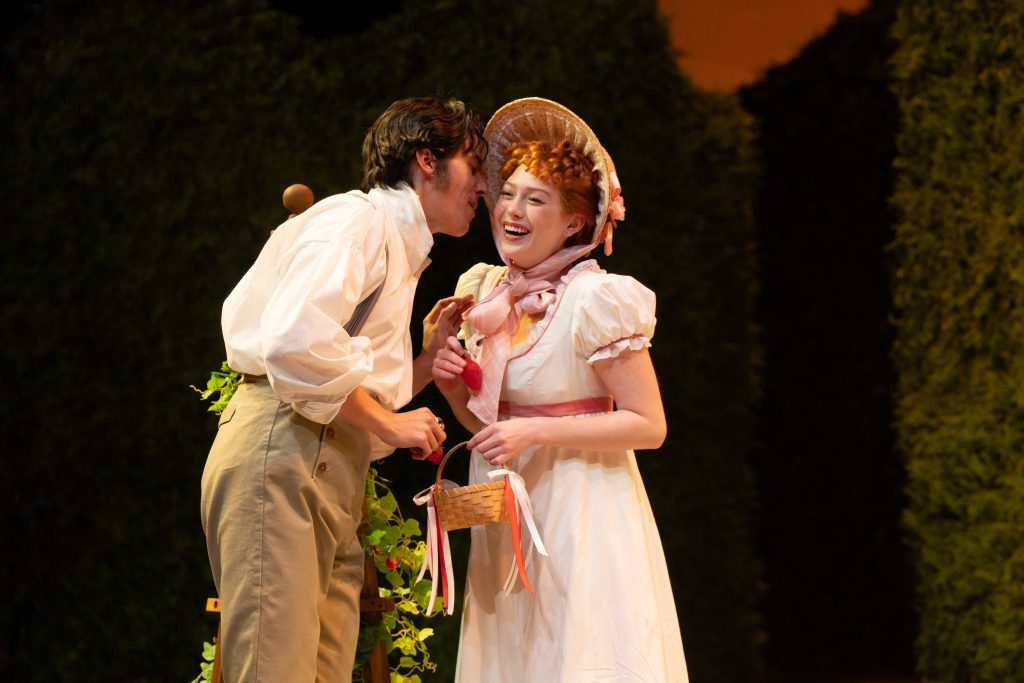
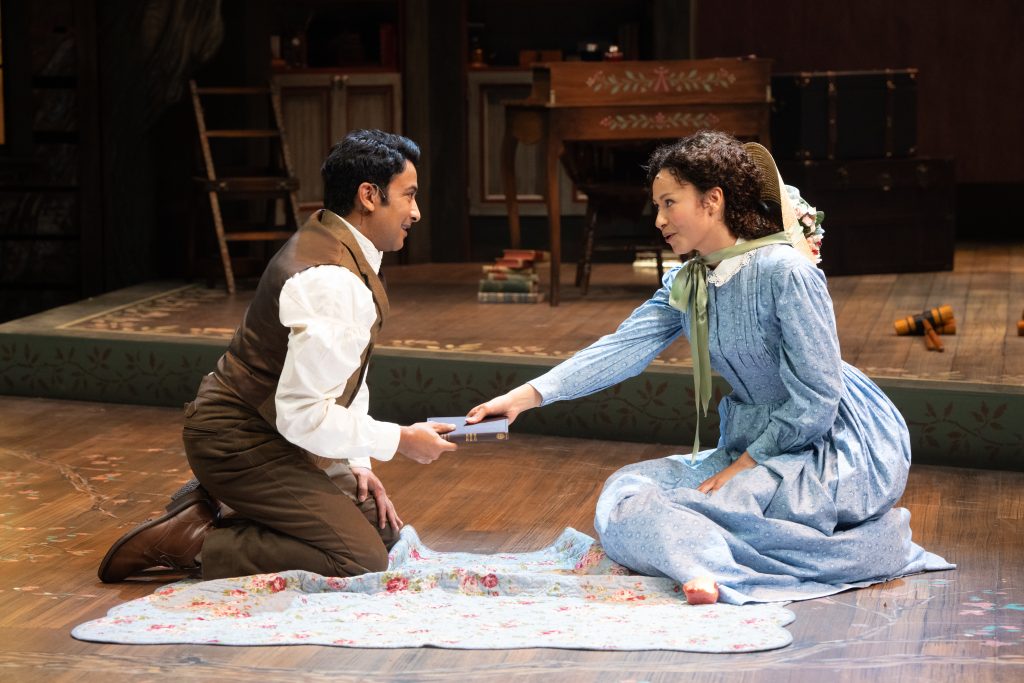
Andrea San Miguel is a major force as feisty Jo, leaning into her tomboy side, sometimes with an over-emphasis on humor. She strongly interprets a confident Jo and stubborn Louisa. San Miguel, who won the St. Louis Theater Circle for Best Performance in a Comedy, Female or Non-Binary Role, for her masterful madcap mischief in “The Cottage” last year, displays the same ease with the robust performers here.
Amira Danan is a strong loyal and nurturing Meg, who ultimately marries for love over money. Kristen Lindvedt excellently embodies the shy peacemaker Beth, who provides such joy playing music for her family. Lindvedt, also the music supervisor, plays the stage piano.
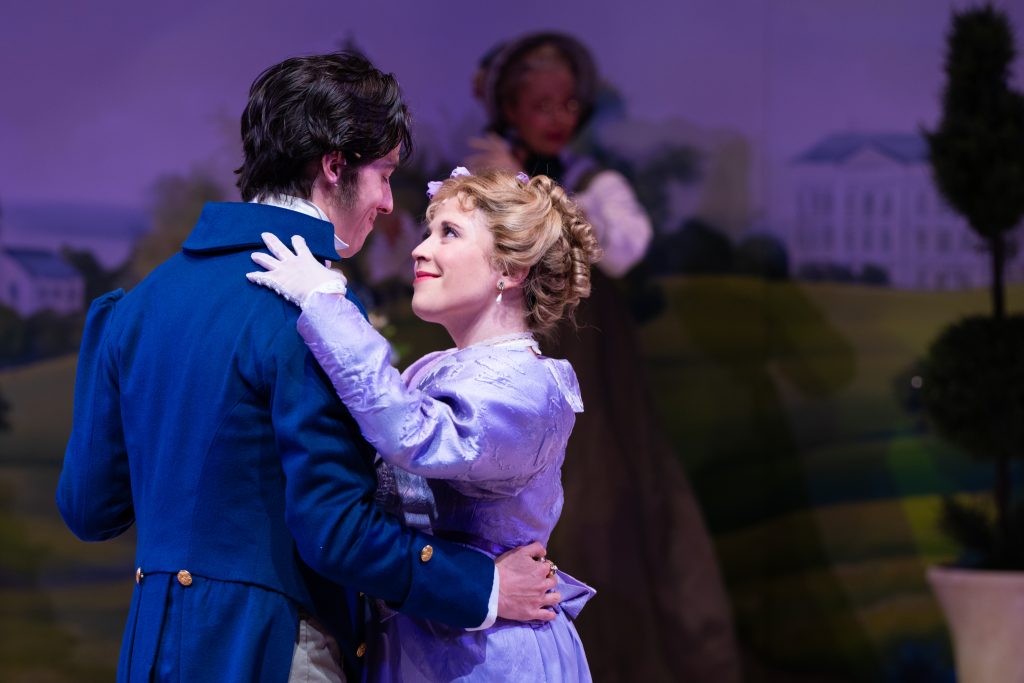
Addison Foote must grow the most as her character Amy, at first selfish and dramatic, but eventually becomes a worldly sophisticate who marries Laurie (Jack Lancaster), aka Theodore “Teddy” Laurence, their playful childhood pal now sensible adult.
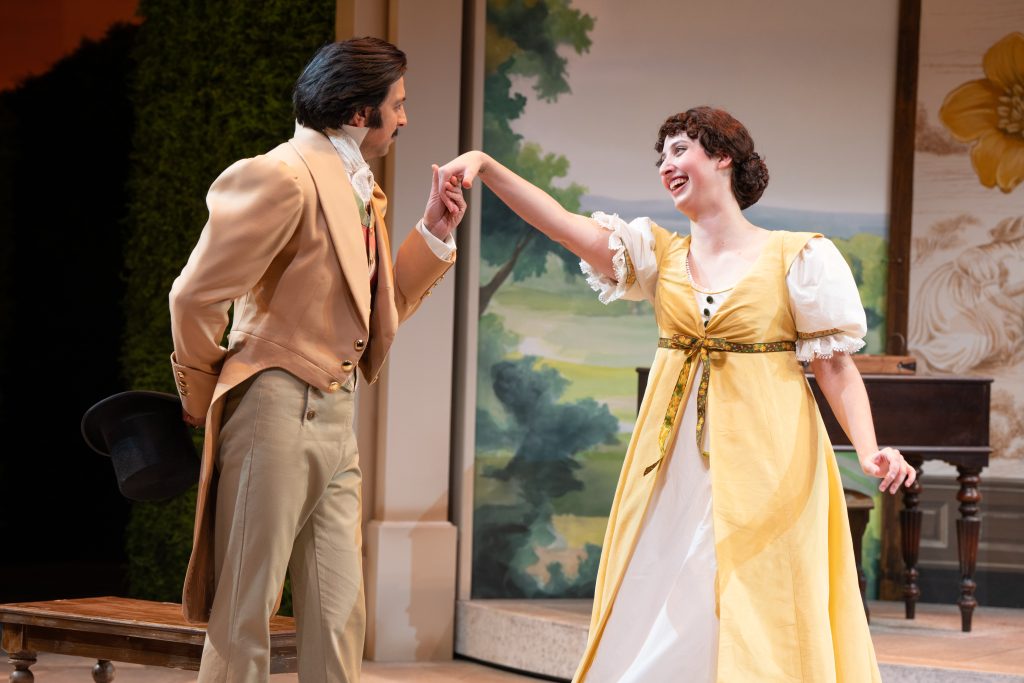
The energetic Lancaster is ideally suited as Laurie, starting off as a lonely, sheltered rich boy next door who becomes a regular fun-loving fixture in the March sisters’ lives. As a confidante and best friends with Jo, he and San Miguel have an effortless chemistry together.
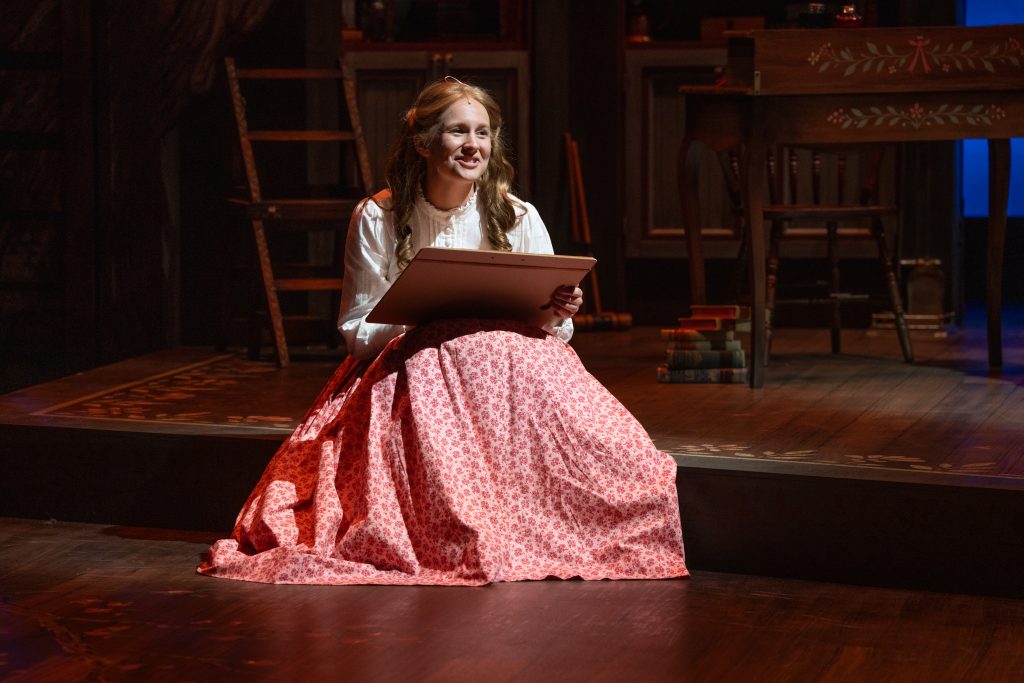
They are such kindred spirits that when Laurie mistakes platonic compatibility for romantic feelings, Jo firmly rejects him, causing a rift. He flees to Europe, where he runs into Amy, who is studying art and painting while traveling with wealthy but cantankerous Aunt March (Marcia Pizzo in a dual role).
Eager for new horizons to fuel her literary ambitions, Jo travels to New York City, where she works as a governess and sells stories to publications. At her boarding house, she meets the kind and highly educated Professor Bhaer, who shares her passion for literature. He’s mature, respectful and hard-working. The spark is there; he and Jo will eventually share a wonderful life together, letting love in (“Little Men,” “Jo’s Boys”).
Adam Poss capably plays both Meg and Jo’s future good-guy husbands – earnest John Brooke and honorable Friedrich Bhaer. He’s first seen as Laurie’s tutor Mr. Brooke, who falls in love with Meg, then he enters late in the second act as the older German professor. He seamlessly transitions to each part and has a comfortable, steady presence on stage. He also briefly appears as the March patriarch.
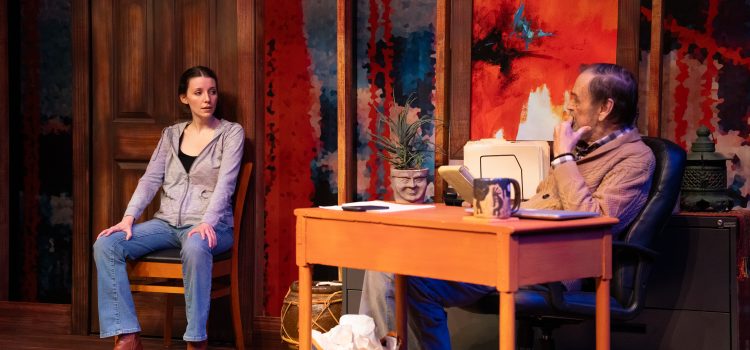
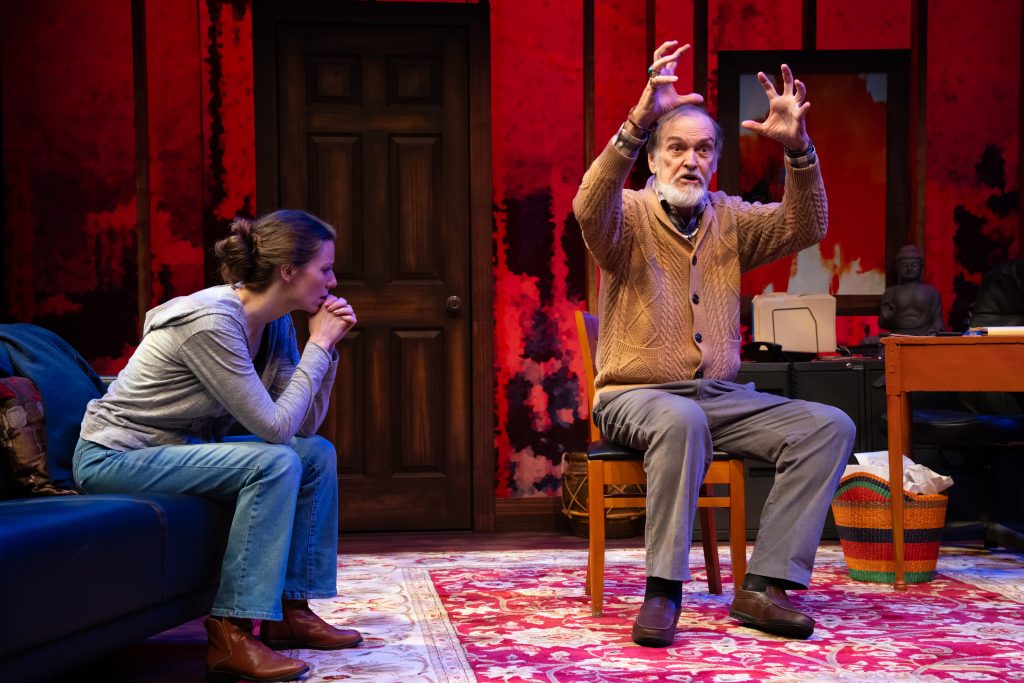
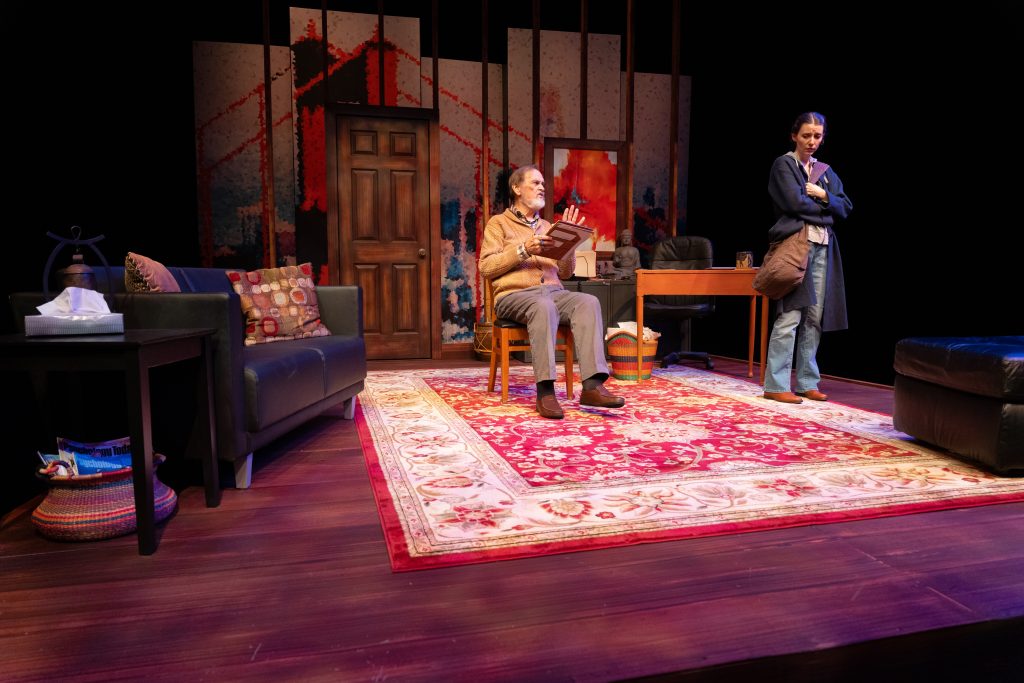
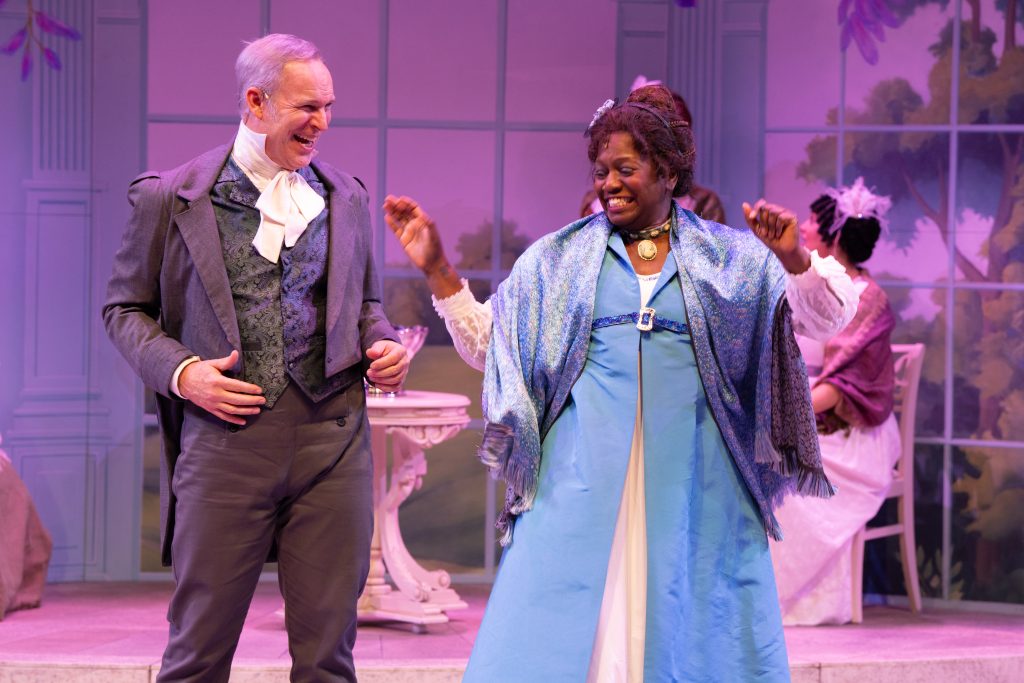
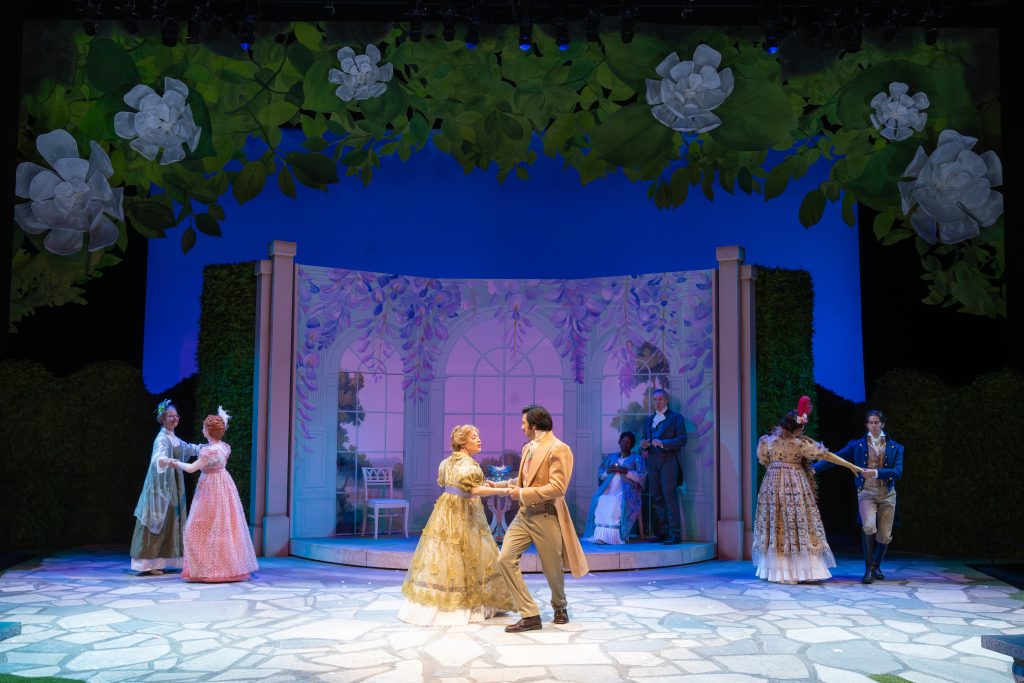
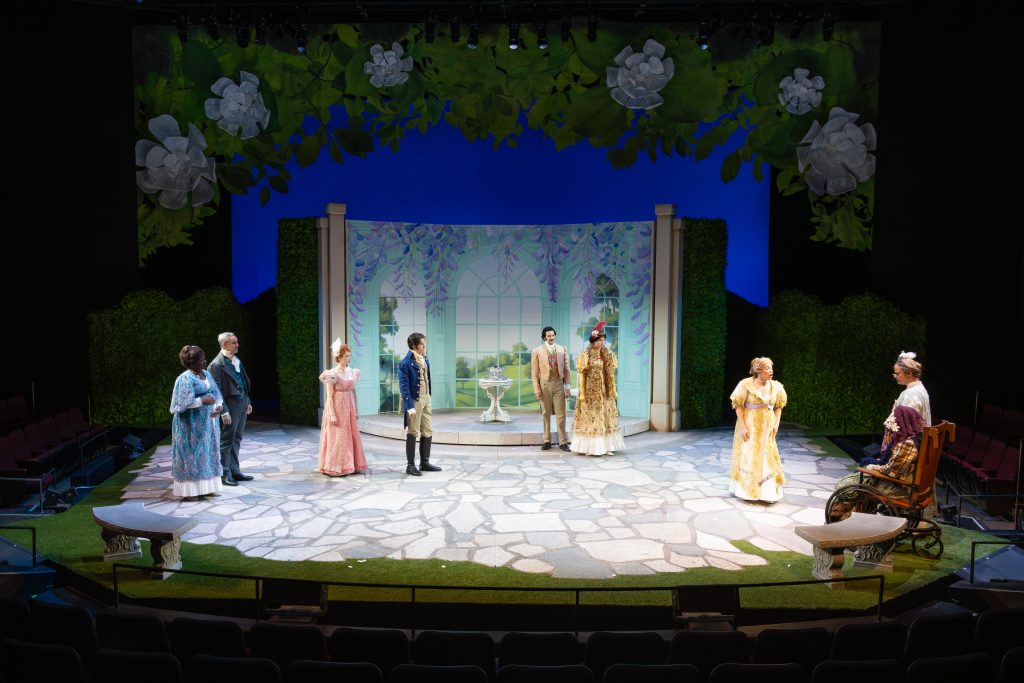
Piggins’ fluid direction easily moves characters through the home, which scenic designer Ann Beyersdorfer has filled with books, mementoes, functional furniture and a small piano for Beth. The modest, lived-in New England aesthetic includes an outdoor area – for playing on the ice, dancing, and conversations. A second-floor window indicates the Laurence home. Lighting designer Paige Seber has shifted moods and seasons with her lighting choices that complement the set.
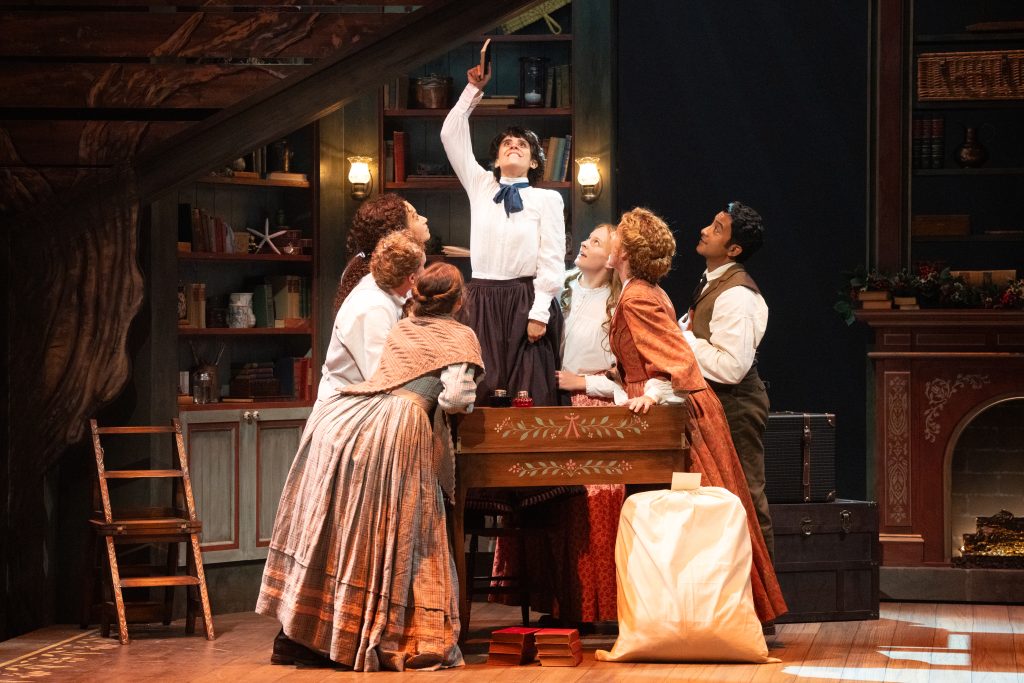
The costumes that Kotryna Hilko designed not only fit the period and economic status of the characters, but don’t bog down the performers in their active scenes, flowing well in movement, even with shawls and coats. With a few changes in jackets, Poss becomes three different characters.
To be in a theater alive with an effusive audience who believes in the deep value of female independence and creativity was meaningful Friday, a feeling I have carried – well, re-ignited, since that night. Those female voices, once found, carry.
Infused with Gunderson’s vitality and showcasing appealing performers, the Rep’s “Little Women” demonstrated that Louisa May Alcott’s populist work is timeless, sisterhood is a necessary emotional component in our lives, and women seizing their own journey with gusto is reason enough to stand up and cheer loudly.
The Repertory Theatre of St. Louis presents “Little Women” from Sept. 9 to Sept. 27 on the mainstage Browning Theatre in the Loretto-Hilton Center on the Webster University campus. For more information on tickets, call the box office at 314-968-3925 or visit www.repstl.org. For ticket deals, be sure to check out: www.repstl.org/ways-to-save

Lynn (Zipfel) Venhaus has had a continuous byline in St. Louis metro region publications since 1978. She writes features and news for Belleville News-Democrat and contributes to St. Louis magazine and other publications.
She is a Rotten Tomatoes-approved film critic, currently reviews films for Webster-Kirkwood Times and KTRS Radio, covers entertainment for PopLifeSTL.com and co-hosts podcast PopLifeSTL.com…Presents.
She is a member of Critics Choice Association, where she serves on the women’s and marketing committees; Alliance of Women Film Journalists; and on the board of the St. Louis Film Critics Association. She is a founding and board member of the St. Louis Theater Circle.
She is retired from teaching journalism/media as an adjunct college instructor.