
By CB Adams
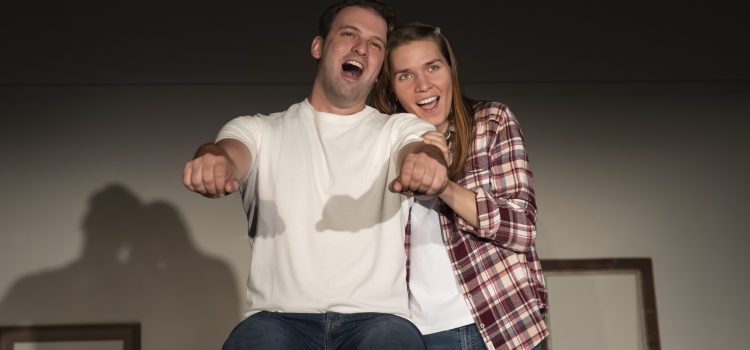
Union Avenue Opera’s inaugural One-Act Festival is intimate in scale and ambitious in reach, a chamber-sized gesture that embraces the big questions shaping our moment — race, gender, justice, identity.
By pairing “dwb (driving while black)” and “As One,” the company affirmed opera’s ability to thrive in spectacle and in distillation, to fill a grand hall and also to transform a close space into a forum for empathy.
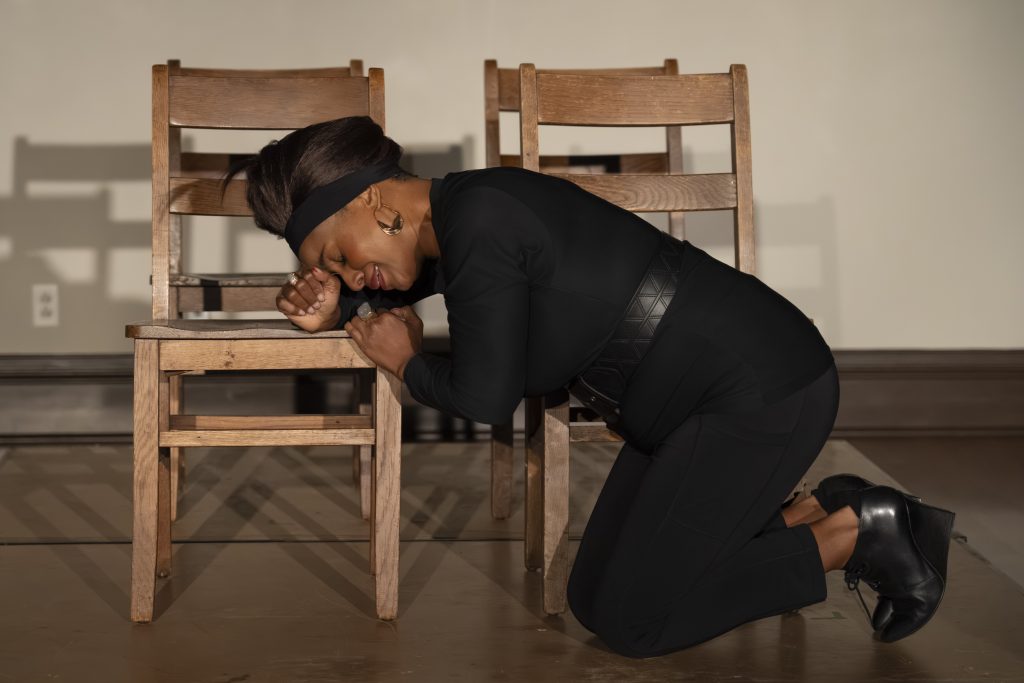
“dwb (driving while black)” — Urgency in Compression
“dwb (driving while black),” composed by Susan Kander with words by Roberta Gumbel, follows a Black mother from the moment of birth through the long arc of raising a son. The opera charts a continuum of love, vigilance and reluctant instruction in how to survive, compressing years into a concentrated meditation.
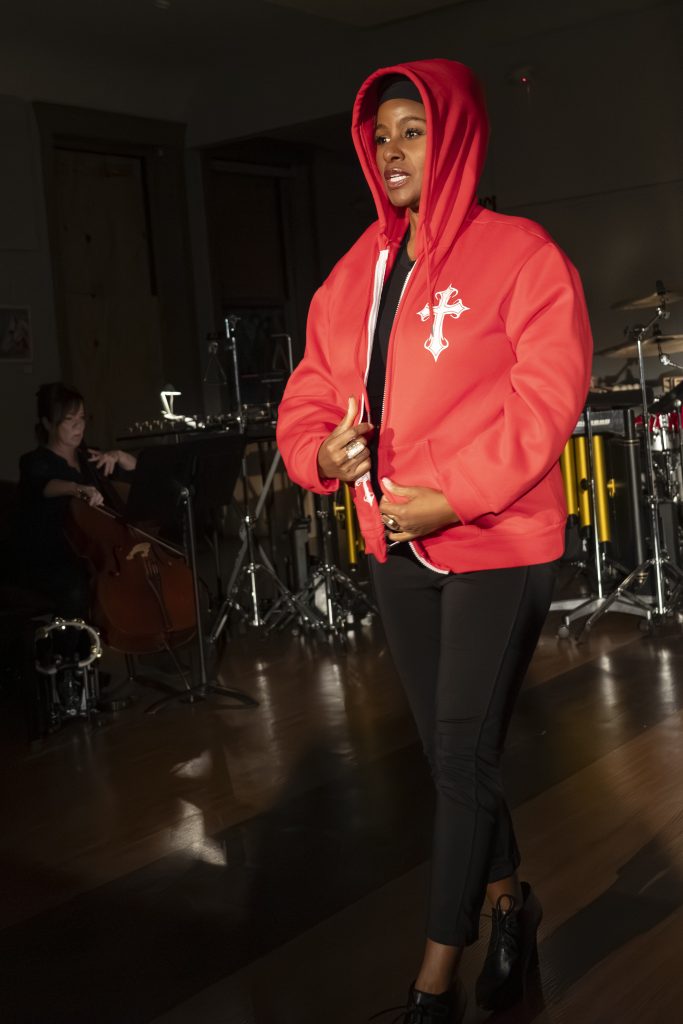
Soprano Marsha Thompson brought to the role a warm, agile soprano with strength and flexibility. She carries emotional nuance through her upper and middle registers and meets its dramatic demands with secure technique — qualities evident in her performances elsewhere in roles such as Violetta, Aïda and Tosca.
Her familiarity with the part, including past performances with Fort Worth Opera, lent her assurance and depth. She moved from tenderness to unease with natural poise, always anchoring the story in a mother’s love.
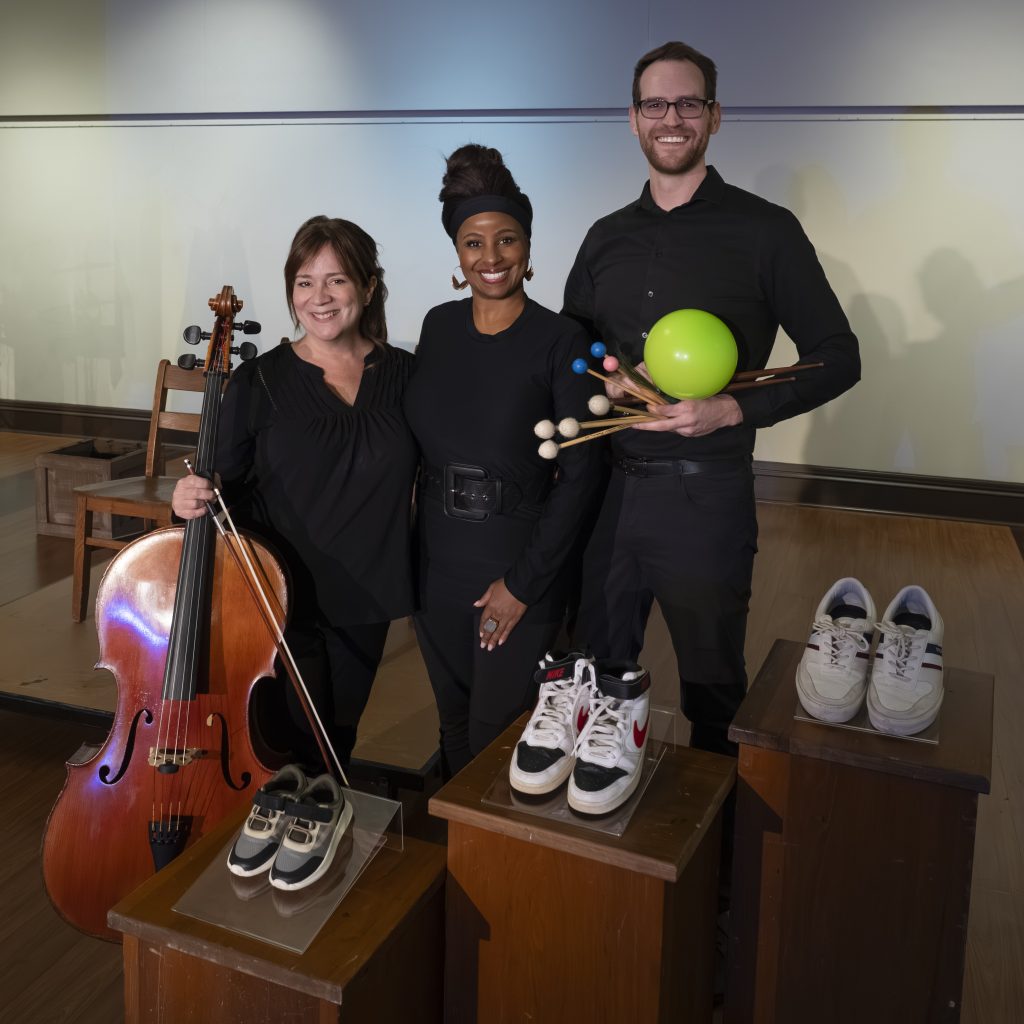
Director Ivan Griffin staged the work with economy, allowing the smallest gestures to resonate. The motif of shoes — baby shoes, boyhood sneakers, grown-up lace-ups — provided a visual shorthand eloquent in its simplicity.
In a festival devoted to brevity, this staging showed how objects can tell stories and how music can give them voice.
“As One” — Duality and Discovery
“As One,” by Laura Kaminsky with Mark Campbell and Kimberly Reed, is the most performed contemporary opera in North America, and Union Avenue’s staging marked its first appearance in St. Louis. The milestone carried weight, and the company embraced it fully.
The opera follows Hannah, a transgender woman, through two voices — lyric baritone Evan Bravos as “Hannah Before” and lyric mezzo-soprano Emma Dickens, a St. Louis artist, as “Hannah After.”
Bravos, with his impressive range, has performed the role with Opera Santa Barbara and other companies, and his experience gave him a confident presence that anchored the evening.
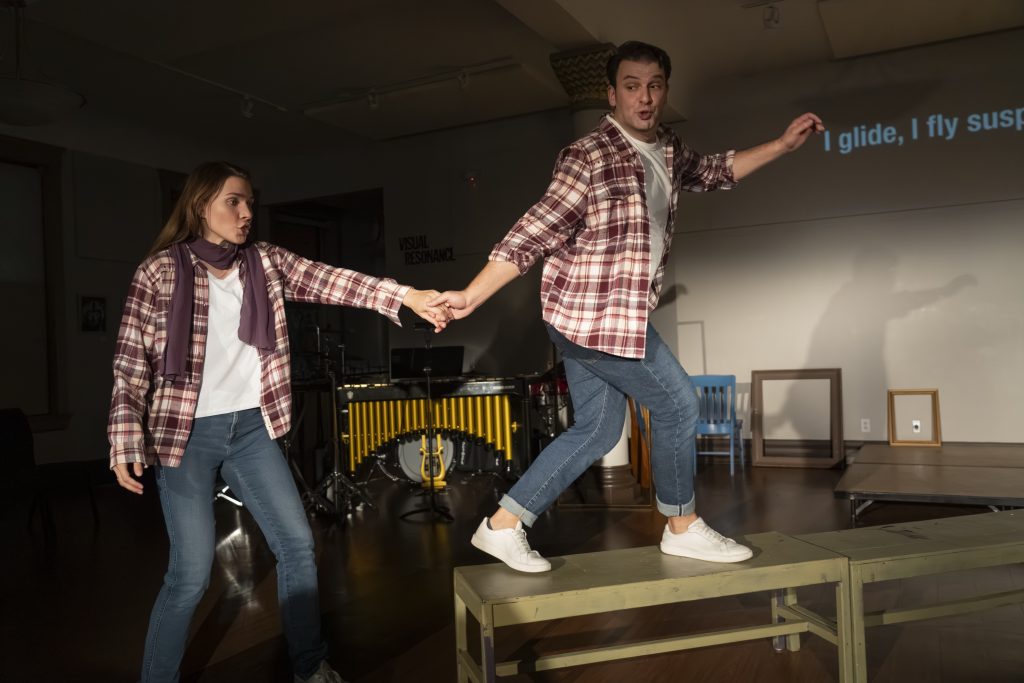
Dickens sang with warmth, flexibility and a rich middle voice, her local presence giving the work an added resonance. Together they created a dialogue of memory and emergence that edged, with beauty and persuasion, toward unity.
The production of “As One” also included a visual narrative of still photographs and video to illustrate Hannah’s journey. These images complemented the action thoughtfully, and yet the magnetism of Bravos and Dickens drew attention primarily to their interplay. I
n a larger space, projected more expansively, the visuals could carry greater weight; in the gallery setting, the storytelling was carried most powerfully by the singers themselves.
Director Joan Lipkin, in her opera debut, emphasized resilience and humor, qualities underscored by Scott Schoonover’s musical direction. Kaminsky’s score is rhythmic and lyrical, and Reed’s lived experience infused the libretto with authenticity. Together the creative team shaped a work of immediacy and poignancy.
The Music and the Musicians
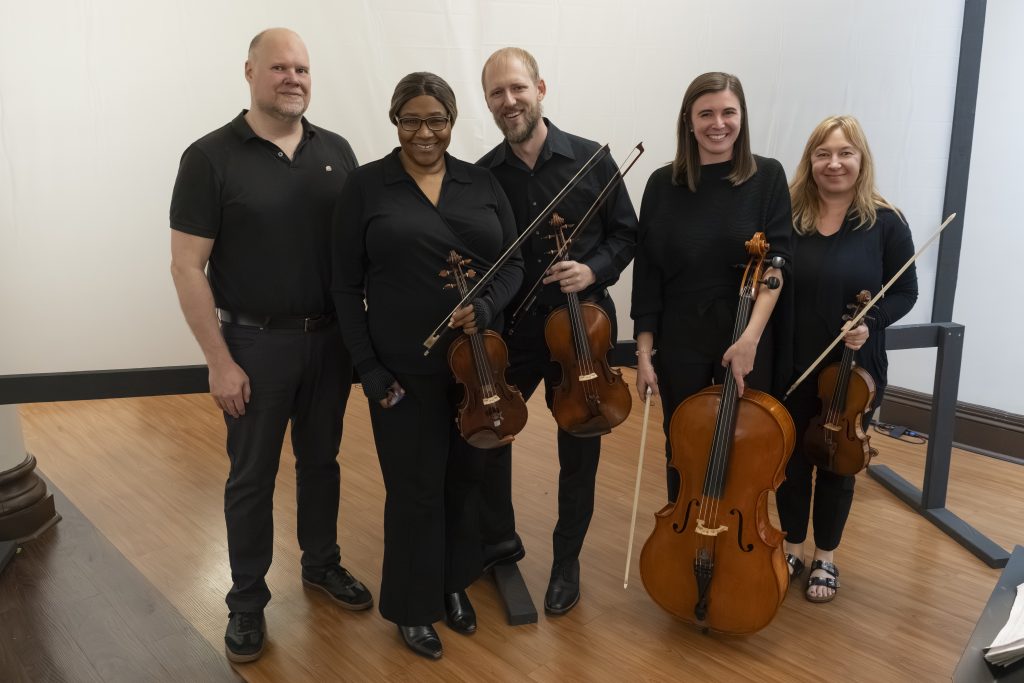
Both operas gained strength from committed playing and Schoonover’s clear leadership. In “dwb,” the pairing of cello and percussion created a spare frame that heightened the impact of Thompson’s performance.
In “As One,” Kaminsky’s writing unfolded with beauty and urgency, performed with conviction by Bravos and Dickens and balanced with clarity by the ensemble. The result was music-making that embraced intimacy and carried emotional sweep.
Union Avenue’s One-Act Festival ran Oct. 10–12 in the gallery of Union Avenue Christian Church.
CB Adams is an award-winning fiction writer and photographer based in the Greater St. Louis area. A former music/arts editor and feature writer for the St. Louis Globe-Democrat, his non-fiction has been published in local, regional and national publications. His literary short stories have been published in more than a dozen literary journals and his fine art photography has been exhibited in more than 40 galley shows nationwide. Adams is the recipient of the Missouri Arts Council’s highest writing awards: the Writers’ Biennial and Missouri Writing!. The Riverfront Times named him, “St. Louis’ Most Under-Appreciated Writer” in 1996.