Following the conclusion of the 2019 fiscal year on Sept. 30 — the first under the leadership of General Director Andrew Jorgensen — Opera Theatre of Saint Louis announced preliminary results that demonstrate a growing audience, positive national attention, and vibrant philanthropic support for the company.
A comprehensive audit will be completed and published in February 2020. Opera Theatre’s contributed operating support exceeded $6.49 million, or 109% of the company’s fundraising goal, and the endowment totaled more than $33 million at fiscal yearend. New donor households grew by 53%, bringing total donor households to 1,156 in 2019.
Philanthropic investment from the St. Louis community represented 75% of contributed revenue; Opera Theatre also continued to attract strong national support from funding partners including the National Endowment for the Arts and The Andrew W. Mellon Foundation.
This year, OTSL completed its five-year partnership with The Wallace Foundation, collaborating with 25 other leading performing arts organizations across the country to design, implement, and evaluate programming as participants in the Building Audiences for Sustainability initiative.
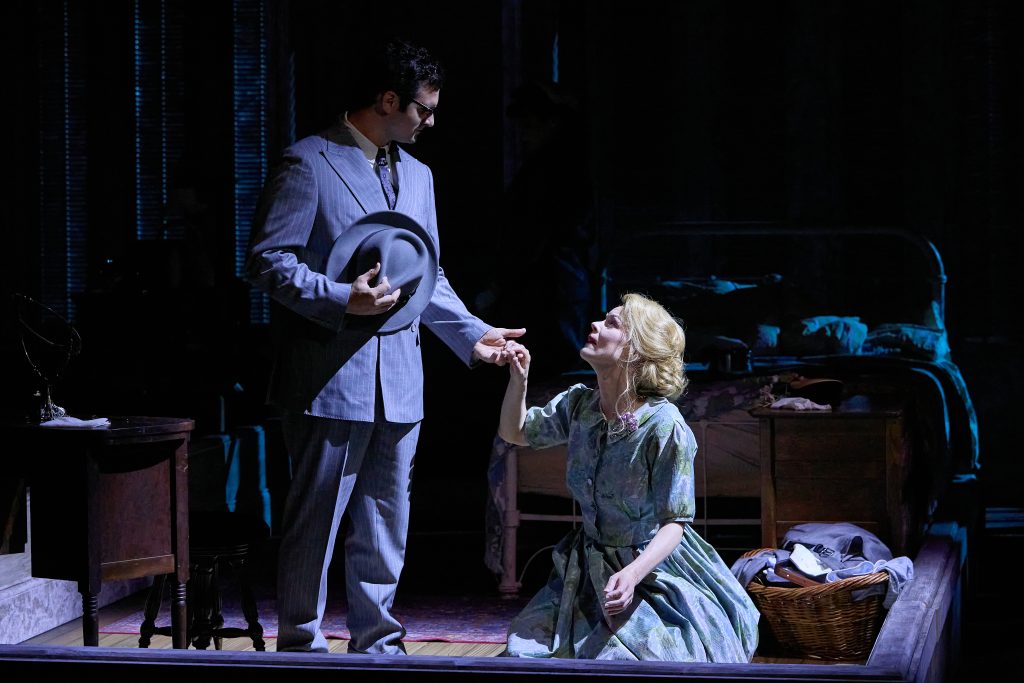
A key component of OTSL’s 2019 fundraising success was its annual spring gala in May, chaired by Kim and Tim Eberlein with Host Presenting Sponsor Centene Charitable Foundation. The event grossed more than $1 million to support the artists who bring Opera Theatre’s season to life on stage. Response to the 2019 Festival Season from audiences and press was overwhelmingly positive, driven in part by OTSL’s 28th world premiere, Fire Shut Up in My Bones, commissioned by Opera Theatre and co-commissioned by Jazz St. Louis.
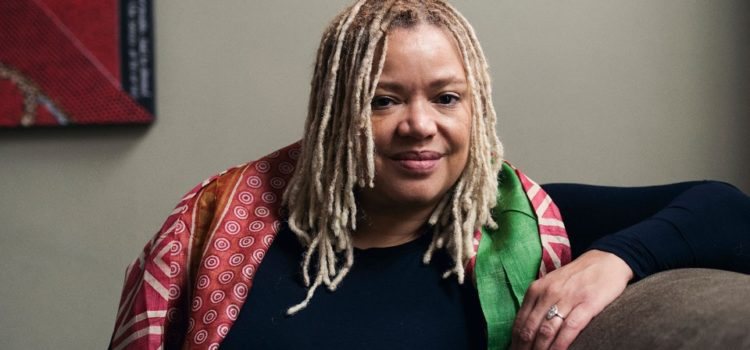
Composed by six-time Grammy Award winner and Oscar nominee Terence Blanchard with libretto by acclaimed film director Kasi Lemmons, the opera was based on the memoir of renowned author Charles Blow. Directed by OTSL Artistic Director James Robinson, this world premiere was hailed by The New York Times as “a bold and affecting adaptation” that sold out four of its six performances at OTSL.
In September 2019, the Metropolitan Opera announced it would produce Fire Shut Up in My Bones in a future season — the first production by an African American composer in the Met’s 136- year history, and the first OTSL commission to be re-mounted there. Total audience households attending Opera Theatre’s festival season increased by 6% over 2018, with ticket buyers from 46 states and 17 countries. Younger and more diverse audiences were an important component of that progress; audiences of color grew by 13% and Millennial households were up 50% over the prior year.
Ticket sales for Opera Theatre’s successful Young Friends program for audiences 45 years and younger increased by 25% and philanthropic dollars from Young Friends members grew by 19%. The national media roundly praised Opera Theatre’s 2019 Festival Season, with 5 separate features in The New York Times and more than 45 reviews in publications including The Wall Street Journal, Opera News, The St. Louis Post-Dispatch, and Chicago Classical Review.
“It’s one of the loveliest opera-going experiences anywhere, and quite unlike any other,” wrote Scott Cantrell of The Dallas Morning News. “It has been enormously gratifying to collaborate with Andrew Jorgensen during his first year as Opera Theatre’s General Director, and to see how warmly the St. Louis community has embraced him,” said Opera Theatre’s Chairman, Noémi Neidorff. “Andrew’s vision, his creativity, and his thoughtful approach are both refreshing and essential, as he leads Opera Theatre towards greater successes.”
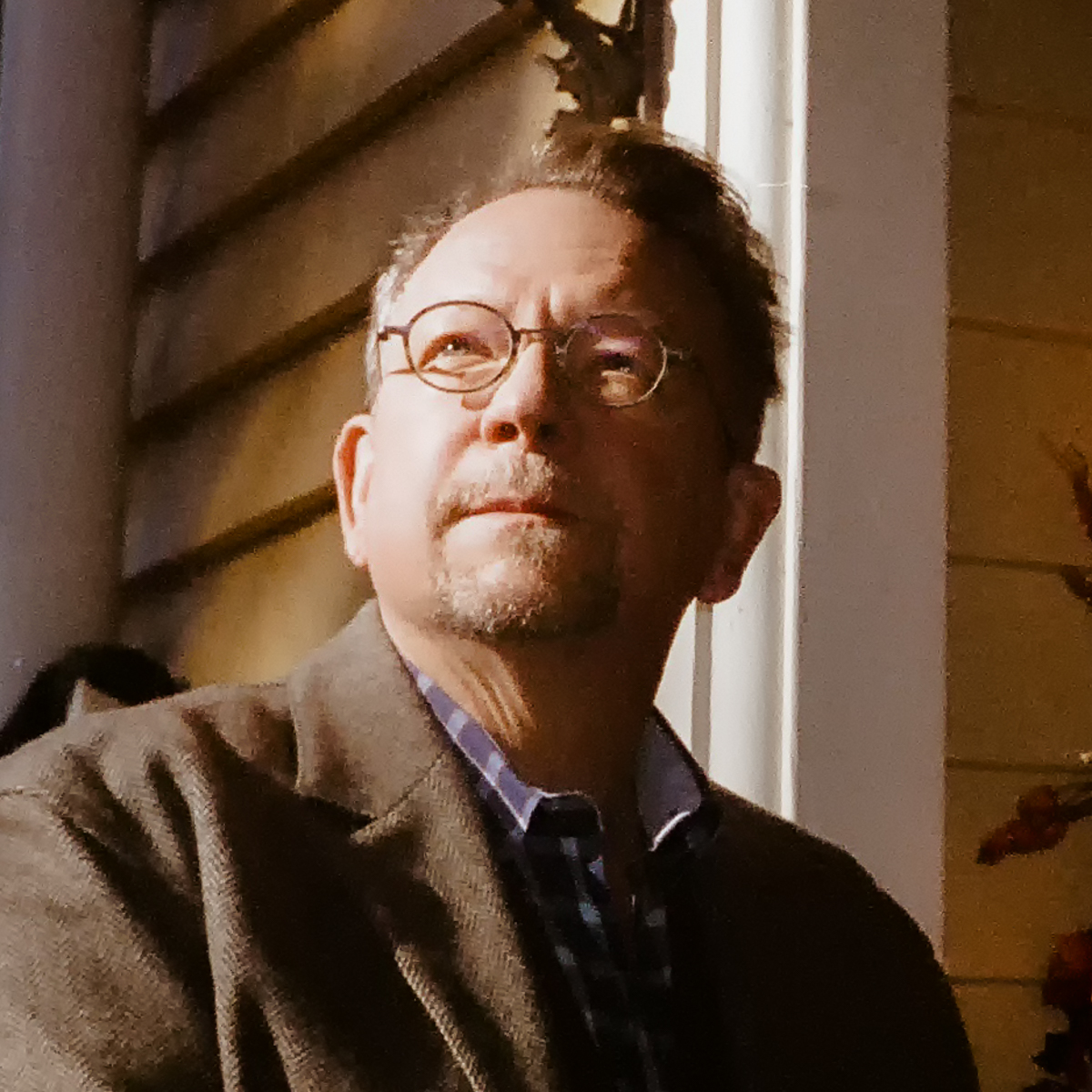
“As I reflect on my first year at Opera Theatre, I am deeply grateful to the board, staff, volunteers, and artists who made the 2019 Festival Season possible,” said General Director Andrew Jorgensen. “Our company’s long record of artistic success and fiscal responsibility is rooted in the generosity of our St. Louis community, which has provided steadfast support for all of our work including world premieres, classic repertoire, and the development of future artists and audiences alike. I am so excited to build upon this year’s achievements and look forward to what lies ahead.”
As Opera Theatre celebrates its 45th season in 2020, the company will continue to build on its strengths, shaping the future of opera through innovative new productions and the training of talented young artists. The company’s artistic team, including newly appointed Artistic Director of Young Artist Programs Patricia Racette and Director of Artistic Administration Damon Bristo, recently completed OTSL’s seven-city young artist audition tour.
A total of 1,091 singers across the country applied for the prestigious Gerdine Young Artist and Richard Gaddes Festival Artist programs; only 35 will be selected to appear in the 2020 Festival Season.
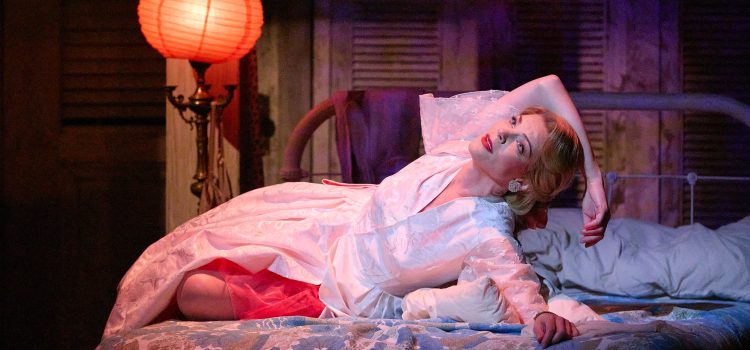
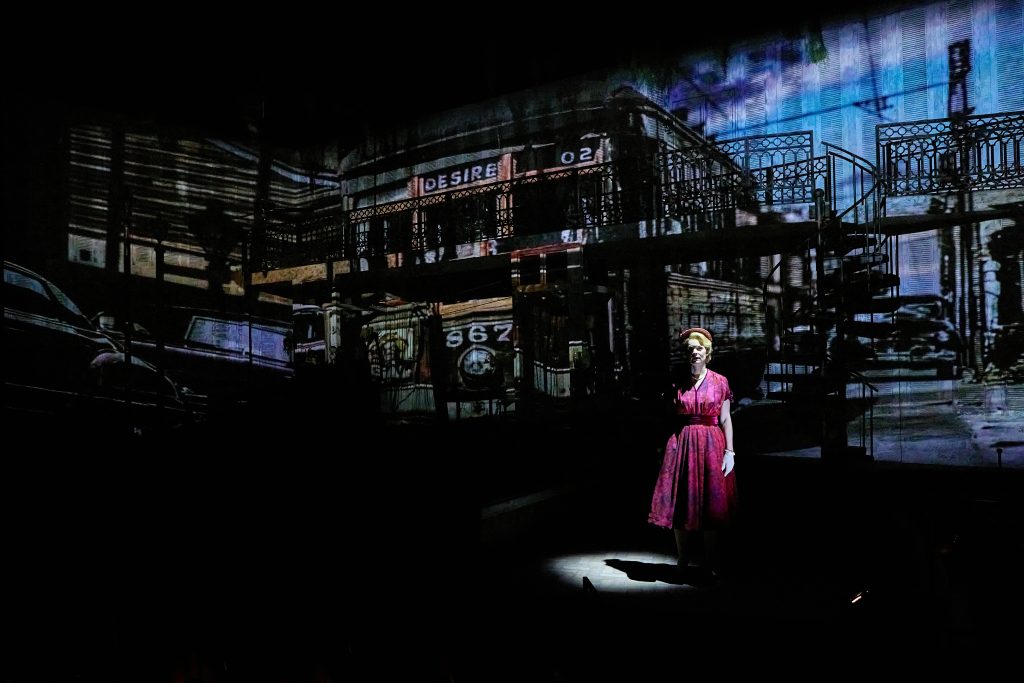
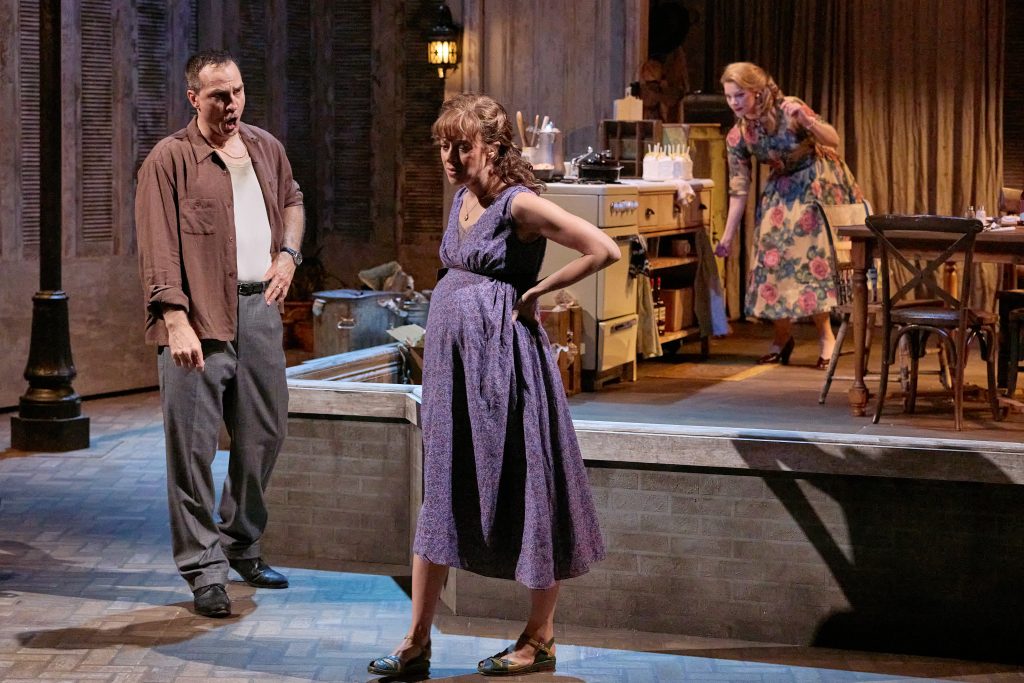
Opera Theatre’s 2020 Festival Season runs May 23 – June 28 and features Bizet’s Carmen, Strauss’ Die Fledermaus, the world premiere of Awakenings by Tobias Picker and Aryeh Lev Stollman, Floyd’s Susannah, and the annual Center Stage concert showcasing OTSL’s young artists.
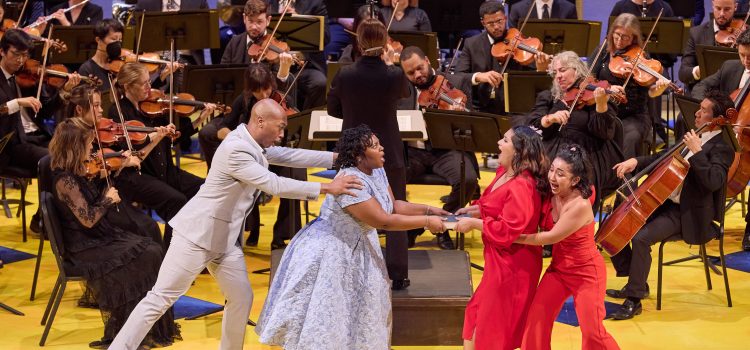
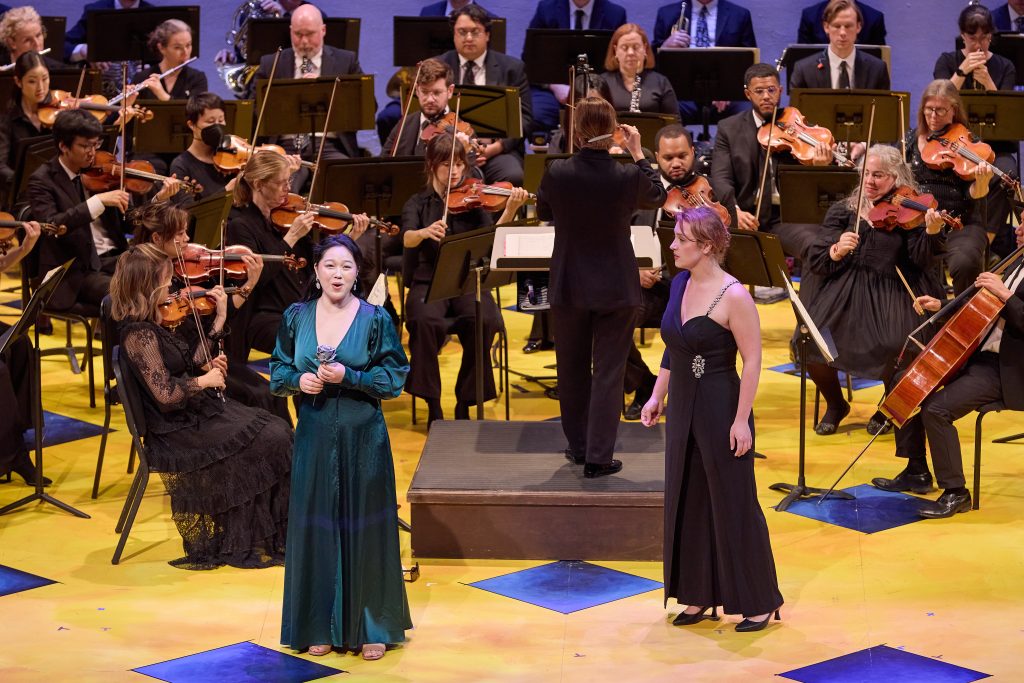
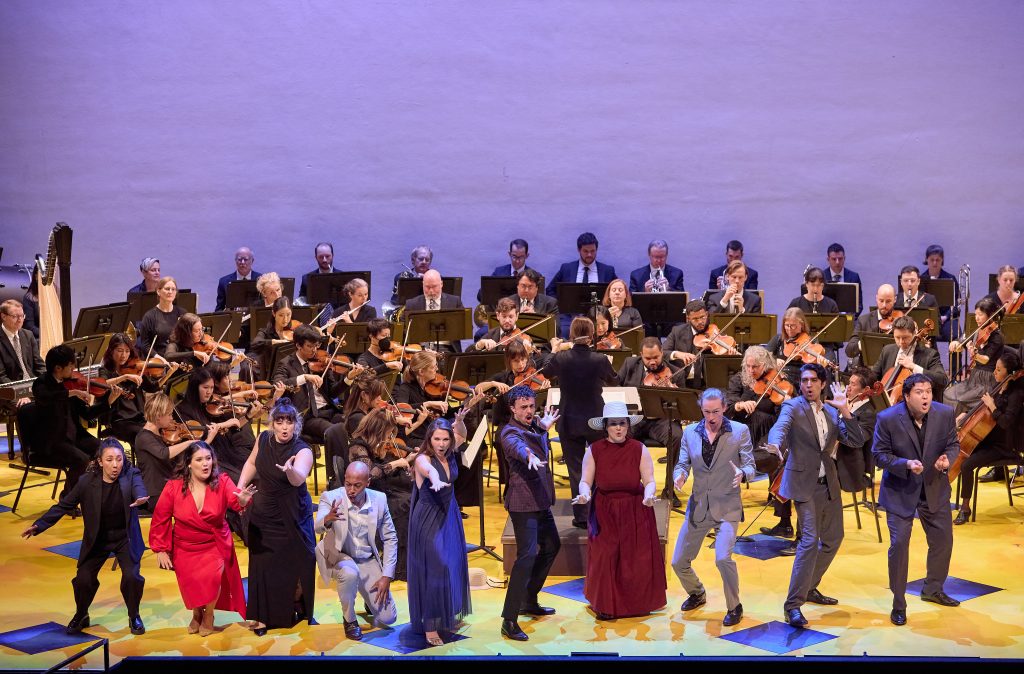
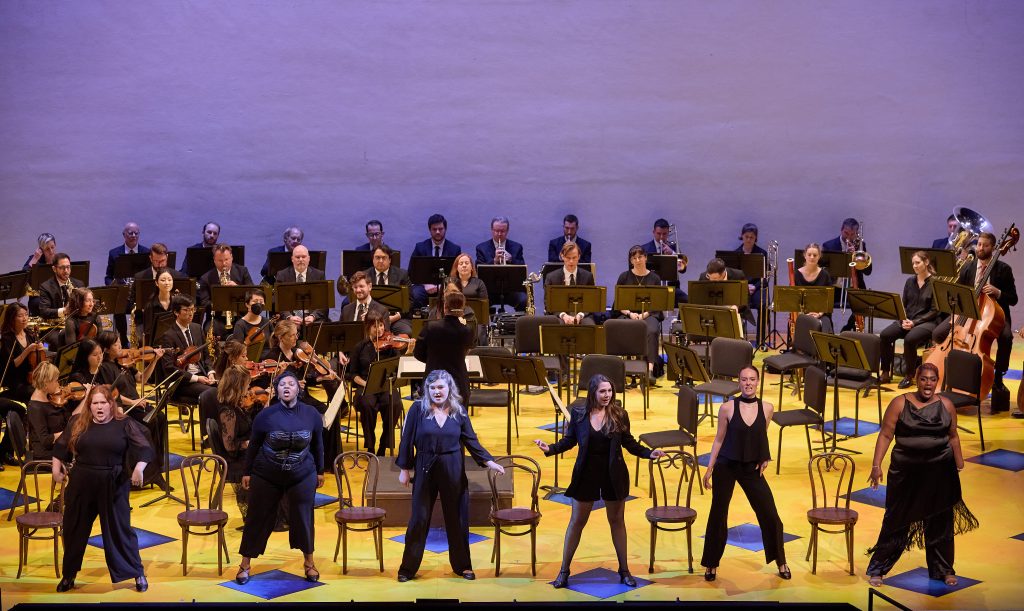
Tickets for the 2020 Festival Season start at just $25 and can be purchased online, via phone, or in person at the OTSL Box Office at the Loretto-Hilton Center. For more information about the season, visit ExperienceOpera.org or call (314) 961-0644. ### About Opera Theatre of Saint Louis Opera Theatre of Saint Louis is a spring festival featuring casts of the opera world’s most exciting singers accompanied by members of the Grammy Award-winning St. Louis Symphony Orchestra.
Each season, OTSL presents four inventive new productions in English during the months of May and June. In addition to presenting innovative interpretations of classics, OTSL is also committed to premiering new and relevant operas by prominent composers; since its inaugural season in 1976, 28 operas have received their world premieres at Opera Theatre. T
he company’s competitive young artist programs foster the next generation of emerging American singers; these programs have been a springboard for countless artists to launch international careers.
OTSL is led by General Director Andrew Jorgensen and Artistic Director James Robinson. Opera Theatre of Saint Louis is funded in part by the Regional Arts Commission, Arts and Education Council, National Endowment for the Arts, and the Missouri Arts Council. Opera Theatre gratefully acknowledges Webster University for its sustaining partnership
Lynn (Zipfel) Venhaus has had a continuous byline in St. Louis metro region publications since 1978. She writes features and news for Belleville News-Democrat and contributes to St. Louis magazine and other publications.
She is a Rotten Tomatoes-approved film critic, currently reviews films for Webster-Kirkwood Times and KTRS Radio, covers entertainment for PopLifeSTL.com and co-hosts podcast PopLifeSTL.com…Presents.
She is a member of Critics Choice Association, where she serves on the women’s and marketing committees; Alliance of Women Film Journalists; and on the board of the St. Louis Film Critics Association. She is a founding and board member of the St. Louis Theater Circle.
She is retired from teaching journalism/media as an adjunct college instructor.