Singer-actor Kelvin Roston Jr. is a man on a mission, and he pours his heart and soul into a revealing portrait of soul singer Donny Hathaway.
However, his haunting one-man show “Twisted Melodies” is more than a bravura performance – he shines the spotlight on complicated mental health issues to lead us to further understanding.
Sure, you’ve heard Hathaway’s music – at least every holiday season “This Christmas” is playing in stores, on car radios, and at home. His signature cover of Leon Russell’s “A Song for You” is considered one of his finest, as is John Lennon’s “Jealous Guy,” and his duet with Roberta Flack on “Where Is the Love?” won a Grammy Award in 1973.
The audience acknowledged familiarity with his first hit, “The Ghetto,” from his album debut “Everything Is Everything” in 1970 as soon as it played. After all, Hathaway was born in St. Louis on Oct. 1, 1945, and has a deep fan base here.
Hathaway was raised by his grandmother Martha Pitts, a professional gospel singer, in the Carr Square housing project. He graduated from Vashon High School in 1963, and earned a fine arts scholarship to Howard University, where he majored in music theory.
Because of his illustrious career and enduring impact, he was inducted into the St. Louis Walk of Fame in 2013. His star is located at 6165 Delmar Blvd. in University City.
But what was happening behind the music is a tragic story that silenced his expressive voice. The gifted musician and songwriter suffered from mental illness. At age 33, he plunged to his death from an Essex Hotel window in Chicago on Jan. 13, 1979.
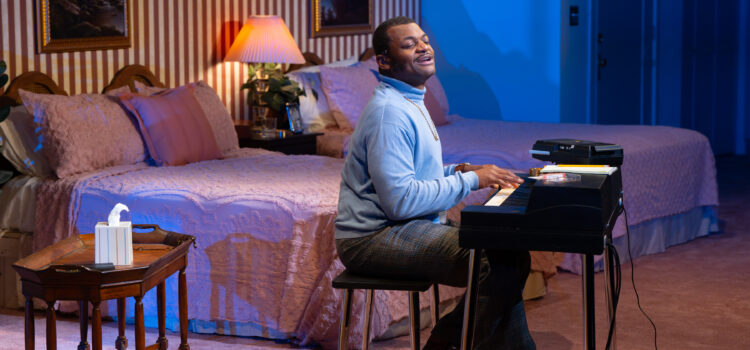
Kelvin Roston. Photo by Jon Gitchoff
This captivating, mournful story takes place on that fateful day inside Hathaway’s hotel room — and inside his head – as he battled demons his adult life. A paranoid schizophrenic, he wasn’t keen on keeping up with a rigorous prescription medicine route, and therefore, his behavior became increasingly erratic.
In a devastating scene, he described all the unpleasant side effects of the pills he was prescribed. Those who loved him could not help.
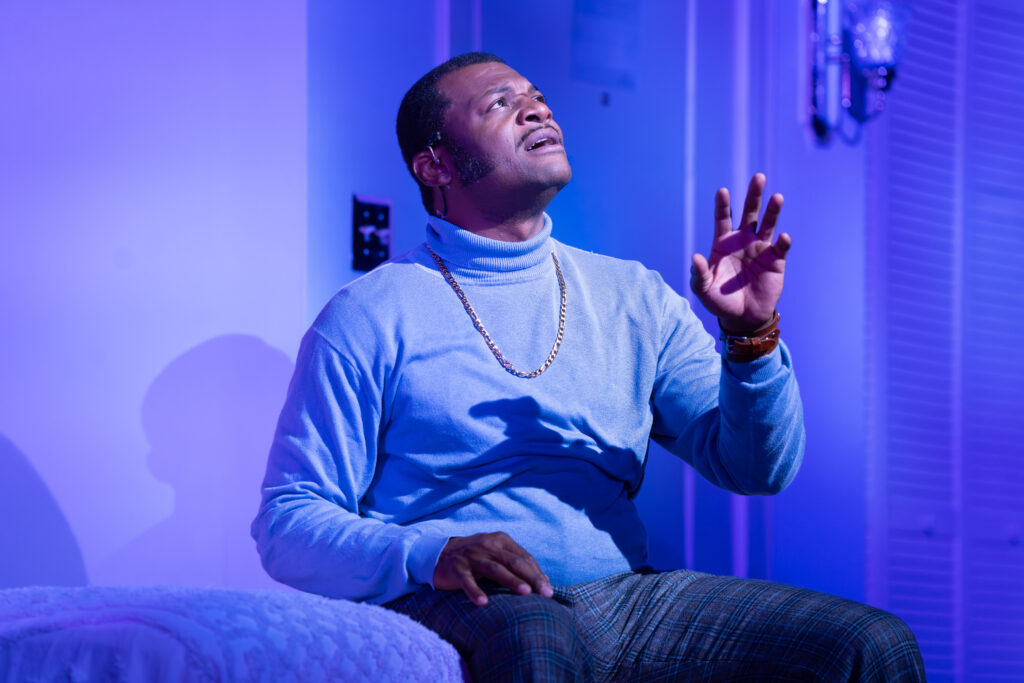
Roston conveys both Hathaway’s talent and his torment in a heartfelt and heartbreaking performance, displaying his expert musicianship and his powerful voice. He deeply feels the music.
Roston, who is also from St. Louis but currently based in Chicago, began shaping the play when he was an intern at the Black Rep. Caring so passionately about this man and his music, he brought this personal story to the Black Rep in 2016 – and was nominated for a St. Louis Theater Circle Award for Outstanding Actor in a Drama. Since the world premiere in 2015 in Chicago, he has taken his show across the country.
Roston, who attended Cardinal Ritter High School, recently won a Joseph Jefferson Award in Chicago for Best Actor for his performance as “King Hedley II,” August Wilson’s play staged at The Court Theatre.
In his courageous portrayal, Roston brings out Hathaway’s caring, vulnerable personality by reminiscing about his childhood, college years, collaboration with Flack, meeting his wife, and the love for his daughter.
He also flips quickly to indicate a darker force, an all-consuming inner turmoil, as he is convinced someone is stealing his music by hooking up his brain to a machine.
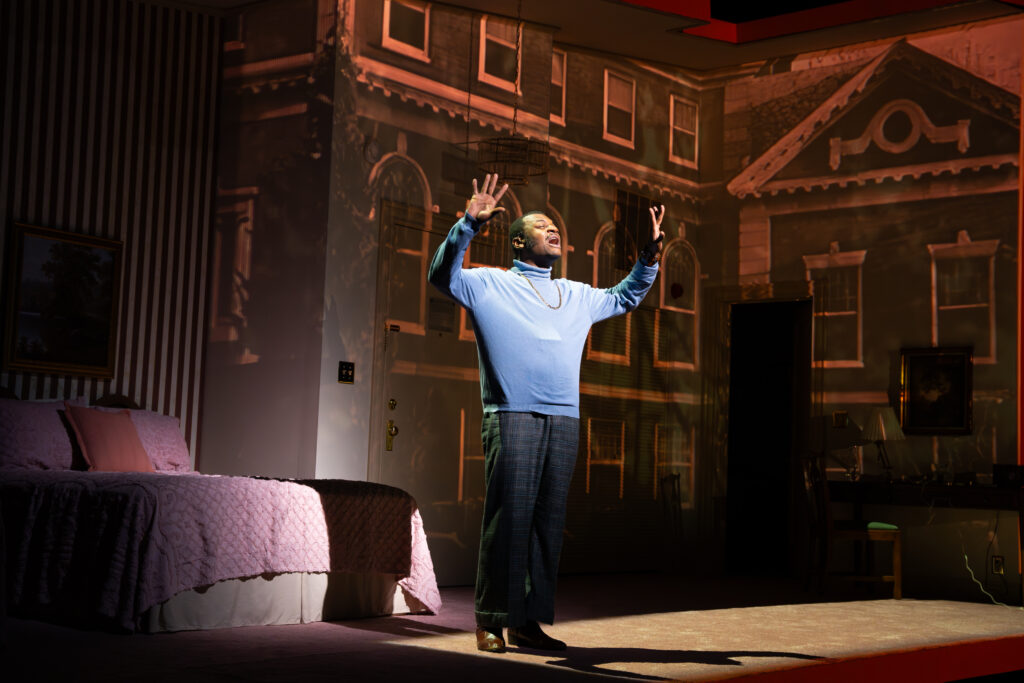
As he struggles to maintain sanity, we hear discordant sounds, the lights become harsher, and visuals distort. Projection designer Mike Tutaj provides different images on the hotel room walls. Xavier Pierce’s lighting and G Clausen’s sound design add to the heightened emotions.
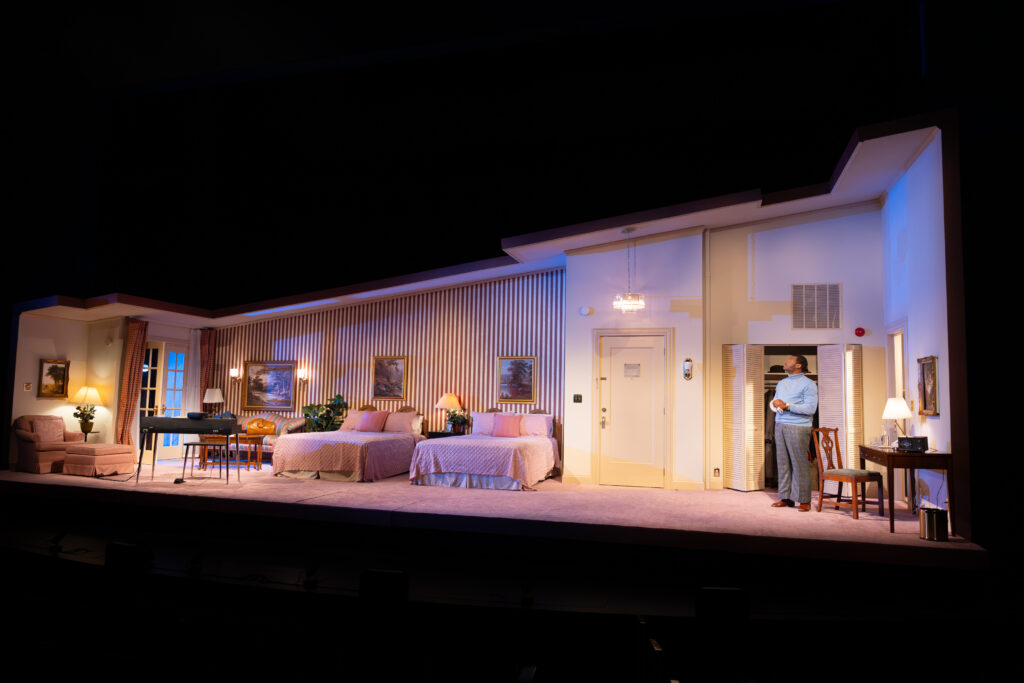
Set designer Tim Mackabee’s accurate depiction of a tastefully appointed hotel room 44 years ago can appear spacious, then claustrophobic, almost like a prison, while Roston is presenting composing at his keyboard normally, then switching to the terror of Hathaway’s reality.
Roston as Donny Hathaway. Photo by Jon Gitchoff
Throughout the 90 minutes, while music was integrated into the script, Roston’s focus on the disease’s effects is hard-hitting, robbing Hathaway of everything he valued.
This show speaks volumes in a sincere, direct way, and illuminates a crippling disease and urgent health care crisis. It is a public service announcement as much as an entertaining, thoughtful show.
Director Reggie D. White has emphasized both in this presentation, and he has seamlessly incorporated the technical elements so we could be moved not only by Hathaway’s brilliance as a major R&B talent, but also his hellish psychological state.
On opening night Oct. 6, Hathaway’s youngest daughter, Donnita, came on stage afterwards to talk about her father, and commend Roston’s work. She was 2 years old when her father died.
The Rep is partnering with Donnita’s Donny Hathaway Legacy Project that advocates for holistic mental health and emotional health-related education and resources. The Rep has pledged to partner its onstage work with a necessary offstage issue.
She had said earlier: “I’m in awe of how much care and delicacy the brilliant Kelvin Roston takes in his role as my father while staying true to highlighting mental health issues during this fateful night and balancing the scales by taking us down memory lane by infusing the classic musical catalog that Donny Hathaway left us. I am thrilled that Twisted Melodies is coming to The Rep, a place that both Kelvin Roston and the late Donny Hathaway could call home.”
Post-show discussions are set for Saturday, Oct. 14 at 4 p.m. and Wednesday, Oct. 18 at 2 p. m.
The Repertory Theatre of St. Louis presents “Twisted Melodies” Oct. 4 -22 at the Catherine B. Berges Theatre at COCA, 6880 Washington Avenue. For more information or to purchase tickets, visit: www.repstl.org
The Rep Box Office is available for in-person support at the Loretto-Hilton Center, 130 Edgar Rd., Webster Groves, on Tuesdays and Wednesdays from 10:30 a.m. – 5 p.m, and 2 hours before curtain.
Tribute Show Heads From St. Olaf to St. Louis for One Night Onlyon March 12;Tickets on Sale Oct. 13
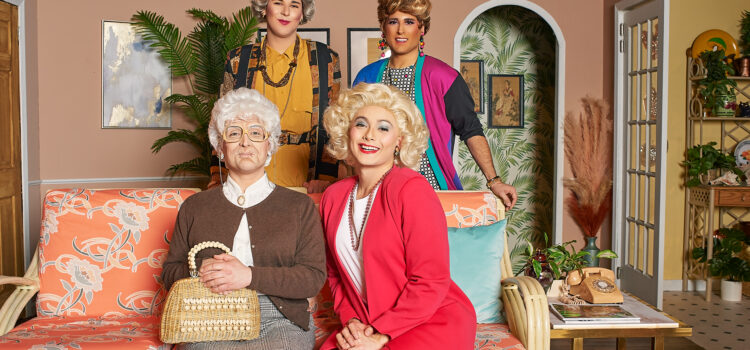
Thank you for being a…fan! Following sold out performances and rave reviews across the country in 2023, The Golden Girls are back and better than ever with a brand new stage show that’s more exciting than a trip to the Rusty Anchor. Golden Girls: The Laughs Continue will head to more than 40 cities in 2024 including a stop at St. Louis’ Stifel Theatre on March 12 for One Night Only.
Tickets are on sale Friday, October 13, starting at $39 and can be purchased at ticketmaser.com. A very special VIP photo experience add-on includes photos with the actors on the Golden Girls set after the show.
Picture it. United States, 2024. Golden Girls: The Laughs Continue brings Miami’s sassiest seniors to stages around the country for one more hurrah. We find Sophia out on bail after being busted by the DEA for running a drug ring for retirees. Blanche and Rose have founded CreakN, a thriving sex app for seniors. And Dorothy is trying to hold it all together with help from a new (much) younger sex-crazed lover. Golden Girls: The Laughs Continueallows audiences to relive the heartfelt hilarity of the four ladies who never stopped being best friends.
Golden Girls: The Laughs Continue is a professional stage show unlike any other Golden Girls tribute that you might have experienced. The play is written by Robert Leleux, author of The Memoirs of a Beautiful Boy and The Living End. His work has also appeared in The New York Times and The New York Times Magazine and his other plays have been produced across the country. The show is directed by Eric Swanson, who was the co-founder and Executive Director of The Detroit Actors’ Theatre Company. The cast includes Ryan Bernier as Dorothy, Vince Kelley as Blanche, Adam Graber as Rose, Christopher Kamm as Sophia, and Jason Bowen as Stanley/Burt. The production is produced by Murray & Peter Present.
For more information and tour dates visit www.goldengirlstour.com. FollowGolden Girls: The Laughs Continue onInstagram, Facebook, Twitter and TikTok: @goldengirlstour and #GoldenGirlsTheLaughsContinue.
Ah, the rose-colored glasses that we view our youth through can differ, depending on what generation, but one thing we have in common: the nostalgia for the music we came of age listening to, whether it was the Boy Bands of the late ‘90s, the MTV New Wave in the ‘80s, the British Invasion of the ‘60s or the short-lived disco-dance craze of the 1970s.
Today’s electronic dance music has roots in those syncopated rhythms that topped the charts some 45 years ago. If you were ever grooving to up-tempo hits at a nightclub, then the stage musical version of the 1977 cultural phenomenon film, “Saturday Night Fever,” is for you.
The jukebox musical, adapted in 1998 for London’s West End, which made it to Broadway the next year, features the legendary hits from the Bee Gees, plus other classic disco tracks – who can forget The Trammps’ “Disco Inferno” — “burn that mother down.” Most of the time the actors sing the chart-toppers.
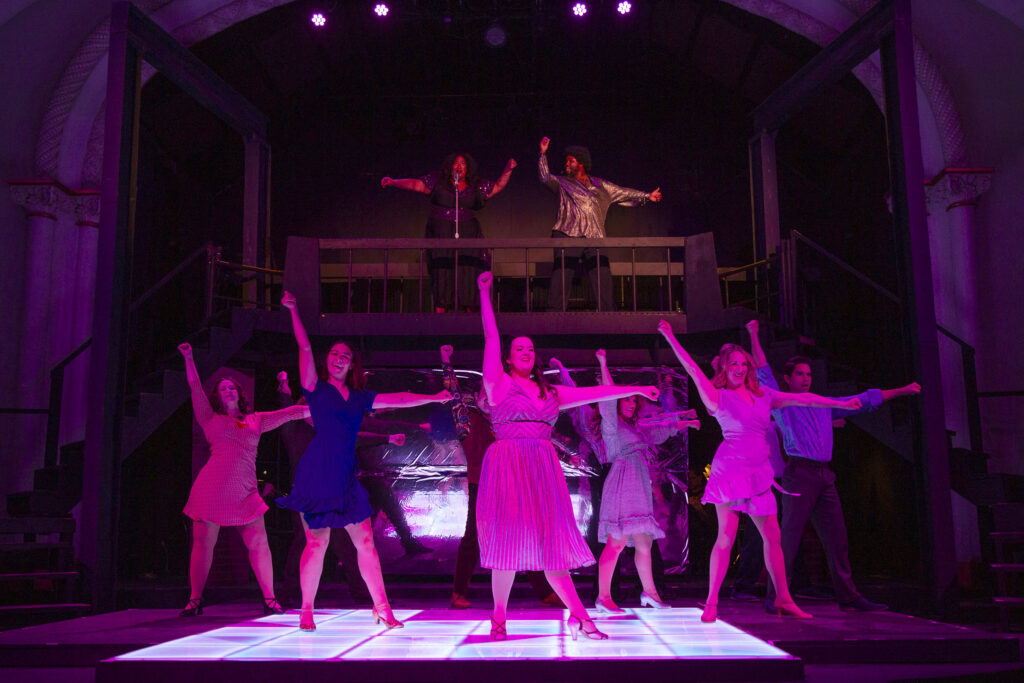
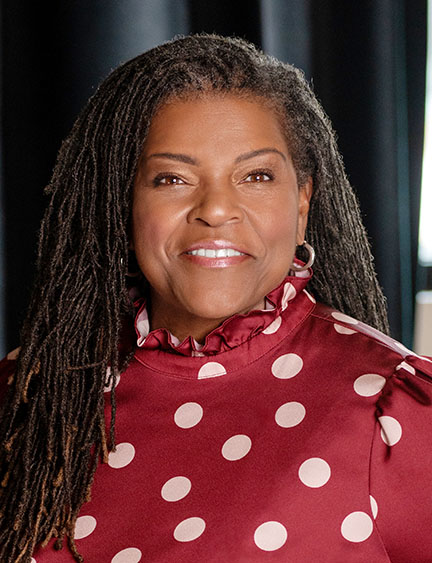
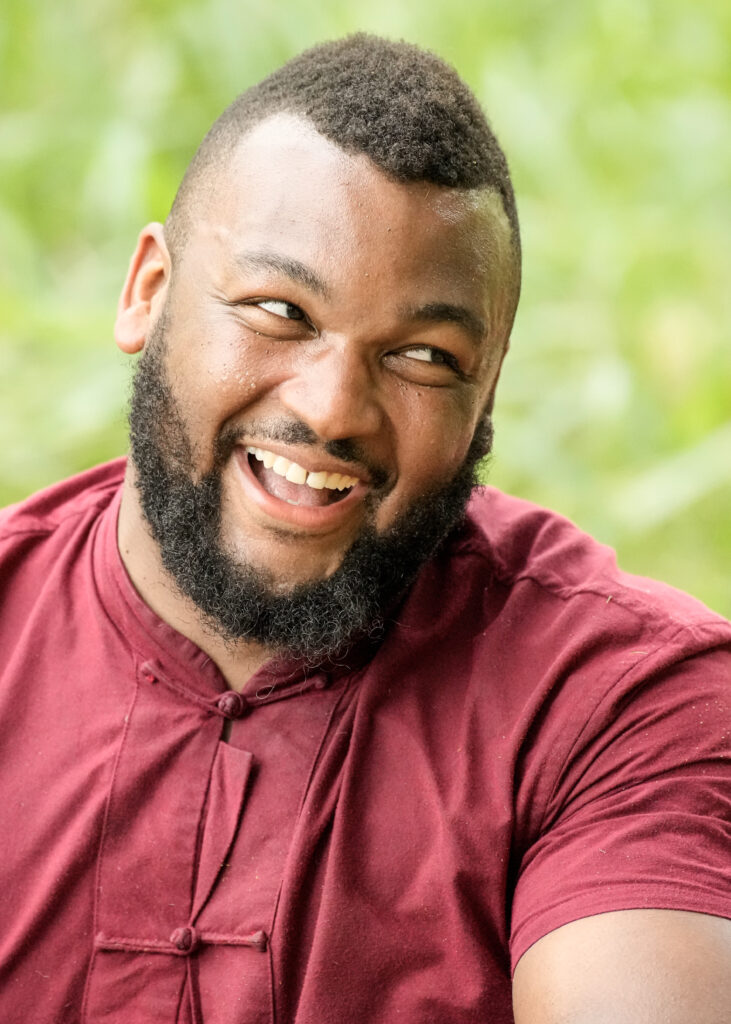
Providing many funky sounds of the day is live-wire Chris Moore as the Afro-coiffed DJ Monty, rocking gold platform shoes and a shiny silver shirt, with Jade Anaiis Hillery belting out a few tunes like she was Chaka Khan. As Candy, she leads on the aforementioned “Disco Inferno,” plus sings “Night Fever” and “Nights on Broadway.” The pair duet on “More Than a Woman.”
Side note: I heard Yvonne Elliman’s “If I Can’t Have You” at the grocery store the other evening! To emphasize how this music has endured – have you been to a wedding reception recently? The soundtrack spawned four No. 1 singles, won the Grammy Award for Album of the Year, still ranks among the best-selling soundtrack albums worldwide, and to date, has sales figures of over 40 million copies.
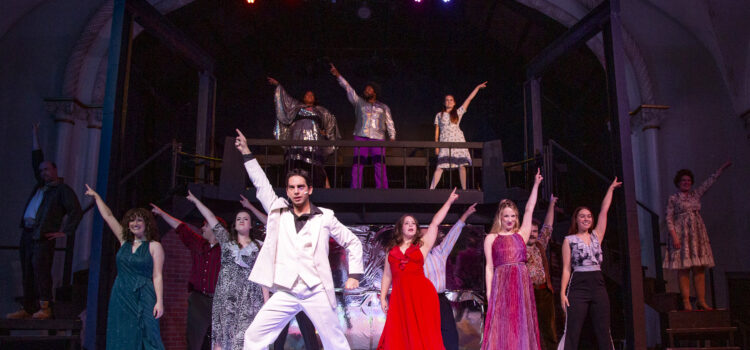
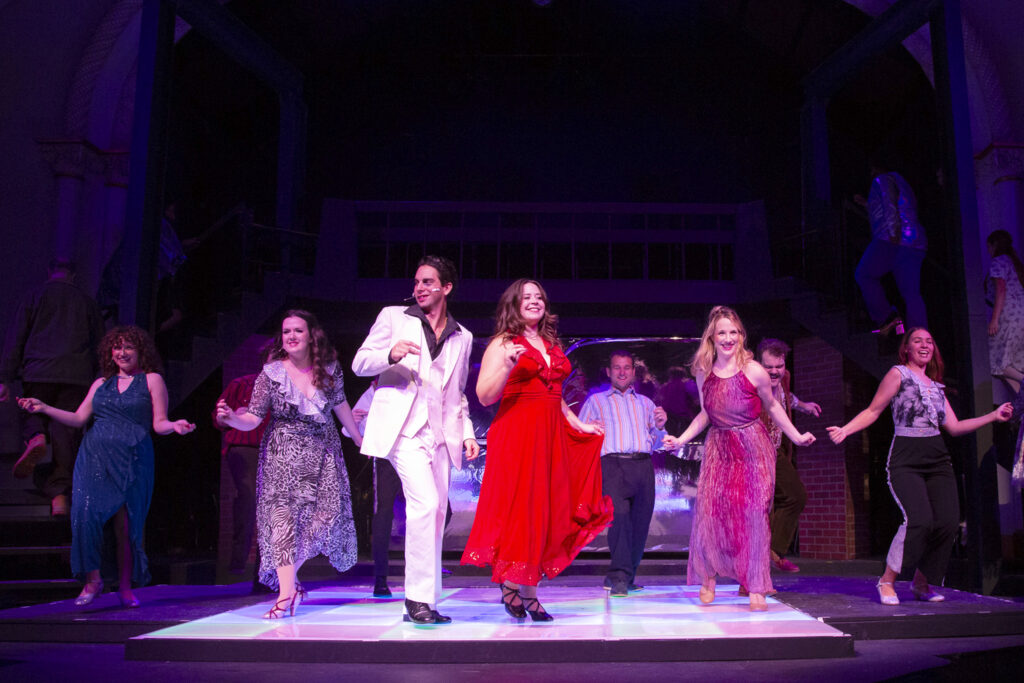
This Stray Dog Theatre production is marked by a larger-than-usual band to bring the sounds alive, inspired choreography by Michael Hodges, and a star-making performance by Drew Mizell as Tony Manero. The man can strut.
Drew Mizell as Tony Manero. Photo by John Lamb.
While the 19-year-old character is forever stamped as the role that earned John Travolta his first of two Oscar nominations and dancing reputation, Mizell has the moves to pull off such an iconic part. His ease on the dance floor is admirable, and his extensive dance training is evident.
Mizell, whose first show at Stray Dog was an impressive performance as both Cinderella’s Prince and Florinda in “Into the Woods,” also nails the Brooklyn accent and the attitude to make the character likable.
Tony, anxious about life after high school and what his future will look like, is not content just to hang out with his goon-like pals, who seem locked in dead ends. He wants more than working at a paint store. At night, at the Odyssey 2001 discotheque, he is king of the dance floor. But at home, yeesh. His mother and father are yellers, and he can’t ever measure up to his older brother, Frank Jr., a priest.
But Frank Jr. has a crisis of faith and returns home. Another standout is Sean Seifert, a natural at portraying the brother as a good man who doesn’t have all the answers. (He also pulls off a dual role as Gus, one of Tony’s inner circle who creates other issues).
When Tony meets Stephanie Mangano, he is taken by her physicality, refinement and her desire to cross that bridge for a better life in Manhattan. With a shot to win $1,000 at a dance contest, Tony and Stephanie team up, their eyes on the prize — and eventually each other.
With sophisticated airs and ambition, Stephanie is more Uptown Girl than the kind Tony hangs out with, including his needy ex Annette, who has fallen hard for him, but it’s unrequited.
Sara Rae Womack brings out the humor in Stephanie’s images of the glamorous world, name-dropping at her entry level job, and has a solo ballad, “What Kind of Fool,” while Lindsey Grojean conveys the desperation of Annette’s lonely and confused young woman in a powerful “If I Can’t Have You,” delivering the show’s best vocals.
Triple-threat Maggie Nold is sympathetic as Pauline, who is caught up in a familiar teen pregnancy scenario. She demonstrates the realities of her situation well – but as the ensemble is handling multiple roles, it’s a tad odd to see her happily dancing and smiling soon after a funeral scene.
Ella Drake as Doreen and Kayla Dressman as Connie get their moment as dancing queens in their spirited competition number,.while Mizell and Womack hit the sweet spot with their “More Than a Woman” big dance number.
Using heavily exaggerated Brooklyn accents, the Manero family, and Tony’s peers, adhere to the stereotypes of that era, staying in those lanes. Oh, those gender caricatures — ‘hoochie mama’s and swinging playboys – were cringy then and certainly now.
Think of it as a period piece – because the best buddies are not that likable, total losers with their off-putting macho bravado, which is why the flimsy broadly-drawn book remains the show’s weakest element. Because their crude talk and bully swagger are mostly foreign in today’s ‘polite’ society, overall, this cast doesn’t seem entirely comfortable playing these roles. Now, dancing is first-rate, clearly polished and well-rehearsed.
The guys playing the deadbeat friends — Justin Bouckaert as the conflicted and struggling Bobby, Jayson Heil as Double-J and Michael Cox as Joey — are caught between a rock and a hard place because they are so immature and misguided, their idea of what manhood is, while not uncommon then, is far from what it should be. But that’s the point – to show how trouble-prone Tony is separating from the pack.
This version has cleaned up some of the more problematic “R-rated” portions of the script, as in gang-rape, violence, and intense sexuality, which is not necessary for this story. The movie’s darker and grittier aspects have been removed, for the most part, just hinted at or briefly alluded to for conflicts.
What director Justin Been does effectively is capture that malaise of the late ‘70s, when economic issues affected blue-collar laborers, and social unrest simmered in “the summer of Sam” (serial killer Son of Sam terrorized the city). The disaffected youth escaped to the discos. (“Feel the city breakin’ and everybody shakin'” — “Stayin’ Alive”).
As the one-note parents Flo and Frank Manero, pros Kay Love and Matt Anderson display their lung power shouting at their family. Nadja Kapetanovich is sincere in the brief role of Linda, the dutiful daughter put in the middle between her cranky parents and defiant brothers.
Sara Rae Womack, Drew Mizell
The home scenes reflect on the misery of marginalized people while the disco and dance studio are where the energy flows. But the story is really secondary to the song-and-dance appeal of the musical.
Scenic Designer Josh Smith crafted a dance floor with colored lights for the stage, with help of lighting designer Tyler Duenow, which may not be visible to all the audience members. He also expanded the Tower Grove Abbey stage with stairs and a bridge doubling for the DJ booth at the club and the Verrazzano-Narrows Bridge, a suspension bridge that connects Brooklyn to Staten Island.
They’ve made room for a large band, led by music director/conductor Leah Schultz on piano, with Marie Brown, Tai Davis, and Beau Lewis on cello for select performances, Mo Carr on trumpet, Steve Frisbee on violin, John Gerdes and Xander Gerdes on bass for select performances, Lea Gerdes and Mary Wiley on reeds for select performances, Adam Levin on trombone, Adam Rugo on guitar and Joe Winters on percussion.
Among their instrumental numbers are the classic Sounds of Philadelphia “A Fifth of Beethoven,” plus “After the Fall,” and “Salsation.”
The costumes collected by Colleen Michelson are a mixed bag – some duplicated the gaudy polyester trends of the ‘70s, while others are ‘kinda, sorta’ representative of the period. The dance floor attire, for working-class kids on weekends, needs to be faux-chic instead of Sunday church dress best. Some of the outfits were more flattering than others, and dresses had nice swirling effects. And the iconic white suit has its moment in the spotlight – always big sentimental crowd reaction.
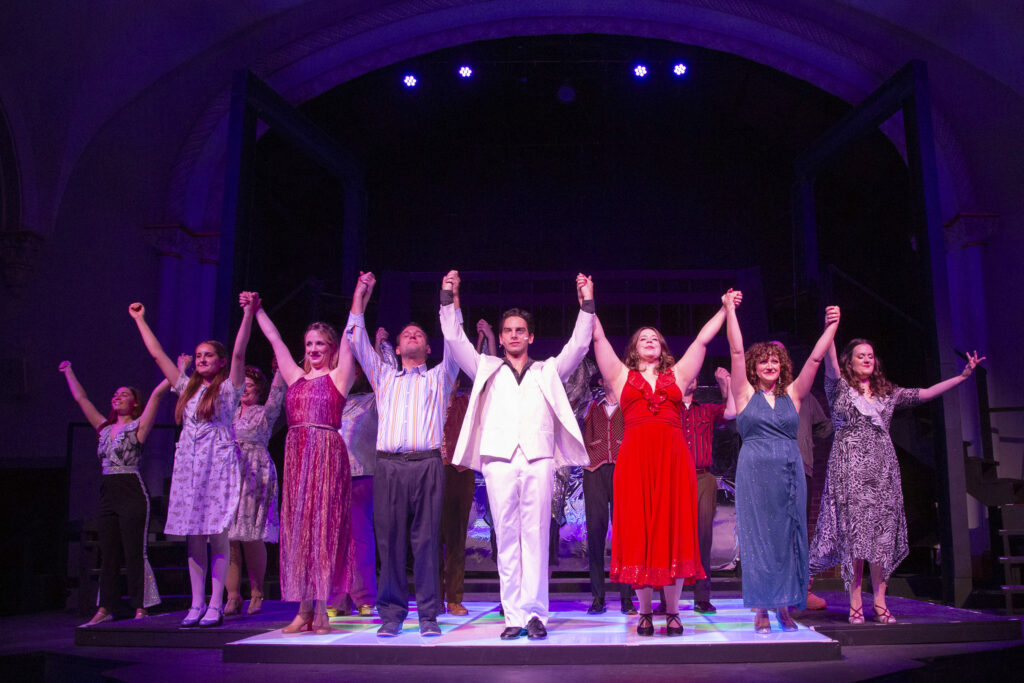
Those infectious, danceable beats will get you on your feet every time. After all, as the Bee Gees told us – “You should be dancing” — and of course you came for the good beats that you could dance to, and don’t forget your boogie shoes. There is a Disco Mix curtain call. Dance 10, Story 3.
Stray Dog Theatre presents the musical “Saturday Night Fever” Oct. 5-Oct. 28, Thursdays through Saturdays at 8 p.m., with additional performances 2 p.m. Sundays, Oct. 15 and 22, at the Tower Grove Abbey, 2336 Tennessee in Tower Grove East. For more information or tickets, visit: www.straydogtheatre.org. Seating is general admission.
After a brief hiatus, we’re back with our round-up of people, places, and events in the St. Louis region, a tad behind in posting our September/summer swan song.
IN COMES COMPANY: Stephen Sondheim’s groundbreaking musical “Company” – the female-led revival that won the Tony in 2022, kicks off its 25-city national tour on Oct. 8 in Schenectady, N.Y., with the St. Louis stop Feb. 27-March 10 at the Fox Theatre.
Belleville native Ann Beyersdorfer, associate set designer for the Broadway revival, worked with production designer Bunny Christie, who won her fourth Olivier Award for the London production design. And she’s on the team that has been preparing the hilarious and sophisticated show for the road.
(Three-time Tony Award winner Jack Lane, co-founder and executive producer emeritus of Stages St. Louis, was one of the Broadway show’s co-producers.)
Ann was back in town this summer, as scenic designer for “Disney’s Beauty and the Beast” and “West Side Story” at The Muny, and I was fortunate to interview her then for the Belleville News-Democrat.
For a deeper dive into the mechanics of getting a Broadway show transferred to the road, read about her journey here on PopLifeSTL.com:
A winner of best set design of a play for “Afterglow” at the Los Angeles Drama Critics Circle Awards, she’ll be part of the team taking the production to London Oct. 17–Nov. 24, with an official opening Oct. 22.
And as an art director on the visual shorts for “Saturday Night Live,” hopefully you will be able to see more of her work when the show resumes on Oct. 14. You may have seen the elaborate “HBO Mario Kart Trailer” she worked on when Emmy-nominated Pedro Pascal hosted.
Cheers to Ann and the tour launch! (We’ll drink to that!). For more information, visit: https://companymusical.com/
Nichelle Lewis, Wayne Brady
BRAND NEW DAY: “The Wiz,” the 1974 super-soul musical adaptation of L. Frank Baum’s beloved children’s novel “The Wizard of Oz,” which was given a reworking for The Muny’s 2018 season, is Broadway-bound in 2024, with St. Louis-connected producers, but this new revival is touring first. Opening night was Sept. 23 at the Hippodrome Theatre in Baltimore, and the reviews were raves.
“The audience and the whole evening was full of joy and energy, extended applause, and standing ovations,” stated the Maryland Theatre Guide on Sept. 29. “Powerhouse performances and stunning choreography,” enthused the Baltimore Sun.
The first-ever revival will be easing down the road to 12 other cities, including Chicago (Nov. 28 – Dec. 10). For more information, visit: https://wizmusical.com/
The producing team of Kristin Caskey and Mike Isaacson (Muny artistic director and executive producer) and a long list of others, including Terry Schnuck, is behind this show. Caskey, now of the Ambassador Theatre Group, spent 20 years with Fox Theatricals. She and Isaacson produced the Tony-winning “Fun Home” in 2015 and this year’s Best Revival winner “Parade.”
Isaacson said they have been working on a revival for eight years, and plans are to mount another national tour after the Broadway limited engagement. In preparation for The Muny, he received permission from the original creators to make some changes. Amber Ruffin, recent Tony nominee for “Some Like It Hot,” wrote additional material – and had worked on the Muny script – from William F. Brown’s original book. You may know her as a writer on “Late Night with Seth Meyers,” as she frequently appears.
Isaacson revealed that in a terrific Broadway World interview with James Lindhorst, who also talked with producers Jack Lane, Mike Bosner and Terry Schnuck – heavy-hitters at this year’s Tonys (“& Juliet,” “Shucked” and “Parade”).
Schele Williams is helming this show, with Wayne Brady as The Wiz from Jan. 16 to Broadway engagement, and Alan Mingo Jr. in the title role Sept. 23 – Jan. 14, 2024, and newcomer Nichelle Lewis as Dorothy.
The original 1974 production, directed by Geoffrey Holder and choreographed by George Faison, won seven Tony Awards including Best Musical, and was adapted into a movie in 1978 starring Diana Ross, Richard Pryor, and Michael Jackson. NBC broadcast a live version in 2015, but a planned revival then did not materialize.
Colin, Jeanine
BRUSH WITH GREATNESS: Speaking of the musical “Fun Home,” composer Jeanine Tesori — the most honored and most prolific female theatrical composer in history, was in St. Louis this summer, and stopped in to visit with the local cast rehearing “Caroline, or Change,” produced by Fly North Theatricals.
To get the opportunity to talk with Tesori, who has written five Broadway musicals and received six Tony Award nominations, winning for “Fun Home” and the recent “Kimberly Akimbo,” was one of the best moments ever, according to music director Colin Healy.
Healy summed it up this way on Facebook: “She and Mike Isaacson (producer) offered such wonderful insight into the process of writing, building, and producing ‘Caroline, Or Change,’ validating what is already apparent when hearing the score: how much a labor of love and Herculean creative endeavor ‘Caroline’ was and continues to be… She spoke to us for over an hour and took questions from everyone.”
(Photo: Colin Healy and Jeanine Tesori)
NEW HORIZONS: All good wishes for theater and media folks moving on, changing directions and making the most of opportunities.
Bravo to Taylor Gruenloh, whose new musical “Cascade’s Fire,” a modern Antigone story co-written by Kyle Wernkel, will premiere Oct. 12 and run 13-15 and 19-21 in the Black Box Theatre at Missouri Science and Technology in Rolla, where he is on the Arts, Languages and Philosophy faculty. Taylor wrote the book and lyrics while Wernkel wrote the music.
Taylor recently stepped down as Creative Director at The Tesseract Theatre Company at the end of August, after their successful run of “Kinky Boots.” One of the most prolific and creative folks in town, I can’t wait to see what else he will accomplish.
Congratulations to Joe Gfaller, who has been managing director of Metro Theater Company since 2019, on becoming managing director of Clear Space Theatre Company, a 20-year-old regional theater in Rehoboth Beach, Delaware. He’ll be leaving in mid-October. Jessie Youngblood, the current development director, will serve as interim managing director beginning Oct. 9. Always enjoyed working with Joe, starting with the Opera Theater of St. Louis in 2014. Joe has served Metro, St. Louis’s premiere professional theater for youth and families, well.
Best wishes to Julia Flood, Metro artistic director for the past 10 years, who has announced her retirement after the 51st season. Of Joe’s departure, she said: “Joe has had boundless energy and enthusiasm for the mission and work of Metro Theater Company. I feel lucky to have had the benefit of his partnership through the complexities of the pandemic times and wish him much success and happiness in his new venture.” (They both can be very proud of their endeavors). A free Fall Family Festival to celebrate MTC’s 50 years of service to the community will be held on Oct. 21 and 22. A toast in Gfaller’s honor will be held at that event on Sunday, Oct. 22 at 1 p.m.
Carol Daniel
Carol Daniel may have retired from one prominent longtime gig, but she is embarking on a fantastic journey. The award-winning St. Louis journalist, reporter, host, columnist, and author has joined Nine PBS as a Senior Producer and Host.
Daniel said she looks forward to telling the stories of her community in a new way — with a podcast about people making an impact here, and also produce interviews and stories that celebrate and showcase underrepresented voices for Nine PBS’s content flagship, Living St. Louis. Yes to this! I look forward to seeing her next chapter.
Daniel has more than 40 years of experience as a host on KMOX Radio, as well as work on Great Day St. Louis on KMOV/Channel 4, and a columnist for the St. Louis American. She’s been honored as a Living Legend by the National Association of Black Journalists–St. Louis, was recently inducted into the Lincoln University Alumni Hall of Fame, and was a 2022 inductee into the St. Louis Media Hall of Fame.
Longtime public relations and marketing maestros Eric Pugh and Dylan Stanley have departed our fair river city for beachier pastures. Last at the Muny, Eric is now promoting The Asolo Repertory Theatre in Sarasota, Fla., the largest Equity theatre in Florida, and the largest Repertory theatre in Southeastern U.S. Just wonderful to work with both, and I’m glad we had time together.
Dylan, who has moved to Los Angeles with his fiancé, Nicolas Valdez, who is embarking on a fellowship at USC, will keep us posted on his next challenge after giving us his all at Stifel Theatre and Enterprise Center (and performing in Tesseract Theatre Company’s triumphant “Kinky Boots.”
Best wishes to Lee Anne Mathews in her new role as Education and Artistic Director for the Fox Performing Arts Charitable Foundation! Before May, she was making things happen at Westport Playhouse.
Congratulations to Brian McKinley on his new role as Director of Education and Community Program at the Black Repertory Theatre of St. Louis.
HOMETOWNERS: Comedian-actor Cedric the Entertainer’s new book, crime caper “Flipping Boxcars,” fictionalizes his grandfather, Floyd “Babe” Boyce.
Jon Hamm is in two, not one, television series this fall. He joined the cast of “The Morning Show” for season 3, now streaming on Apple TV+, and will be in “Fargo,” season 5, which starts Nov. 21 on FX and Hulu.
Nicholas “Sifu” Alsup. Photo: Robert Voets/CBS
Best wishes to Nicholas “Sifu” Alsup of O’Fallon, Ill., who was chosen as one of 18 contestants on the 45th season of CBS’ “Survivor” that started Sept. 27.He is a larger-than-life personality, and I was able to interview him through permission with CBS. https://news.yahoo.com/o-fallon-gym-owner-one-120000863.html
CHEERS: Congratulations to New Jewish Theatre on their 25th anniversary as a regional professional theatre in St. Louis; and Gateway Center for Performing Arts school, and youth theater company, on their 10th anniversary in Webster Groves. A feature article by me will be in the Webster-Kirkwood Times soon.
OUT AND ABOUT: Two Colins in the ‘Lou news! Co-owners Colin Healy and Bradley Rohlf of Fly North Theatricals, have opened their new home and social hangout, The Greenfinch Theater and Dive, at 2525 South Jefferson Avenue (the old Way Out Club).. The bar is open every night from 5 p.m. to 1 a.m. You won’t want to miss Stool Pigeon Open Mic Comedy Night on Mondays and Drunk Voice Lessons karaoke with live piano accompaniment (and critiques) by Colin Healy on Wednesdays, plus Burlesque Bingo’s in the rotation too. They are also accepting reservations for their black box theater.
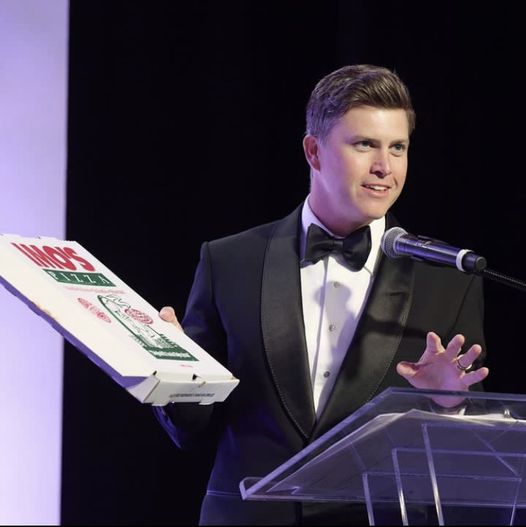
Colin Jost
SNL Head Writer Colin Jost was the Celebrity Guest Host at the Foundation for Barnes-Jewish Hospital’s Illumination Gala on June 3 at The Ritz-Carlton, a major fundraising event for the Siteman Cancer Center. Not sure what he said about “The Square Beyond Compare” but Imo’s posted his photo. Since 2007, the event has raised more than $42 million to support research funds
MEMORY LANE: Last month in pop culture history.
Sept. 26, 1975: “The Rocky Horror Picture Show” opened in Westwood, Calif., and tanked at the box office, but later would become the definition of a cult classic, inspiring interactive screenings with toast, toilet paper and more.
If you attended midnight screenings in the late ‘70s at the Varsity Theatre in St. Louis (where Vintage Vinyl is now), you might have run in to a teenage Michael Stipe, future alt-rock band REM frontman, who is dressed as Frank-n-Furter here in this vintage newsclip on KSDK’s “Newsbeat.” He told the reporter: “We’re all normal, really.”
Why on earth was Stipe, now 63, in St. Louis then? His dad was in the Army, and they moved to several states during his childhood. In the late ‘70s, he lived in Collinsville, Ill., and attended high school there and went on to Southern Illinois University in Edwardsville.. Later, he would move to Athens, Ga., for college, and met record store clerk Peter Buck, which led to forming a band with Mike Mills and Bill Berry…and the rest is history..
Rocky Horror played midnights at the Varsity Theatre from April 1976 until Jan. 3, 1988 when it closed for good. It was one of the first 30 theatres in the U.S. to do so.
I was fortunate to interview Barry Bostwick (Brad in the movie) when he had been scheduled to appear at Wizard World in St. Louis, but had to cancel, and he graciously talked about making the movie by phone. True delight to talk with and write about — here’s my BND feature from 2017.
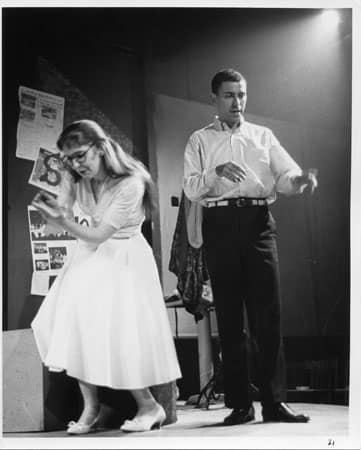
IN MEMORIAM: Frequent visitor to Gaslight Square with the infamous Compass players, RIP Alan Arkin (March 26, 1934 – June 29, 2023). Archival photo is at Crystal Palace with Anne Meara.
From William Roth, the founder and artistic director of St. Louis Actors’ Studio, who renovated The Gaslight Theatre in the Central West End, on Arkin:
“He made his off-Broadway debut in the late 1950s and joined the St Louis improvisational group the Compass Players in 1959. This led to a stint with the Chicago improv troupe Second City and his Broadway debut, in 1961, in the company’s show ‘From the Second City, which he co-wrote.’
Tony-winning actor Michael McGrath, whose last show was at the Muny this summer – he did a fine job as Mr. Mushnik in “Little Shop of Horrors,” passed away in his sleep Sept. 14 at his home in Bloomfield, N.J. He was 65. That wasn’t his first show in St. Louis – in 1990, he played John Adams in Theater Factory’s “1776.” He was first nominated for a Tony in “Spamalot,” and won for “Nice Work If You Can Get It,” playing a bootlegger, in 2012. https://www.nytimes.com/2023/09/15/theater/michael-mcgrath-dead.html
Maggie Ryan, founder of Insight Theatre and inspiration to many, who spent 36 years as an English teacher and director of theater at Nerinx Hall, died Sept. 10, at age 80, after a short battle with leukemia. She was a lovely woman to interact with and cared passionately about theater. Insight operated for 12 years, won several St. Louis Theater Circle Awards including a legendary “Death of a Salesman” directed by Wayne Loui and starring father-son duo John and Jason Contini. Unfortunately, Insight closed in 2020. https://www.legacy.com/us/obituaries/stltoday/name/margaret-ryan-obituary?id=53065958
Calvin Wilson, St. Louis Post-Dispatch movie and theater critic, died Aug. 29, from an undisclosed illness. He was 70. I worked with Calvin, both in the St. Louis Film Critics Association, and with the St. Louis Theater Circle, and much admired his writing skill. His insight and passion for the arts will be missed.
CALENDAR NOTES: John Cusack’s screening of “Say Anything,” originally scheduled for October 28 at Stifel Theatre, has been rescheduled for Saturday, March 30. All tickets for the Oct. 28 performance will be honored at the rescheduled date. The popular actor will follow the screening with a conversation regarding his career and the making of the film. Fans will get the opportunity to experience a moderated discussion, with John answering audience questions as well.
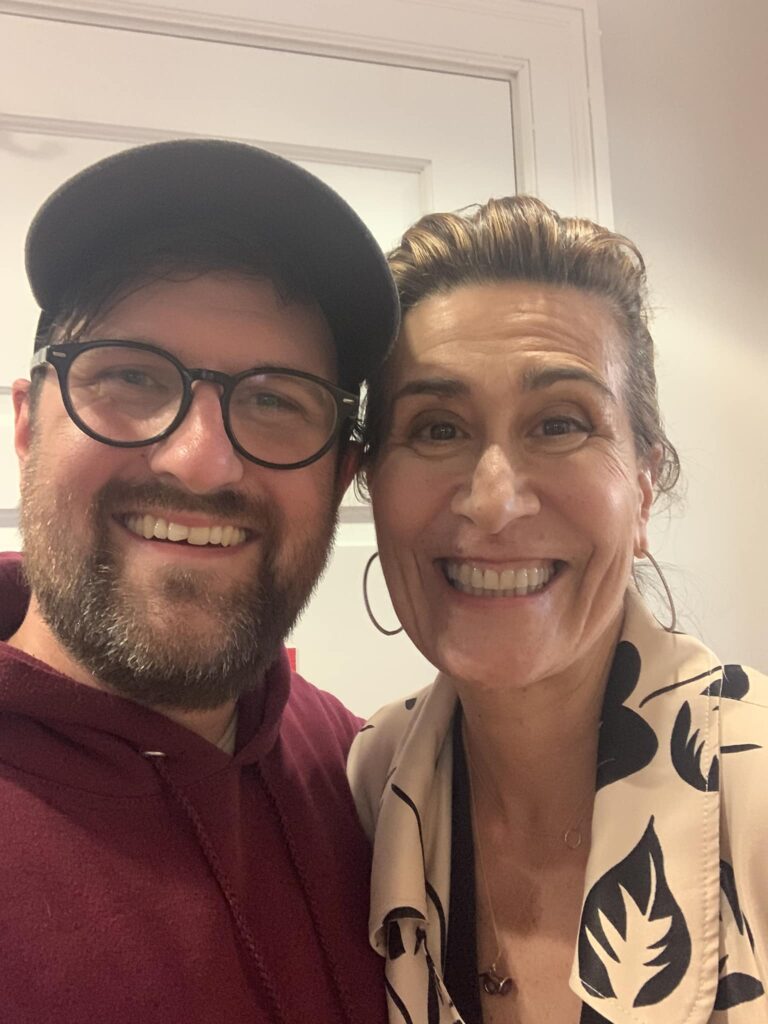
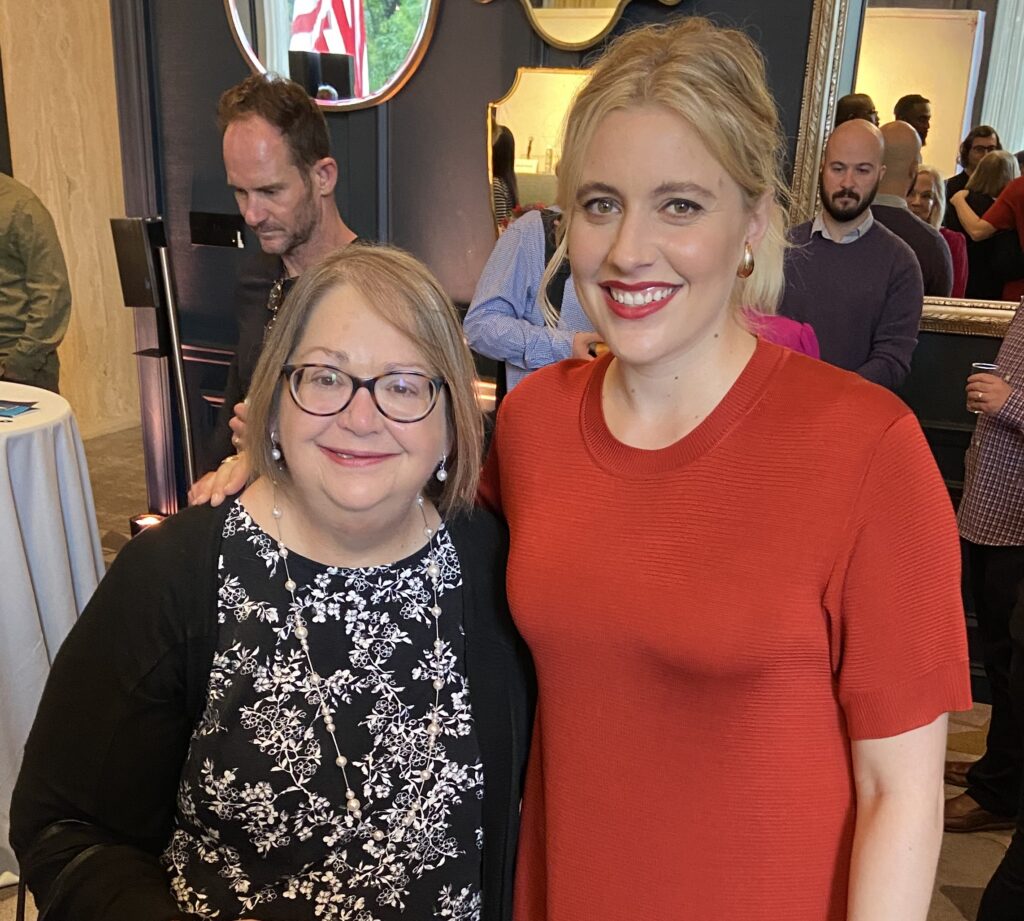
Me and Greta, Oct 1, 2022
SHAMELESSNAME-DROPPING: Before she had the biggest movie of the summer (“Barbie”!) and her second son in February, Greta Gerwig was pleasantly accommodating us press troops at the New York Film Festival 2022 (for “White Noise”). The accomplished actress-writer-director is exactly as she seems, a lovely person in person. I had to compliment her on the 2019 “Little Women,” and she said she had a great time working with the cast of that movie. Hopefully, we will be seeing her during the upcoming awards season. On Aug. 6, the film crossed the $1 billion mark worldwide, making her the first woman with sole director credit to have a movie make more than $1 billion.
(My film review: https://poplifestl.com/unexpected-unpredictable-barbie-is-an-irresistible-pop-o-culture/)
Our coda has been added for this issue:
RANDOM THOUGHTS: As you can probably tell, I enjoy waltzing down memory lane, and yes, I was one of the early attendees of “The Rocky Horror Picture Show” midnight showings at the Varsity Theatre in 1977, which was so much fun. If you are a lover of cosplay, I have spied folks in Barbie and Ken outfits at “Barbie” — my prediction for hottest Halloween costumes — and I hear from Abe Goldfarb, hilarious as Otho in the touring company of “Beetlejuice,” who was on the weekly PopLifeSTL.com podcast co-hosted by Carl “The Intern” Middleman and myself on Oct. 4, that there’s many folks dressing up at the shows. He’s excited that they’re here Oct. 13.
The St. Louis Blues open at home Oct. 12. Just once I’d like to buy a team T-shirt where the player I selected isn’t traded. (I bought an Alexander Pietrangelo one — with a C — before the playoffs in ’19 and a Ryan O’Reilly in 2022.)
Are we having the Daylight Savings Time ‘fall back’ happen this year or is it over? Anyone? I’m so confused.
Where in the world is Lynn this weekend? Judging the costume contest at the sensational annual Witches and Wizards Festival in O’Fallon, Ill., a really fun event
Sexual politics and corporate backstabbing are a toxic mix in “Fair Play,” an inevitable downward spiral of a film about how maintaining a relationship is challenging when things get complicated at work and home.
A recently engaged couple, who must keep their relationship secret at their cutthroat financial firm because it’s against company policy, are pushed to the brink after an unexpected promotion throws them into a personal and professional quagmire.
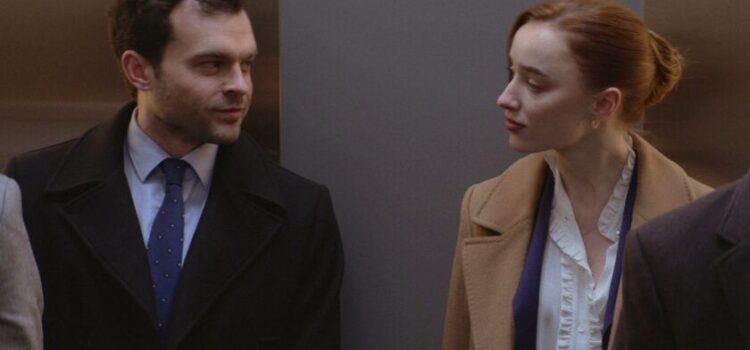
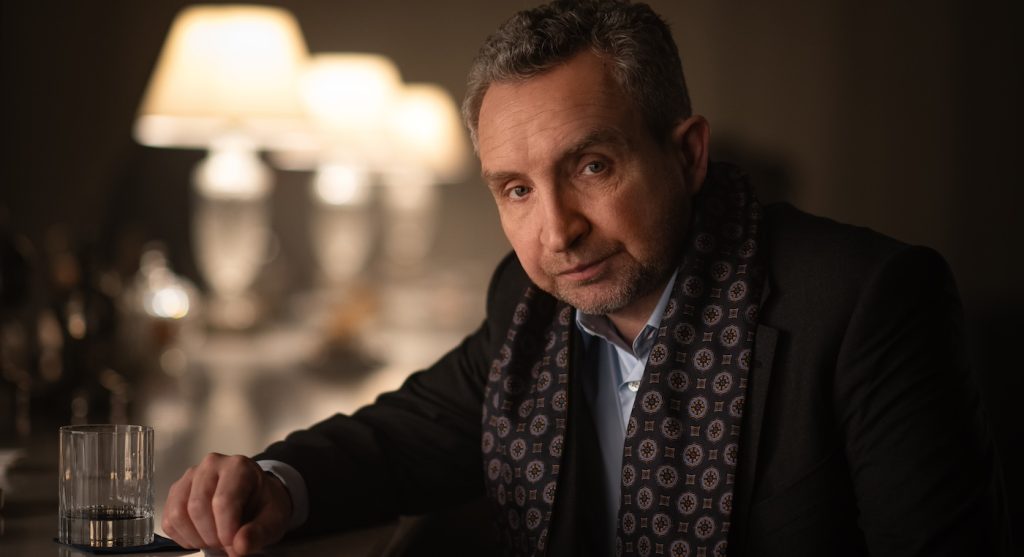
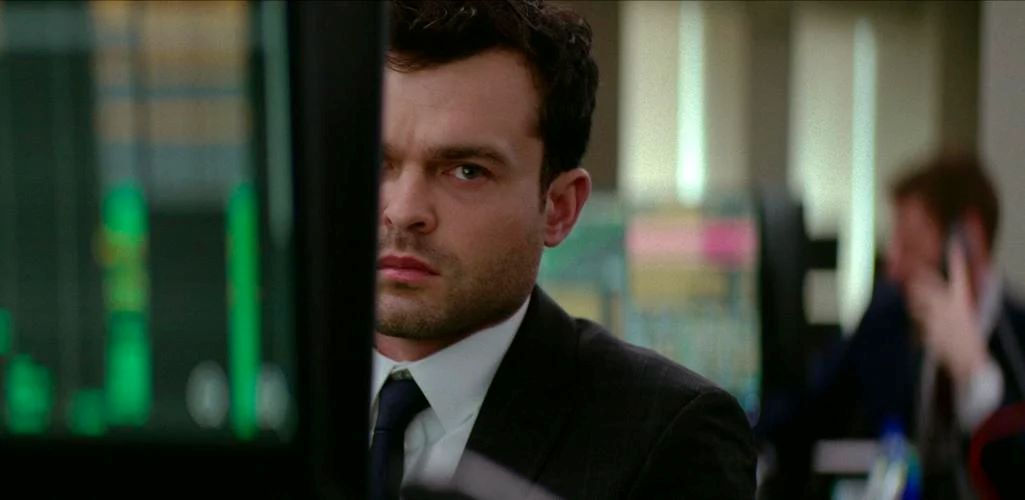
Emily (Phoebe Dynevor), Long Island girl with a Harvard degree, and Yale educated Luke (Alden Ehrenreich), a veteran of Goldman Sachs, are madly in love and about to share their romance with Human Resources when there is a coveted management position open. She overhears it may be him, but the reptilian boss (Eddie Marsan) wants her.
In her feature film debut, writer-director Chloe Domont confronts the elephant in the room, that no one seems to talk about — why a man’s promotion is considered a success, but a woman’s is a threat in a relationship?
You may think you know where “Fair Play” is headed, with the gender gameplay building in intensity, so that you feel it’s not just a matter of “if” but “when” for a meltdown to occur.
Domont tackles this fast-changing post-#MeToo world, where we have progressive couples who support feminist ideals yet were raised with a traditional view of masculinity, so a woman’s success could make a man feel less worthy, and although they try to suppress it, very real human emotions eventually emerge, sometimes in messy and ugly ways.
In a high-stakes environment, the egos on display are heightened here, setting up shifting dynamics, and sinister overtones. That explosive tension forces this off the rails in the third act, going from uncomfortable to painful as it strains credibility.
Set in New York City, the two main locations become increasingly claustrophobic – both in the sleek high-rise office and the tiny apartment they share (and that’s intentional, a key element to making the atmosphere off-kilter). Cinematographer Menno Mans and editor Franklin Peterson escalate the tension through intimate close-ups and awkward confrontations.
Domont, a veteran of directing “Ballers,” “Billions” and an episode of “Suits,” wanted to make a modern horror story, and the psychological aspect is intriguing, yet does it go too far? As agonizing as the climax is, the finale is both harrowing and strange.
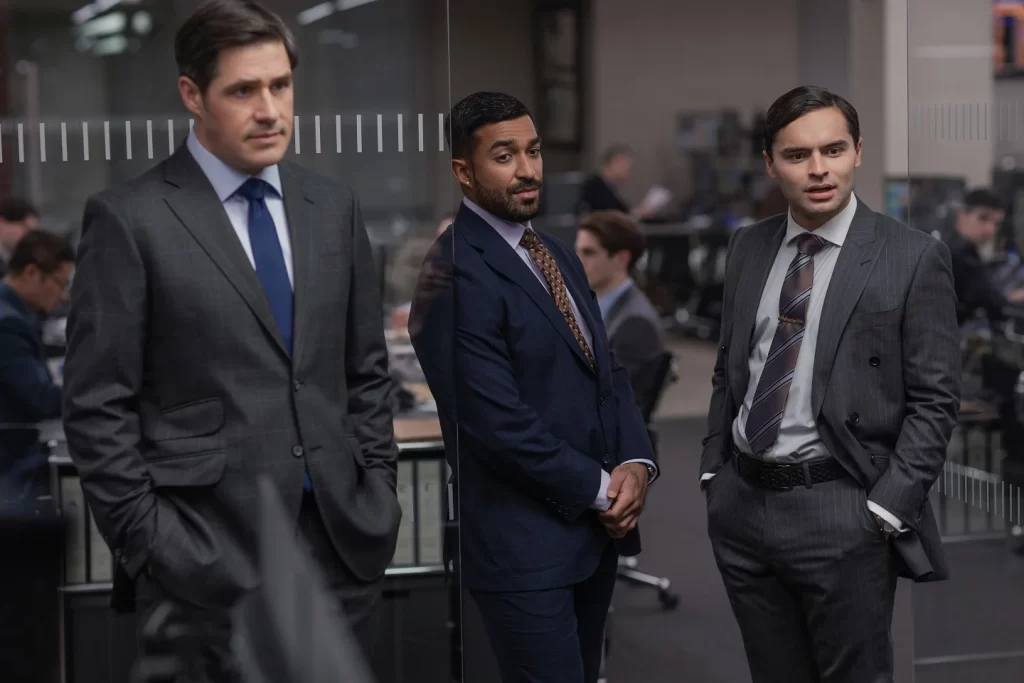
Rich Sommer, Sia Alipour, Sebastian De Souza
In her script, Domont has fashioned a realistic world of finance, nimble with the daily aspects of hedge-fund business, and production designer Steven Summersgill effectively conveys the high-rise office.
The acting is first-rate, and Dynevor, who broke out as Daphne on Season 1 of “Bridgerton,” and Ehrenreich, who played young Han Solo in Ron Howard’s ‘Star Wars’ story prequel, trusted each other enough to go to dark places. Marsan, a veteran character actor, is chilling here in the cavalier way he treats people and how power and greed have blackened his soul. Would you take what horrible insult he hurls at Emily? (Seriously, I’d like to know.)
The ‘one of the boys’ atmosphere is further emphasized through supporting players Sebastian De Souza as Rory, Jamie Wilkes as Quinn, Sia Alipour as Arjun, Rich Sommer (“Mad Men”) as Paul, and Brandon Basir as Dax – all portraying different levels.
Whatever you think about the conclusion, this film is meant to be provocative, a conversation starter that will result in more than a few heart-to-hearts. While the ending is subject to interpretation, images will haunt and questions will linger.
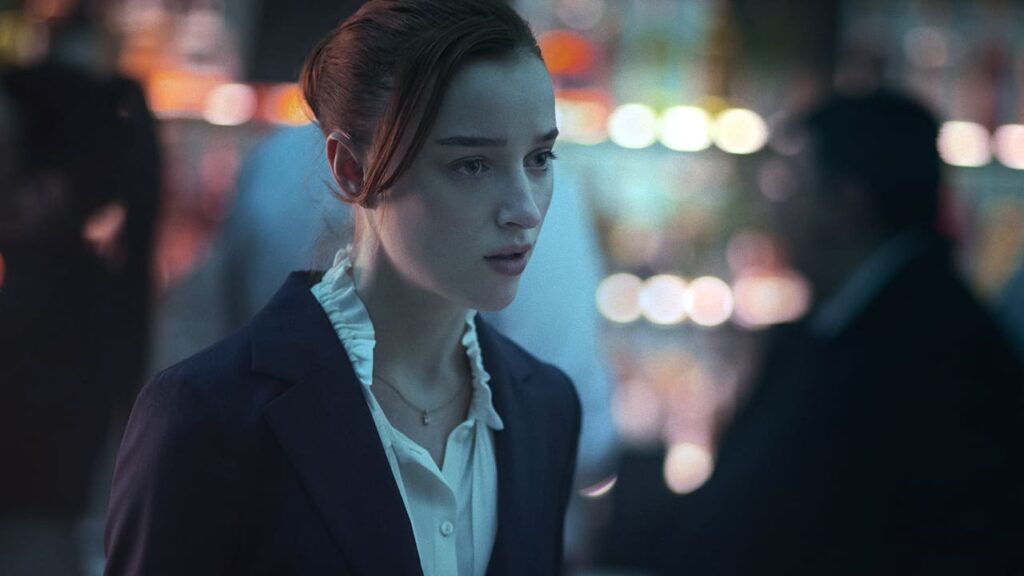
Phoebe Dynevor as Emily
“Fair Play” is a 2023 drama-thriller written and directed by Chloe Domont starring Phoebe Dynevor, Alden Ehrenreich, and Eddie Marsan. It is rated R for pervasive language, sexual content, some nudity, and sexual violence, and the run time is 1 hour, 53 minutes. It opened in select theaters Sept. 29 and began streaming on Netflix Oct. 6. Lynn’s Grade: C.
Powered by enthralling performances from Phoebe Dynevor and Alden Ehrenreich, director Chloe Domont’s “Fair Play” is an effective, if exhausting, thriller exploring gender politics and self-destructive ambition in a corporate world devoid of empathy.
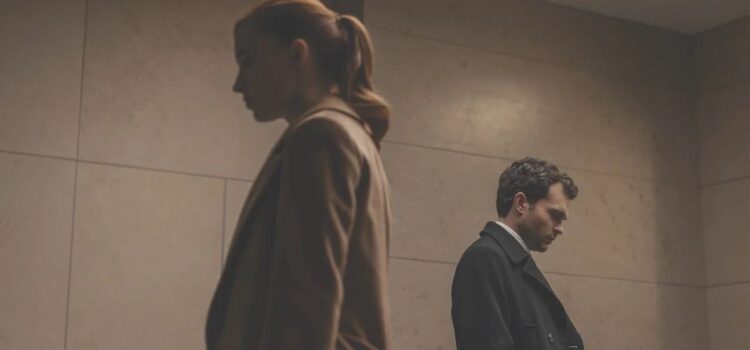
The film follows Emily (Dynevor) and Luke (Ehrenreich), who we first meet on the dance floor of a New York City wedding reception. They sneak away to the bathroom to have sex, and in the middle of it, Luke’s engagement ring falls out of his pocket. Turns out, he was planning on proposing to Emily. She enthusiastically says yes. Luke and Emily are happy, and everything seems nice and dandy — so long as, we soon learn, their shared workplace doesn’t learn about their romance, and Emily’s chatterbox mother doesn’t spill the beans to anyone else.
Emily and Luke are both stock analysts at the same company, One Crest Capital, where inter-office romance goes against company policy, and sanity goes to die. Analysts work long hours in hopes of ascending the ranks of power, hungering at any opportunity for a promotion by the hand of coldly intimidating Campbell (Eddie Marsan).
Suited-up workers (mostly men) live and breathe financial jargon; each decision to buy or sell is based on insider information they’ve plugged into with obsessive attention to detail, with plenty of toxicity to spare in their predatory glances and fake-nice banter. They’re opportunistic, skilled at their jobs, and always on the lookout for blood in the water like well-dressed sharks.
After OCC’s “PM” (portfolio manager) is unceremoniously fired — the frustrated sap smashes up his office with a golf club — rumors spread that Campbell is eyeing Luke to take over the role. Luke is thrilled, as is Emily; this is Luke’s big break, an acknowledgement of his hard work and dominance over his peers. Things don’t play out like Luke anticipates, though. Emily gets a late-night call inviting her for drinks with Campbell, who informs her that she’s going to be the new PM.
Let’s just say, Luke is none too thrilled, despite his performative attempts at congratulating Emily. And thus begins the couple’s downward spiral, as deep-seated insecurities and OCC’s cancerous work culture seeps into their very beings — tearing them apart from the inside out. And we get to see it all for our entertainment.
Indeed, “Fair Play” is a striking, viscerally uncomfortable viewing experience unfolding like a train wreck we’re powerless to stop. With crackling dialogue, committed performances, and nerve-shredding editing, the film is an impressive feature debut from Domont, albeit one whose pedal-to-the-metal approach becomes numbing after a certain point. It’s a feel-bad, socially-aware thriller spiked with cynicism and fatalism.
Alden Ehrenreich as Luke
Gluing all this together are two attention-grabbing performances from Dynevor and Ehrenreich making the whole ordeal even more (intentionally) painful to witness. They’re both beautiful people, given plenty of time to enjoy each other’s bodies and exchange playful banter, but the shadow Emily’s promotion casts over their connection is keenly felt from the moment it’s revealed. Emily and Luke’s subsequent conversations take on a different tone entirely, from passive-aggressive to viciously confrontational.
Dynevor adeptly sells Emily’s hard-working mindset and gradual realization of her crumbling relationship — her efforts to cling to what’s left of her bond with Luke (mostly sex) are stifled by Luke’s unwillingness to reciprocate: it’s the one thing he has power over that he can spitefully refuse her. As Emily weaves between her personas to fit in with the “boy’s club,” her ability to maintain composure slips further and further, erupting in righteous fury in the harrowing third act, as her desperate attempts to hold onto the impossible backfire.
Through subtle (and not so subtle) body language and dialogue, Dynevor imbues Emily with humanity lacking from the majority of male characters. “Fair Play” doesn’t necessarily endorse Emily’s drastic decisions later on, but she’s depicted as the far more three-dimensional, sympathetic character than Luke ever is. This isn’t necessarily an issue, but Domont’s attempts to be provocative fall somewhat short when Emily’s side of the conflict is so easy to latch onto compared to Luke’s, whose ingrained issues are apparent early on and irreversible.
Luke, by contrast, is a deeply insecure, jealous man schooled on problematic forms of masculinity where any threat to his ego and status hits like a sledgehammer: a sleight against his work-obsessed being that he’s worked hard to cultivate. Ehrenreich is excellent, as always, perpetually looking like a sad puppy behind Emily’s back — rendering Luke’s steep de-evolution into rageful hate all the more believable and chilling, albeit telegraphed early on. The further Emily climbs, the further Luke sinks into bitterness: both sides are unable to extricate their personal lives from their work lives, resulting in alarming sequences brought vividly to life by the actors, who deliver Domont’s acerbic screenplay with fanged precision.
Stylistically, “Fair Play” operates at a high level, too, enhancing the ferocity of the performances. Menno Mans’ cinematography is oppressively constrained, closing in on Emily and Luke as violent tension escalates. While not filmed in New York City, Mans’ camera, combined with jarring sound design (heightening sounds of a screeching metro or speeding cars to cold, uncaring, machinelike effect) beautifully conveys the treacherous world Luke and Emily have brought themselves into. Ominous skyscrapers loom overhead observing their every move. It’s almost like we’re watching a horror film.
By the third act, when things really go off the rails, “Fair Play” can be tough to stomach, and hopelessly pessimistic in its depiction of two characters losing their grasp on reality. But that’s exactly how we’re supposed to feel: stressed and panicked, with no room to breathe until the credits roll and we’re finally removed from this unpleasant conflict. The hysterics can be tiring, yet “Fair Play” is still compulsively watchable from start to finish, with ever-relevant themes that linger.
“Fair Play” is a 2023 drama-thriller written and directed by Chloe Domont starring Phoebe Dynevor, Alden Ehrenreich, and Eddie Marsan It is rated R for pervasive language, sexual content, some nudity, and sexual violence, and the run time is 1 hour, 53 minutes.
It opened in select theaters Sept. 29 and began streaming on Netflix Oct. 6. Alex’s Grade: B+.
Visually sumptuous but thematically reductive, director Gareth Edwards’ science-fiction drama, “The Creator,” can’t match its awe-inspiring imagery with a well thought-out story.
Edwards’ film opens with a retro-style newsreel setting the scene. The year is 2055, and advanced AI robots (some with “Chappie”-like appearances and others, called “Simulants,” who resemble humans with hollow cylinders in their heads carrying the donated consciousnesses of deceased people) assist humans in their day-to-day-lives. Disaster strikes one day, however, and a nuclear bomb goes off in Los Angeles, with AI allegedly to blame.
The American government and its Western allies ban the technology, while the Republic of New Asia, a mishmash of various Asian countries, embraces AI. Thus a war is sparked between America and New Asia–in which the American military uses a massive Death-Star-esque weapon called Nomad, which scans landscapes like a photocopier and reigns down explosive, synth-heavy destruction upon any poor saps caught in its radius.
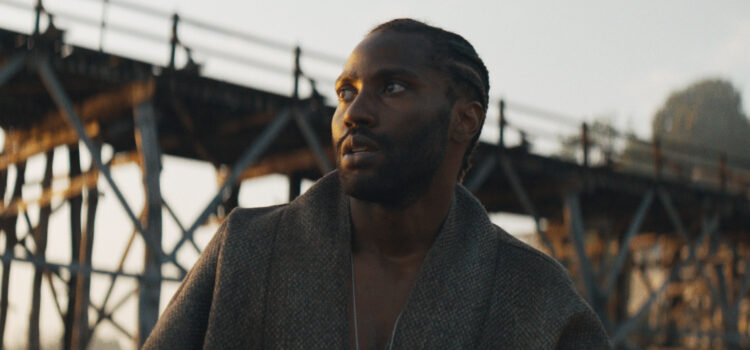
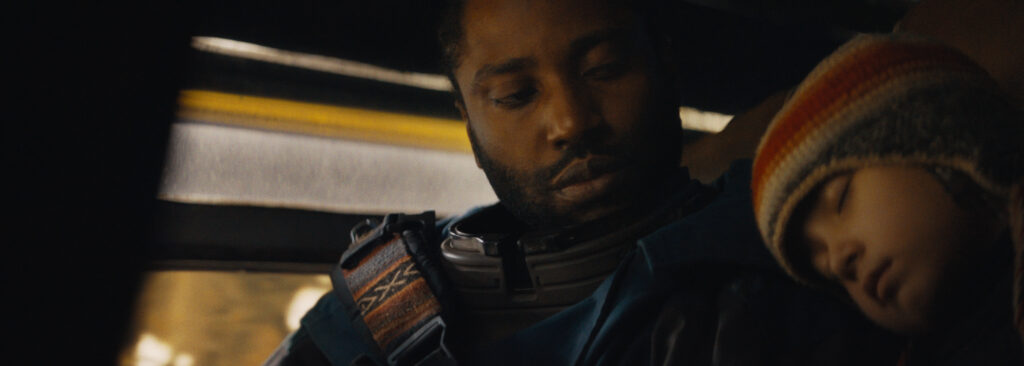
We meet our protagonist, Joshua (John David Washington), who lost an arm and a leg in the blast, a decade later, as he works undercover as a military operative seeking to hunt down the “Nirmata,” an inventor who’s supposedly built something that will win the war for AI. Joshua is married to a pregnant robotics whiz named Maya (Gemma Chan), who’s lived among Simulants her whole life and will hopefully lead Joshua and his team to victory, without knowing his true intentions. After a raid goes badly, Maya is supposedly killed and Joshua is injured again – Nirmata is still out there.
Five years later, Joshua (depressed and retired from the special-forces) is pulled back into the fray, after the severe Colonel Howell (an unhinged Allison Janney) shows him recorded footage proving that Maya is still alive, and that they’ve located Nirmata’s creation. Thus, Joshua and his posse travel behind enemy lines, and chaos ensues, with Joshua eventually locating the earth-shattering invention: a childlike simulant (Madeleine Yuna Voyles), who he dubs Alphie. Alphie has the power to shut down any technology with her mind, and her powers grow as she grows.
Will Joshua bond with Alphie or kill her? Will he learn the error of his ways and learn to accept the Other? Who are really the “heroes” of this story? They sure as hell aren’t Americans, or humankind in general. Could this film be any more blunt in its social commentary?
For all its visual magistery, “The Creator” ultimately has little of substance to say about imperialism, acceptance, and the existential threat of AI. Cobbling together elements of “Apocalypse Now,” “Blade Runner,” “Avatar,” and “District 9,” among others, Edwards’ film lumbers down a predictable path beset by insensitivity and uneven pacing. The tactility of the world-building and visceral action sequences can’t make up for the fact that, at best, “The Creator” remains a simplistically watchable sci-fi war film, and, at worst, a tone-deaf story in support of AI, where humankind is the enemy, capitalizing on real-world horrors to support its obvious messaging.
It’s a shame, because Edwards and co. truly make the most of their modest budget to present visuals going toe-to-toe with anything else released this year. From rice fields to ramshackle fishing villages, neon-drenched cityscapes, isolated beaches, and valleys surrounded by saw-toothed mountains, “The Creator” admirably grounds its futuristic technology onto a tangible, physical canvas. Much of the film was shot on-location across such places as Japan, Thailand, Indonesia, and Cambodia, and the resulting visuals, captured by cinematographer Greig Fraser with grimy, at-times documentary-esque ruggedness, have an extra layer of authenticity that further lessens the divide between the film’s alternate reality and our own.
Additionally, action sequences unfold with weighty, removed coldness. They’re often unpleasant in terms of the sheer number of casualties (human or otherwise), and don’t shy away from showcasing the might of the American military’s weapons on vulnerable targets, or the AI soldiers’ viciousnesses in return – even more effective when Hans Zimmer’s blaring score fades away entirely from the background.
The tech on display in “The Creator” largely seems within the realm of possibility with the way our current “advancements” are trending. Elements such as the aforementioned downloading-of-consciousness and robot soldiers are chilling, along with the fact that AI sentience doesn’t feel all that far off in real-life. It’s unlikely they’d all be as valiant and upstanding as “The Creator” depicts them, though.
More uncomfortable is the way Edwards and co. transpose iconography of the Vietnam War into this “futuristic” storyline. It feels problematic, to say the least, that this new “race” of beings largely stands-in for Asian characters, calling to mind cultural memories of actual atrocities, made even less tactful by the fact that the vast majority of AI characters – Alphie included, despite Voyles’ best efforts – are one-note and emblematic of the film’s unambiguous approach to storytelling; their literal inhumanity is sometimes the target of disturbing cruelty.
Indeed, perhaps the heavy-handed messaging and seen-it-before plot developments would be more excusable if “The Creator” had characters worth caring about. Washington, to his credit, tries his darndest to make us connect to Joshua, but the film’s messy editing kneecaps him, giving viewers only sporadic moments to slow down and feel his pain, anguish, and renewed purpose. Frequent flashbacks to Joshua’s time with Maya break momentum, as does the film’s confused sense of space and time itself. A character could be at the base of a mountain one moment and at the top of it the next, contrasting heavily with the otherwise naturalistic approach to world-building. It’s understandable that Edwards wants to show viewers as many sights and sounds as possible, but we lose crucial in-between moments as a result, where the characters are able to develop beyond their familiar archetypes. Voyles brings warmth, levity, and impassioned attempts at inducing tears in her performance as Alphie, but there’s ultimately not much that separates her story from other “special child” narratives.
What we’re left with is a film that’s an at-times impressive spectacle undercut by a self-serious, even queasy refusal to break tradition. The big screen might be the best way to watch “The Creator,” but viewers should leave expectations of the next great sci-fi masterpiece at the door.
“The Creator” is a 2023 science-fiction action film co-written and directed by Gareth Edwards and starring John David Washington, Madeleine Yuna Voyles, Gemma Chan and Allison Janney. It is rated PG-13 for violence, some bloody images and strong language, and runs 2 hours, 13 minutes. It opened in theaters September 29. Alex’s Grade: C+
One person’s trash becomes another person’s treasure when a feisty lost soul rescues a beat-up acoustic guitar from a dumpster in modern-day Dublin. In yet another charmer from Irish writer-director John Carney, “Flora and Son” achieves harmony for its scruffy characters through the transformative power of music.
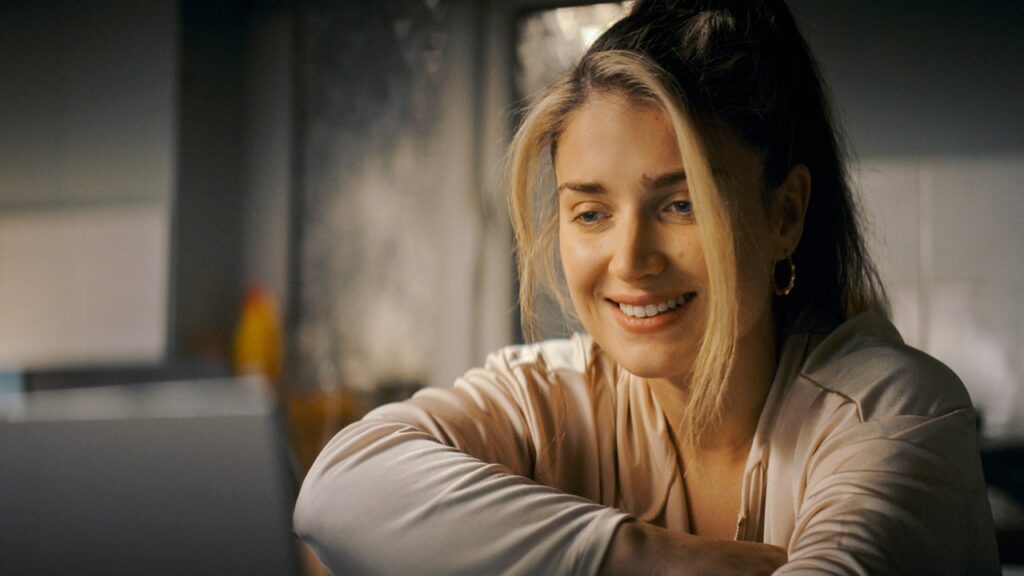
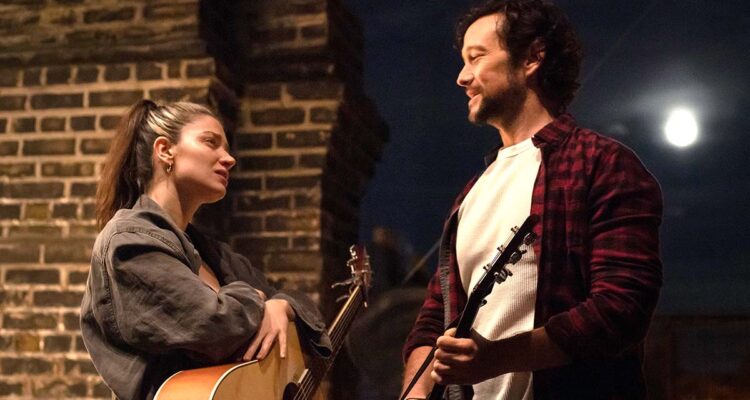
Flora (Eve Hewson), a single mom who is at war with her son, Max (Oren Kinlan), thinks the guitar would be a good hobby/diversion for him, as he close to being sent to a juvenile detention center. With the help of an L.A. musician/guitar teacher Jeff (Joseph Gordon-Levitt), she finds a path to self-discovery.
With its intentional aim to tug on our hearts and evoke honest laughter through ordinary people’s daily lives, Carney hits his target. It may not be as profound an example as his previous films, “Once,” “Begin Again” and “Sing Street,” but each well-drawn character finds purpose, changes subtly, and reinforces the magic of music as a universal language.
Carney’s affection for music to soothe our souls is vividly brought to life as Flora takes guitar lessons from Jeff, and in those Zoom calls, the connection they share through technology is palpable.
Joseph Gordon-Levitt as Jeff
Both the appealing Joseph Gordon-Levitt, himself a musician, and charismatic Eve Hewson, an actress known for “Bad Sisters” and “The Knick,” have pleasant enough untrained voices, singing from the heart. This is not a grandiose moment like Lady Gaga singing in “A Star is Born” – this is a quieter, more realistic portrayal. They are not destined for greatness, but to them, music is the gift that keeps on giving.
Oren Kinlan is also convincing as the sullen teenager whose interests lie in dubstep and hip-hop. He and his mother are perpetually scowling at the world, so their collaborations make them a bit more tolerant of each other, achieving some well-needed bonding.
Both their relationships with Max’s unreliable father Ian are complicated. A grown-up kid himself, Ian’s claim to fame is that he was in a band good enough to once open for Snow Patrol, an Irish-Scottish indie rock band who had mainstream success in the early 2000s.
Jack Reynor, who gained attention as the rock-loving older brother Brendan in Carney’s 2016 “Sing Street,” is effective here as someone who needs to figure out his life.
Hewson, whose father is U2 frontman Bono, heretofore hasn’t performed music, but has been working steadily in films and television for a decade. She was Tom Hanks’ daughter in “Bridge of Spies” and James Gandolfini’s daughter in “Enough Said,” among others. But this is her moment to shine.
Eve Hewson as Flora
Being able to show range with this gift of a character, she is a revelation as the tart-tongued, blunt Flora, who is definitely not a candidate for Mother of the Year nor is she striving to be. She’s utterly engaging as an immature woman dealing with life’s setbacks in a more self-destructive way, desperately in need of some direction.
The song the quartet perform together, “High Life,” written by Flora and her son about motherhood, is a catchy earworm that will remain in your head after the movie’s over. It’s the song, written by the writer-director and Gary Clark, a Scottish music producer, that is being submitted to the Oscars for Best Song awards consideration. Carney and Clark wrote the original tunes for the soundtrack.
(Carney’s films have a decent track record in this category – “Falling Slowly,” written by Glen Hansard and Marketa Irglova, the stars of “Once,” won Best Song in 2007, and “Lost Stars,” sung by Adam Levine in “Begin Again,” was nominated in 2014.)
You’ll want to listen during the credits to Gordon-Levitt’s character Jeff’s song he wrote about Flora.
The movie is set in the Dublin neighborhoods that tourists may not see, and the dialogue is salty.. A word of warning: the Irish dialect is sometimes difficult to decipher, so close captioning is advised for streaming.
Shown at the Sundance Film Festival in January, “Flora and Son” was enthusiastically received and has been tagged a crowd-pleaser ever since.
This affecting tale runs 1 hour, 34 minutes, and is designed to make you smile. It’s delightful to experience with others, who understand the joy that music sparks, and it has enough humorous moments that people responded to its heartfelt message.
“Flora and Son” is a 2023 comedy-drama written and directed by John Carney and starring Eve Hewson, Joseph Gordon-Levitt, Oren Kinlan and Jack Reynor. It is rated R for language throughout, sexual references and brief drug use, and runs 1 hour, 34 minutes. It opens in select theaters and is streaming on Apple TV+ Sept. 29. Lynn’s Grade: B+
By Lynn Venhaus Describing himself as “the ultimate middle child,” nationally touring comedian Rafe Williams, who now lives in St. Louis, will step out of the studio to headline three nights at The Funny Bone in Westport Plaza this week, Sept. 28-30. He can be seen on a new comedy special launching on You Tube Sept. 27.
The comedy club’s Westport location has shows set for Thursday at 7:30 p.m., Friday at 7:30 p.m. and 9:30 p.m., and Saturday at 9:30 p.m. — the 7 p.m. show is sold out.
Originally from DuQuoin, Ill., where he said his first job was “Picking beans, raisin’ Hell, and bailin’ hay,” he is now part of The Rizzuto Show on The Point (105.7 FM),.the no. 1 morning radio program in St. Louis. He joined Ruzzuto, Moon Valjean, King Scott and Lern weekday mornings from 6 to 10 a.m. last year, They dish on pop culture, sports, current events and celebrities with their distinct viewpoints.
He has appeared on “Live from Zanies” for Circle TV on NBC’s Peacock as well as the breakout Youtube series “Stand Up on the Spot” with Jeremiah Watkins. His appearance on Netflix is a Joke Radio’s “Are You Still Listening” and his album “Young Grandpa” by 800 Pound Gorilla Records have been featured on multiple Sirius XM channels.
Among his festival invites: Netflix is a Joke Festival, High Plains Comedy Festival, Asheville Comedy Festival, the Del Close Marathon 21 in Los Angeles, Laughing Skull Comedy Festival, as well as headlining the 2021 Flyover Comedy Festival.
An accomplished sketch performer and improviser, he has performed several times on the popular Improv4Humans podcast with Matt Besser and was invited to perform in the Del Close Marathon in NYC and LA. He is also a guest host who can be heard regularly on the Slop City podcast.
He has toured with a diverse lineup of today’s top comics like Gary Gulman, Beth Stelling, Dan Soder, Kyle Kinane, and Chelcie Lynn (AKA Trailer Trash Tammy).
Rafe on tour. Website photo.
1. What is special about your latest project?
It is my debut comedy special and it is lining up nicely with a new foray into morning radio and launching of sister You Tube series.
2. Why did you choose your profession?
Making people laugh and giving a joyous reprieve from the slog of everyday life seemed as noble an endeavor as any. Also, I am an attention whore.
3. How would your friends describe you?
Extremely sweet and easy-going in nature and a brutal taskmaster somehow simultaneously.
4. How do you like to spend your spare time?
What SPARE time!???? I enjoy exploring National Parks and having adventures when I can.
5. What is your current obsession?
Bringing a Taco John’s to St. Louis and writing a movie about professional bull riding.
6. What would people be surprised to find out about you?
I posed for Playgirl.
7. Can you share one of your most defining moments in life?
7/11/11 – Gave up addictions and pulled head out of ass and got sober.
8. Who do you admire most?
Father, son and the holy ghost. Wait no, that ain’t me that’s Don McLean. Mark Twain. The original stand-up comic. Also Guy Clark and Townes Van Zandt.
9. What is at the top of your bucket list?
3-way tie between getting on Willie Nelson’s Tour bus, Sliding across the hood of the General Lee, climbing thru window and peeling out, and writing a Country Music Power Anthem to get played on radio.
10. What is your favorite thing to do in your hometown?
Drive around and find nostalgia, joy and forgiveness for a place I couldn’t wait to leave when I was a kid.
11. What’s next?
Hopefully touring and growing stand-up audience, having a blast on the radio, and building an audience that enjoys what I do.
12 Favorite jobs/roles/plays or work in your medium?
The “It’s Always Sunny In Philadelphia” model intrigues me — “Make cool stuff with your friends and let audience find you.”
13. Dream job or role? Plus-sized Scarecrow in “The Wizard of Oz”
14. Favorite quote/words to live by?
“The difference between the right word and the almost right word is like the difference between lightning and lightning bugs. – Mark Twain
“Sing like you don’t need the money, love like you’ll never get hurt.” – Guy Clark
“Treat life like a Harley, Lay your nuts up on the tank and ride.” – Very drunk guy I met in an alley one time
15. A song that makes you happy?: “You’re Love Keeps Lifting Me Higher” – Jackie Wilson
For more information, visit his website: https://www.rafewilliams.com/
Less smart and invigorating than it thinks it is, but containing strong performances and comedic zing, director Craig Gillespie’s “Dumb Money” eschews the nuance of its recent-history narrative in favor of amiable watchability.
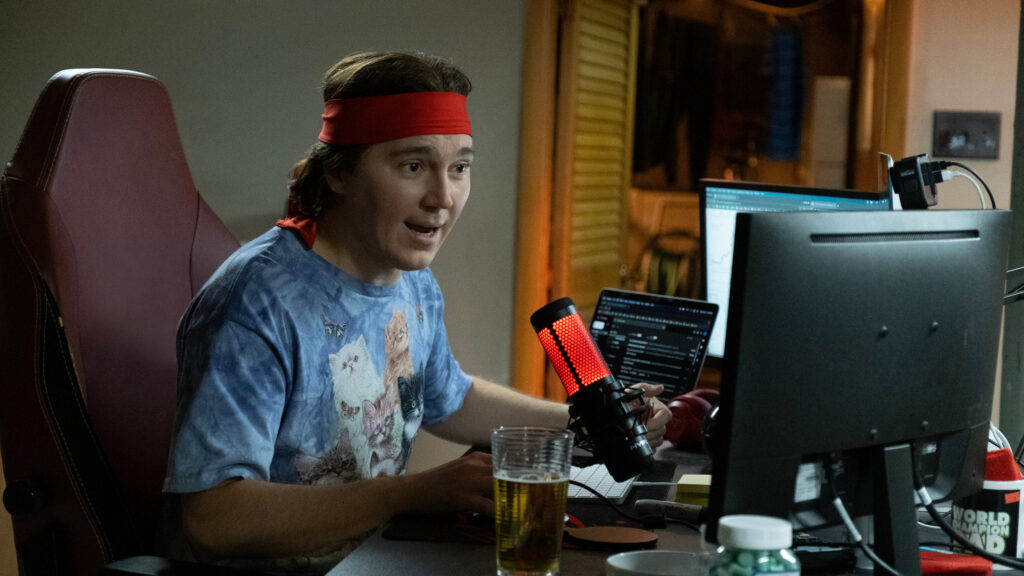
Gillespie’s film, based on “The Antisocial Network” by Ben Mezrich, dramatizes the tumultuous happenings of the Gamestop “short squeeze” of January 2021. A red headband-and- cat-shirt-wearing Redditor named Keith Gill (Paul Dano), a.k.a. DeepF*******Value on Reddit and Roaring Kitty on YouTube and Twitter, rallies an Internet army to fight back against The Rich and make it big.
After determining that the company is undervalued, Keith goes all in on GameStop — convincing his large swathe of followers on the subreddit r/wallstreetbets to buy GameStop stock and eventually make the price skyrocket to $500 a share.
The uber-wealthy hedge fund managers betting on GameStop’s failure — Gabe Plotkin (Seth Rogen), Steve Cohen (Vincent D’Onofrio, sometimes accompanied by a CGI pig), and Ken Griffin (Nick Offerman) — lose billions by underestimating the demographic they disparagingly refer to as “dumb money,” while still having some nefarious tricks up their sleeves that result in a Congressional investigation.
Paul Dano as Keith Gill, aka Roaring Kitty
Beginning at the peak of the squeeze, where Rogen’s Plotkin runs to make a phone call in sheer panic, the film jumps back and forth between five groups of characters showcasing various perspectives on the situation, each introduced with text indicating their net worth.
There’s Gill, whose genius (or luck) and expertise in online parlance helped start a movement — facing pressure to sell his skyrocketing stock from his loving wife, Caroline (Shailene Woodley, mining some pathos out of a fairly simplistic role), his amusingly deadbeat brother Kevin (Pete Davidson, in top form), and his somewhat clueless parents, Steve (Clancy Brown) and Elaine (Kate Burton) — while never quite knowing when to call it quits.
There’s the down-on-his-luck Gamestop employee Marcos Barcia (Anthony Ramos), who’s passionate about the company but contending with a condescending boss (Dane DeHaan). There’s the indebted University of Texas undergraduates Riri (Myha’la Herrold) and Harmony (Talia Ryder), who follow Roaring Kitty religiously and feel compelled to hold their shares as long as he does.
We also follow Jenny (America Ferrera), a stressed, underpaid nurse raising two toddlers and listening intently to Keith’s instructions. Last, and certainly least, there’s the hedge fund managers, caught with their pants down and scrambling to recover their losses, with Vlad Tenev (an underused but smarmily effective Sebastian Stan), the head of day-trading company Robinhood, playing a skeevy role in the whole kerfuffle.
With so many mini-narratives taking place under one umbrella, “Dumb Money” lacks the focus and thematic depth necessary to make any individual subplot hit with the force it could have. There’s nothing inherently wrong with a breezy interpretation of a true story, but it feels like Gillespie is only scratching the surface of the subject matter here — combined with filmmaking that lacks energy or pizazz, coasting on the appeal of its performers and snappy dialogue.
The whole cast delivers, doing what they can with characters of varying degrees of dimensionality. Dano is as reliably committed as always — weaving in and out of Keith’s various personas with ease; his confidence and quirkiness before his viewers reverting to awkwardness and defensiveness in front of his family. We never doubt the passion and devotion Keith has to his mission.
Davidson, once again definitely not playing against type, delivers the film’s most successful comedic lines. Lauren Schiker Blum and Rebecca Angelo’s screenplay mines dry comedy out of his laissez-faire approach to Kevin’s DoorDash job and his dumbfoundedness at Keith’s ever increasing ambition (and risk-taking) over not selling his stock.
Ramos, Herrold, and Ryder are fine, bringing energy to their characters, even though we don’t learn all that much about them besides their participation in the short squeeze, and Ferrera sells Jenny’s anxiousness and desperation, putting her livelihood on the line and leaving her social life behind.
Strength of the cast aside, though, one can’t help but feel like “Dumb Money” didn’t have to be an ensemble piece to begin with. What’s sacrificed by Gillespie’s approach is a deeper, more involving watch, where viewers fully understand the characters’ motivations rather than solely being told facts and being expected to buy into them.
Nick Offerman and Seth Rogen as hedge fund billionaires.
Viewers jump back and forth between the characters at various stages of the short squeeze, never spending enough time with them to fully appreciate their para-social bond with the man they’re risking their livelihoods over, relying on the heavy-handed screenplay to tell us how to feel in largely black-and-white clarity.
Marcus, Riri, Harmony, and Jenny never meet Keith in-person — distanced yet hanging by his every word — and Gillespie misses an opportunity to explore the allure, compulsion, and righteousness they each feel by following Keith’s lead, besides bluntly stating that they feel certain ways before viewers cut away to a different character.
The hedge fund managers, brought to life with entertainingly snooty performances, are fun to sneer at, but one-note. It doesn’t help that Gillespie’s direction lacks energy, failing to capture the dynamism of directors tackling similar subjects like Adam McKay did with “The Big Short.”
Indeed, no amount of memes flashing on screen, Cardi B music drops, or amusing lines of dialogue can ever fully make up for the fact that “Dumb Money” is simplistic and devoid of true insight into the rigged game of stocks or wealth inequality. At least this David vs. Goliath tale remains an agreeable watch despite all this.
The screenplay’s preference for comedy — not dwelling on the stress or darker aspects of the story too much before reverting to laughs — undersells the stakes to a certain extent, but shines in moments separated from the Internet, especially involving Keith’s family and characters navigating mask-use during COVID.
Additionally, it’s commendable that Gillespie makes all the stock-chatter mostly understandable and digestible. This approach, though — streamlining real-world events into accessible entertainment — applies to the film’s emotional element as well, rendering the attempts at both first-pumping and sobering moments all the more manufactured and lightweight, especially when the arguably more engaging epilogue is conveyed through on-screen text.
At the end of the day, however, watching smug grifters get their just desserts remains satisfying to watch unfold, no matter how shallow Gillespie and company frame it. “Dumb Money” is too slight to linger long in the mind, but as a crowd-pleasing underdog story, it rises enough to the occasion.
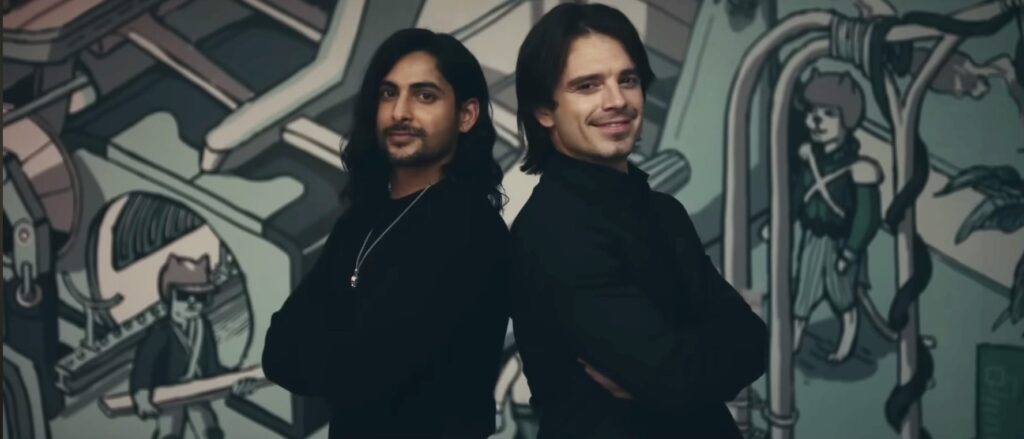
Rushi Kota and Sebastian Stan as the Robinhood investors
“Dumb Money” is a 2023 comedy directed by Craig Gillespie and stars Paul Dano, Seth Rogan, Nick Offerman, Pete Davidson, Shailene Woodley, America Ferrara, Vincent D’Onofrio, Sebastian Stan, and Anthony Ramos. It is rated R for pervasive language, sexual material, and drug use, and the run time is 1 hour, 45 minutes. It opens in theaters Sept. 22. Alex’s Grade: B-
Note: this review was written during the 2023 WGA and SAG-AFTRA strikes. Without the labor of the writers and actors currently on strike, the movie being covered here wouldn’t exist.